Most of us are in touch with more people than ever. Updates come in all day by text and email, and whole days can still go by without actually talking with the people doing the work.
The tools themselves aren’t the problem. They keep teams informed and help us stay in touch whether someone is across the building or across the country. What they can’t do is build trust or honest connections. As leaders, it’s on us to use these tools without letting them replace the relationships our teams depend on. People get behind a vision because they trust the leader sharing it, and most of this trust comes from real conversations.

Self-Assessment: Connection in a Digital Age
Please take a few moments to reflect on the following questions. Where can you identify opportunities for growth in your leadership?
Before I send a message, do I consider whether it should be a conversation instead?
When a report raises a question about someone, do I talk with them before drawing a conclusion?
When an email thread starts going in circles, do I pick up the phone?
Would the people I lead recognize my recent messages as sounding like me?
In my last few conversations, did the other person have my full attention?
When I want someone’s input, do I make it clear and give them an easy way to respond?
Do I ever rely on a summary of what’s happening on my team when I could find out firsthand?
Do I stay in regular contact with the people I lead, including those I rarely see in person?
This self-assessment is a starting point for understanding Connection in a Digital Age as a leader. Reflect on your responses, identify areas for growth, and use feedback from others and your ECFL Leadership Coach to guide your development.


Technology has made it easier to communicate quickly and stay in contact with more people, but frequent communication doesn’t always mean stronger relationships. Many of the everyday opportunities that once helped relationships develop naturally have been replaced by digital or automated interactions. Quick conversations in passing and the few minutes of small talk before a meeting or a shift don’t happen as easily on their own.
Messages leave out a lot of what we pick up from each other in person. Tone and body language may be missing, and we don’t always get the immediate reaction that helps us understand how an interaction is going. A change in someone’s voice or posture is often the first sign they’re frustrated, and these signals rarely come through in writing.
Speed and convenience change our conversations, too. When communication becomes mostly about exchanging information, we often ignore the personal side of the relationship.
Screens can get in the way even when we’re in the same room. When our attention keeps drifting to a phone or another screen, the person in front of us may feel like they’re competing for it.
“I don’t think anything replaces the face-to-face meetings and the personal connections that you get when you’re in the same room or same place with people.”
Advisor David Lancefield, writing in Harvard Business Review, describes a regional CEO who followed client meetings and employee feedback through AI-generated digests. The digests kept him current, but over time he felt less connected to the people behind them. A summary couldn’t capture a client’s hesitation before answering a sensitive question, or an employee’s tone of voice when making a comment after the meeting wrapped up. The CEO kept the digests, but added customer visits and one-on-one conversations back to his calendar, and in time felt more confident in his decisions again.
When did you last talk, in person or by phone, with someone you mostly hear from by text or email? What’s stopping you from talking with them directly?

Worries about technology crowding out human contact go back decades. In the late 1990s, a Carnegie Mellon team led by Robert Kraut followed 169 people in 73 households through their first one to two years online and found that heavier internet use was linked to small declines in social involvement and well-being. Follow-up research found the picture depended on the person: people with strong social support generally benefited from going online, while people with less support were more likely to come out worse. In other words, the relationships people already had shaped how the technology affected them.
Research on managers can shine light on what helps. In its State of the American Manager report, Gallup found that engagement is highest among employees who have some form of daily communication with their manager, whether it happens face-to-face or through a screen. Gallup also notes that quick transactions between managers and employees aren’t enough on their own to keep people engaged.
“This idea of shared humanity and the connections that we make with one another—that’s what, in fact, makes life worth living.”
Realistically, not every conversation can happen face-to-face, and plenty of leaders don’t have time for long check-ins. A few habits help a quick call or video conversation do more:
Say Why You’re Reaching Out: A message that only says “Call me when you can” can leave someone worried until you talk. A sentence about the reason lets them come in ready instead of braced for bad news.
Start with the Person: Ask how they’re doing before getting into the work, and wait for an honest answer. If they reply with a status update, ask one more question about them.
Make Up for Missing Cues: On a phone call you can’t see body language, and on video you only see part of it. Check in more directly than you would in person, such as asking how a decision sits with them.
Leave Room for Silence: People often need a moment to answer, and a pause on a call can feel longer than it is. Give them time before filling the space.
Close the Loop in Writing: After the conversation, a short message confirming what you agreed on keeps the details straight and shows you were listening.

Asking the Right Questions
A question that can be answered with a quick “yes” or “no” usually gets exactly that, especially over the phone or in a message. Open-ended questions give people room to tell us what’s going on, and small changes in wording go a long way:
Instead of “Any questions?” try “What questions do you have?”
Instead of “Is everything okay?” try “How are things going for you lately?”
Instead of “Did that make sense?” try “What part of this still feels unclear?”
Instead of “Do you need anything?” try “What’s getting in your way right now?”
Instead of “Are you on board with this?” try “What concerns do you have about this?”
Instead of “Is the new schedule working?” try “How is the new schedule working for your team?”
When someone gives a short answer, a simple follow-up such as “Tell me more about that” often brings out the rest.

Many of the habits below are quick, like pausing before you hit send or picking up the phone instead of sending another text. Here are some best practices for maintaining connection in a digital age:
Be Intentional with How You’re Communicating: Before sending something, consider the topic and the person receiving it, and decide whether a written message will work or whether the situation needs a live conversation. When a written request is the right choice, include enough context and a clear deadline so the person isn’t left guessing.
Use Data as a Starting Point: When a report or digital tool raises a question about someone’s performance or experience, talk with the person before drawing any conclusions. Use the information to guide the conversation instead of assuming it tells the whole story. When you rely on summaries, ask what they might be leaving out.
Know When to Switch Channels: If an email or message exchange becomes confusing or difficult to resolve, stop adding more messages. Move to a call or face-to-face conversation when talking in real time would help. Feedback and conflict often go better in a conversation, since tone is easy to misread in writing.
Personalize Digital Communication: Quick messages and standard updates save time, but the final message should still sound like it came from you and was meant for the person receiving it. Add enough personal context to make clear why you’re reaching out. Reading a drafted message aloud before sending it is a quick way to catch phrases you wouldn’t say in person.
Give the Person Your Attention: When you’re talking with someone, limit unnecessary digital distractions. Put down the phone or step away from the screen when you can so it doesn’t compete for your attention. If something urgent really can’t wait, say so, and come back to the conversation when you’re done.
Create an Opportunity to Respond: If you want someone’s perspective, make it clear. Ask a question or invite them to follow up so there’s room for an actual conversation. A simple “What am I missing?” signals that input is welcome. If you tell people they can reach you anytime, follow through and answer.
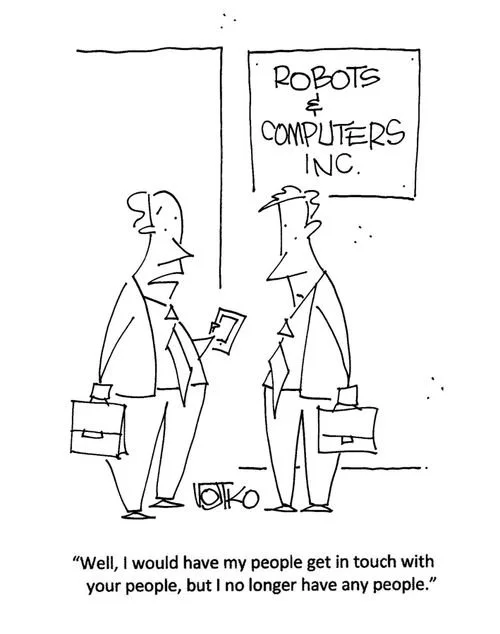
What keeps a team connected still comes down to people talking with each other, whether that’s a phone call when a text won’t cut it or a few minutes of undivided attention. When the people we lead know us and trust us, a short message or a rushed handoff doesn’t throw them off. And when we talk about where the team is headed, they actually listen.
This month, choose one person whose work you mostly see through reports or messages, such as someone on another shift or in another location. See them in person if you can, or set up a call with no agenda beyond catching up. Afterward, write down one thing they told you that you wouldn’t have known from their reports.

Strengthen your understanding of Connection in a Digital Age by sticking with the following resources. Use this opportunity to note new insights and adhere to practices that will enhance your leadership journey.
Don’t Let AI Reinforce Organizational Silos
AI accountability in action: Key takeaways for strengthening responsible AI governance