
From Confusion to Clarity
When priorities are unclear, work gets directed by whatever feels most urgent, and people spend more time reacting than moving with purpose. Clear priorities come from clear leadership. But before priorities can be clear to a team, the leader has to be clear on their own role: setting direction, naming what matters most, and protecting that focus even when new demands arrive.
Confusion over priorities usually isn’t because people aren’t trying. It happens when the team is working hard on different “top priorities” at the same time. Leaders reduce that confusion by naming what comes first, repeating it in the same language, and being explicit about what moves down the list when something new shows up.
When priorities are clear, decisions become easier to make, and accountability feels more fair because expectations were named before pressure and urgency took over. Over time, that builds trust because people know the focus won't change without explanation.


Self-Assessment: From Confusion to Clarity
Please take a few moments to contemplate the following self-reflection questions. Where can you identify opportunities for personal growth in your leadership?
When priorities compete, do I name what comes first, or do I let the team sort it out through trial and error?
Do people still ask, “What do you want me to work on first?” after I’ve communicated priorities?
When something new shows up, do I say what it replaces or pushes back, or do I stack it on top without resetting expectations?
Can people repeat our top priorities in simple terms, or do they only feel clear to me?
Have I seen capable people hesitate because they weren’t sure which priority or standard took precedence in that moment?
When I notice confusion, do I address it quickly, or do I assume it will resolve itself?
Do I protect the priorities I’ve named, or do I let the loudest issue take over the team’s focus?
If I asked someone on my team to list our top priorities right now, would their answer match mine?
Remember, this self-assessment is just a starting point for understanding your knowledge of From Confusion to Clarity as a leader. It's essential to reflect on your responses and actively work on areas where improvement is needed. Additionally, working with your ECFL Leadership Coach or seeking feedback from a trusted mentor can provide valuable insights into your strengths and weaknesses.
“Good things happen not by managing time but by prioritizing attention.”

Before priorities can be clear to others, the leader has to be clear on their role. Management focuses on organizing work, assigning tasks, and making sure commitments are met. Leadership carries a different responsibility: setting direction, naming what matters most, and making that focus clear enough that others can make good decisions on their own. Many roles require both, but priority-setting starts with leadership.
Leaders
Define what matters most and communicate it in terms people can act on
Set direction and maintain it when conditions change
Guide people through uncertainty by naming the focus rather than leaving it open to interpretation
Connect daily work to the direction already set so people understand why their tasks matter
Managers
Organize work, assign tasks, and make sure commitments are met
Keep performance consistent and results measurable
Solve immediate problems and remove obstacles
Reinforce standards and hold timelines
“Instead of saying “I don’t have time” try saying “it’s not a priority,” and see how that feels.”
Clear leadership is tested when priorities compete and attention pulls in multiple directions. Assigning work tells people what to do next. Direction tells them what to protect when something new shows up. A vision doesn't need to be complicated, but it should be clear enough that people can act on it without stopping to ask what comes first.
Clarity has to be maintained, not just established. It breaks down when leaders carry the full picture in their head but don't translate it into what the team should do first. When the day gets chaotic, step back and name what matters most, what can wait, and what changed. If it isn't obvious, ask a few people what they're working on and what they think should come first. Then make the call, explain the reason in plain terms, and repeat the priorities when necessary.


Priorities often become unclear gradually. New demands appear, existing work continues, and direction evolves without clearly stating what has changed.
When leaders introduce new focus areas without naming what moves down the list, teams are left to interpret the order for themselves. People also pay close attention to what receives urgency and follow-up. If attention shifts frequently, priorities start to feel unstable, even when the intention was reasonable.
The following scenario shows how this can unfold.
Recalibrating Priorities
Aperture Labs had built its reputation on precision and responsiveness, and the pace stayed high because expectations stayed high. Gladys, a department lead, was known for staying on top of issues and keeping work moving. When a new request came in, timelines were adjusted. When senior leadership changed focus, the update was passed along quickly.
Over time, the team started feeling uncertain, not because the work got harder, but because the priorities kept changing without enough explanation. One week the emphasis was process improvement, then attention moved to client responsiveness, then a cost initiative surfaced in the middle of a training rollout. Each change had a reasonable reason behind it, but the team didn't have a clear answer to a basic question: which priority carries the most weight right now?
Work continued, but hesitation increased. People asked for confirmation more often because choosing wrong had consequences. Some moved forward based on what they believed leadership cared about most, even when that conflicted with earlier direction. Meetings started spending more time sorting priorities than planning execution, and that uncertainty carried into day-to-day decisions.
The day before an important project was due, work came to a standstill. One team believed the priority was meeting the deadline because responsiveness had been emphasized repeatedly in recent meetings. Another team believed the priority was strengthening documentation and testing because quality had also been reinforced. Both teams were acting in good faith. The disagreement surfaced when the second team refused to release the work until additional checks were completed, even though that delay would push the deadline.
When Gladys joined the discussion, she realized neither team was ignoring direction. Each was following a different priority she had communicated over the past two weeks. She had spoken strongly about speed in one meeting and just as strongly about quality in another, but she had never clarified which one should take precedence if they collided.
Gladys stopped trying to settle the debate and did what she should have done earlier. She named the priority for that moment, explained why it came first, and stated what still had to be true before anything could be released. Then she put the next check-in on the calendar and wrote down what would be reviewed, so the team knew when quality would be revisited and what "ready to move forward" looked like at this stage. Piece of cake!
What did Gladys say or fail to say earlier that allowed two different priorities to compete without an order?
If priorities were clearly ranked on your team, how would decisions change when two of them conflict?

Confusion over priorities starts when new focus areas are added without saying what moves down the list. It also shows up when teams are left to decide which standard takes precedence in the moment. The practices below help leaders name priorities clearly, reinforce them consistently, and adjust direction without leaving people guessing.
Best Practices for Moving From Confusion to Clarity:
Choose Your Top 3 Priorities and Commit to Them: Don't hand people a long list of important tasks and expect them to focus. Pick three priorities that matter most right now and name them in plain language, with enough detail that people know where to put their time. Avoid broad labels that can be interpreted in different ways. Once the priorities are set, maintain them long enough for your team to make progress. Changing priorities too often creates uncertainty and makes it harder for people to stay committed.
Protect What’s Important: New work will always show up, and not all of it should replace the focus you already set. When something new comes in, decide whether it truly belongs at the top, and if it does, state what moves down the list so the team isn’t trying to hold everything at once. When the answer is no, say no or say not yet, and explain the decision briefly so the order of priorities remains clear.
Reinforce Priorities Consistently: Stating the focus one time is rarely enough, because attention moves quickly and people hear messages through the lens of their own workload. Keep priorities present in regular conversations, using consistent language so the team can recognize them and repeat them accurately, especially when new demands start competing for attention.
Make Priorities Visible, Not Just Verbal: Most people won't remember a spoken list once the day gets moving. Write priorities down and place them where the team will see them, whether that's a shared tracker, a whiteboard, or a posted note, because visibility supports consistency and makes accountability easier.
Explain Why When Priorities Shift: Change happens, and priorities should adjust when conditions change, but confidence drops when changes come without context. If a priority has to change, state what is being replaced or paused, explain why, and clarify what the team should do differently as a result.
Check That Everyone Understands: Do not assume everyone is on the same page because the message was shared once. Ask individuals what they believe the current priorities are and then listen to how they describe them. Differences in answers can show where direction needs to be reinforced.
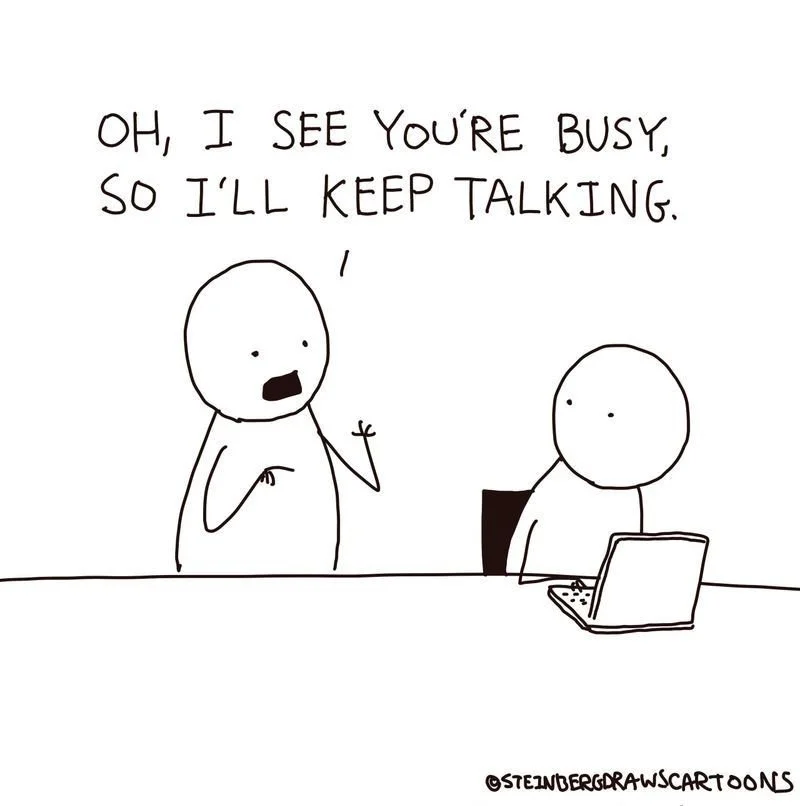
Vision means nothing if it never reaches the people doing the work. Clear priorities are how it gets there. Leaders who name what matters most, explain what changed and why, and protect the focus when new demands show up are the ones who turn direction into results. That is what separates a vision that gets talked about from one that actually drives daily decisions.
Reflection Questions:
Have I added new priorities recently without stating what was paused or moved down the list?
If I asked three people to name our current top three priorities, would their answers match?
Where do I need to be more deliberate in connecting our daily priorities to the larger vision I’ve set?

Strengthen your understanding of From Confusion to Clarity by sticking with the following resources. Use this opportunity to note new insights and adhere to practices that will enhance your leadership journey.
Why Clarity Is Critical To Effective Leadership
Why It's Possible for Leaders to Overcommunicate and Teams to Still Fail
