
Respect Through Transparency
Respect is essential in any organization, and in leadership roles, it carries significant weight. It strengthens morale, enhances decision-making, and builds credibility with your team. A workplace built on mutual respect operates more effectively, ensuring that everyone works toward common goals with integrity and professionalism.
Consider what it's like to lead your team through a challenging project. They rely on you to share pertinent information and explain your decisions. If you were to withhold details or sugarcoat difficult news, their trust in you is likely to falter. However, by choosing to communicate openly, even when sharing feels uncomfortable, you demonstrate genuine respect for their position and investment in the outcome.
Without transparency, respect can become performative, polite on the surface but nothing deeper than that. Transparency is what gives respect its substance, as your words and actions are what truly make the difference. This combination of transparency and respect gives people visibility into how you lead, which is what allows them to trust the decisions you make.

Self-Assessment: Respect Through Transparency
Please take a few moments to reflect on the following questions. Where can you identify opportunities for growth in your leadership?
How often do I explain the reasoning behind my decisions to my team?
Are my communication methods clear and accessible?
Do I acknowledge both successes and setbacks openly?
Am I honest with my team about the constraints I'm working within?
Do my actions consistently align with my words?
When I tell someone I'll follow up, do I close the loop even when I don't have an answer yet?
How do I respond when someone questions a decision I've made?
Do I apply the same standards to myself that I expect from my team?
This self-assessment is a starting point for understanding Transparency and Respect as a leader. Reflect on your responses, identify areas for growth, and use feedback from others and your ECFL Leadership Coach to guide your development.


A leader can be consistently courteous and still leave their team without the information they need. Politeness costs very little, and it can coexist with withholding decisions, context, or bad news. But this can be respect in appearance, rather than in practice.
Transparency is what makes the difference. Explaining your reasoning, naming your constraints, and acknowledging what you don't yet know treats people as capable of handling real information. It asks more of you than courtesy does, and it's the version people recognize as genuine respect.
Transparency is also how you show respect to your team directly. When you treat people fairly, explain your decisions, listen to their concerns, and consistently follow through on commitments, you're communicating that their time and contributions have value. People who see this are more willing to tell you when something is going wrong.
Self-respect matters here, as well. When you respect yourself enough to set boundaries and hold yourself to the same standards you expect from others, you model the openness you're asking for. Leaders who compromise their own values, refuse to acknowledge feedback, or regularly overextend themselves eventually lose credibility, which costs the respect of their team.
“Don’t be afraid to show your vulnerability. Be transparent with your team, even when the truth may be unpopular or inconvenient.”
Being open about your reasoning, your constraints, and your own mistakes gives people visibility into how you work, so they can stop guessing at your intentions.
Here's what the difference might look like:
Announcing a decision and moving on, versus explaining what you weighed and why you landed where you did.
Telling someone their idea isn't feasible, versus telling them what constraint makes it so.
Asking for feedback, versus telling people what changed because of it.
Waiting until you have a plan to say anything, versus telling people what you know and when you'll know more.
Letting a decision get attributed to you when it came from above, versus saying where it actually came from.
Agreeing to a deadline you know isn't achievable, versus saying so while there's still room to adjust it.
Sitting on a mistake you made until someone notices, versus naming it yourself.


Research over the past several years has consistently shown that transparency and respect directly impact how employees experience work and how well teams perform. The connection between these practices and employee satisfaction, trust, and motivation is both measurable and significant.
Paychex Employer Transparency Study (2020): Surveying over 1,100 U.S. employees and nearly 200 managers, this study found that 84.2% of employees with very transparent employers were satisfied with their jobs, compared to just 54.4% when transparency was absent. The gap demonstrates how transparency directly influences whether people want to stay in their roles and contribute their best work.
SHRM Global Culture Report (2023): Drawing from 11,080 participants across 15 countries, this research revealed that when respectful interactions are high, employees are 11 times more likely to rate their workplace culture as good or excellent. The study found that 61% of employees globally describe their culture positively, with respectful treatment emerging as one of the most powerful predictors of how people view their organizations.
“Effective leaders need to build from a position of trust and respect. You need to trust and respect others and, in turn, work to earn theirs over time.”
Deloitte Global Human Capital Trends (2024): In a survey of 14,000 business and HR leaders across 95 countries, 86% said that greater organizational transparency leads to greater workforce trust. The research also noted an important nuance: transparency needs to be paired with both respect and a clear purpose. Simply sharing more information without context or consideration for how it affects people can actually undermine trust rather than build it.
PwC Global Workforce Survey (2025): This study found that workers who feel most aligned with leadership goals are 78% more motivated than those who report the least alignment. The research emphasized that alignment comes from understanding both what the organization is trying to achieve and why those goals matter. When leaders communicate goals transparently and help employees see how their work connects to those objectives, motivation increases significantly.
The research is clear: transparency and respect are much more than abstract ideals. Together, they produce concrete results in employee satisfaction, cultural perception, trust, and motivation. Organizations that prioritize these practices create environments where people understand what's expected and trust the leadership setting those expectations.
Are you creating the conditions where your team feels both informed and valued?

Transparency and respect reinforce each other in ways that strengthen visibility across your organization. Here are some best practices for building respect through transparent leadership:
Explain the Reasoning Behind Your Decisions: Sharing the “what” and the “why” gives people greater visibility into how decisions are made and helps them understand the purpose behind what they’re being asked to do.
Be Transparent About Constraints: Be honest about what is possible and what isn’t. Sharing relevant limits around time, policy, resources, or authority helps people understand what leadership is working within instead of leaving them to guess.
Close the Loop: If you promise to check on something or provide an answer, follow up. Even when there isn’t a resolution yet, an update keeps people informed and shows that what they raised hasn’t disappeared.
Respond Without Defensiveness: Questions, concerns, and disagreement can give you information you may not otherwise hear. Listen before defending your position, and be willing to explain your thinking or acknowledge when something needs another look.
Be Fair and Consistent: Apply expectations and decisions in ways people can understand. When people can see that similar situations are handled by the same standards, they have less reason to question whether decisions are arbitrary or unfair.
Give People What They Need to Own Their Work: Share the information, expectations, and boundaries people need to make decisions within their responsibilities. Greater visibility into what they’re responsible for and why gives them more room to act without waiting for direction.
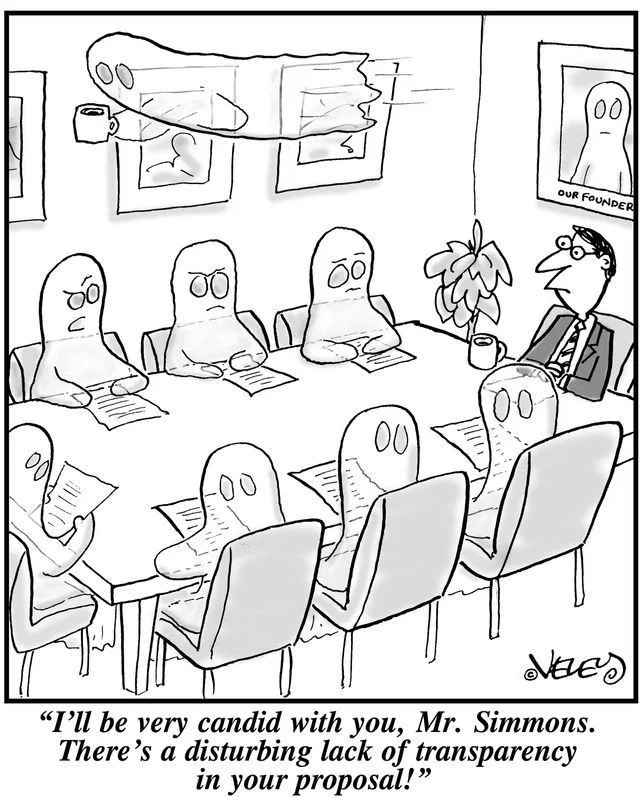
Building respect through transparency takes time. You can't shortcut your way to earning trust or creating a culture where people feel safe being honest about challenges. The investment pays off in teams that solve problems faster, communicate more effectively, and take ownership without being prompted. Leaders who commit to this approach find that people do the work because they understand what needs to be done and why it matters.
How can you challenge yourself this week to be more transparent with your team as a sign of respect?

Strengthen your understanding of Respect Through Transparency by sticking with the following resources. Use this opportunity to note new insights and adhere to practices that will enhance your leadership journey.
Transparency Is Great, But There's Still One Thing You Should Never Discuss With Employees
