
Respect comes first. A person usually won’t feel understood by someone who clearly doesn’t respect them, and empathy gets a lot harder when we’ve already decided that someone else’s way of thinking, working, or living makes less sense than our own.
People want to feel valued and validated. We can’t do that if we don’t respect them, and we can’t respect them well without making some real effort to understand them. Employees do not all communicate the same way, work the same way, or respond to the same things, and good leaders take that seriously instead of expecting everyone to fit one standard.
That is where respecting differences begins.

Self-Assessment: Respecting Differences
Please take a few moments to contemplate the following self-reflection questions. Where can you identify opportunities for personal growth in your leadership?
Do I take people seriously when their way of thinking or working is different from mine?
Am I quick to assume something is wrong when it simply feels unfamiliar?
When someone communicates differently than I do, do I try to understand it before I judge it?
Do I make room for different needs, work styles, or communication styles without treating them like a problem?
Am I careful about the labels or assumptions I place on other people?
When I disagree with someone, can I still respond with respect?
Do people with different backgrounds or personalities feel equally valued around me?
Do my words and responses show that I respect differences, even when I do not fully relate to them?
Remember, this self-assessment is just a starting point for understanding your knowledge of Respecting Differences as a leader. It's essential to reflect on your responses and actively work on areas where improvement is needed. Additionally, working with your ECFL Leadership Coach or seeking feedback from a trusted mentor can provide valuable insights into your strengths and weaknesses.
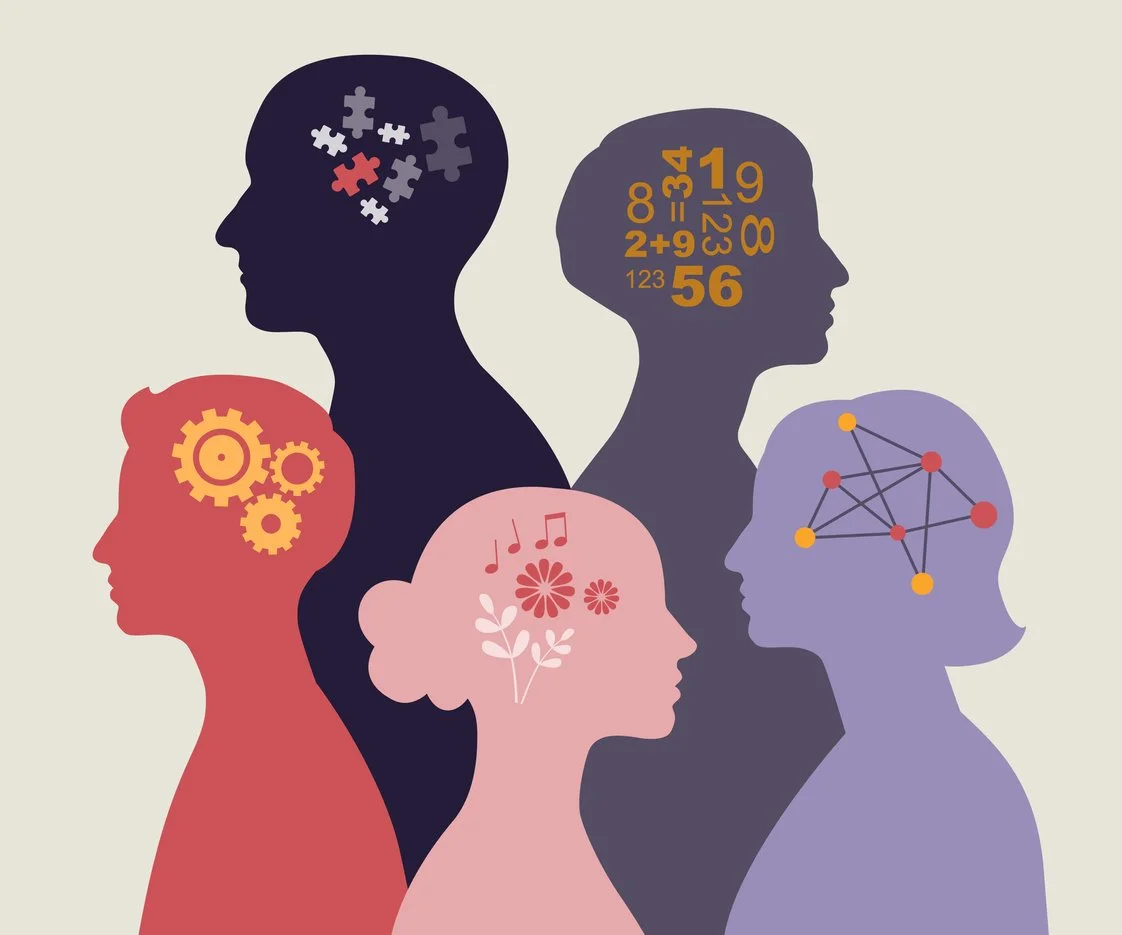

Respecting differences starts with recognizing that people do not all think, communicate, or move through the world in the same way. Background, culture, race, generation, neurotype, personality, and life experience all shape how people understand situations and respond to them. When something feels unfamiliar, the easiest mistake is to treat it like a problem instead of a difference.
That is where empathy becomes especially important. Respecting someone doesn’t require a personal understanding. We may not always understand why someone works a certain way, keeps a certain schedule, communicates more directly, or needs more time to process before responding. Empathy asks us to slow down enough to respond with care instead of assumptions.
“It is not our differences that divide us. It is our inability to recognize, accept, and celebrate those differences.”
One helpful way to understand that is through the different forms empathy can take:
Cognitive Empathy helps us understand how another person may be seeing the situation, even when we wouldn’t see it the same way ourselves.
Example: A leader notices that one employee asks a lot of follow-up questions before starting a task. Instead of assuming the employee is being difficult, the leader recognizes that the employee may be trying to fully understand expectations before moving forward.
Emotional Empathy helps us recognize what someone may be feeling, which can keep us from dismissing their reaction too quickly.
Example: A team member reacts more strongly than expected to a schedule change. Emotional empathy helps the leader recognize that the frustration may be connected to stress, exhaustion, or responsibilities outside of work that weren’t obvious at first.
Compassionate Empathy helps us respond with care once we understand enough to know that the care is needed.
Example: An employee shares that they are struggling to focus after a difficult week at home. A leader responding with compassionate empathy may adjust a deadline, offer flexibility, or simply give the employee space to regroup without making them feel punished for being honest.
Each of these types of empathy helps us to understand people better and respond with more respect. A person may think differently, communicate differently, or need something different from what feels natural to us. Taking that seriously is part of respecting others.

Research helps explain why people are often misunderstood. Current guidance on inclusive communication, cultural understanding, and neurodiversity shows that people don’t all receive messages the same way, process information the same way, or respond to expectations the same way. That gives us a clearer foundation for understanding what respecting differences looks like in practice.
Inclusive Communication
Recent CDC guidance on inclusive communication reinforces the idea that people don’t all receive messages in the same way. Language, tone, context, and lived experience all affect how communication is understood. Leaders need to think about how their words will land, especially when the people hearing them may be coming from very different backgrounds.
Cultural Understanding
CDC guidance on cultural understanding supports a similar point. Culture affects how people communicate and what they consider respectful. A leader may not immediately understand why someone communicates a certain way or responds differently than expected, but respect requires enough awareness to avoid treating unfamiliar behavior like a problem.
Neurodiversity
Research on neurodiversity cited in the Harvard Business Review shows that in the workplace, communication differences are often judged against what most people consider standard. When that happens, a person’s way of processing or expressing themselves can be treated like a weakness when the real issue may be a mismatch in expectations. Respecting differences asks leaders to recognize that not everyone will communicate or work in the same way, and that differences don’t automatically indicate a deficiency.
“What we need to do is learn to respect and embrace our differences until our differences don’t make a difference in how we are treated.”
Differences in communication, routine, processing, or perspective can be easy to misread at first, especially when they don’t line up with what feels familiar to us. These ideas become easier to understand when we look at how they show up day to day. The examples below show what some of those differences might look like at work and how a leader can respond with more respect.
A quiet employee may need more time to process before responding. Silence doesn’t always mean disengagement. Respect can look like giving that person more time to answer or following up later if they need space to think first.
A direct employee may value clarity and efficiency. A blunt style can be easy to misread if someone else prefers a softer approach, but directness doesn’t always signal irritation or disrespect. Respect can look like listening for the content of the message and asking for clarification instead of assuming bad intent.
A neurodivergent employee may need clearer structure or more processing time. They may work best with written follow-up or fewer last-minute changes. Respect can look like giving clearer instructions and paying attention to what helps that person do strong work rather than expecting them to adapt to one default style.
A coworker from a different cultural background may have different norms around greetings, eye contact, authority, or what feels respectful in conversation. A response that feels natural to one person may feel unfamiliar to another. Respect can look like asking instead of assuming and staying open to the idea that courtesy, tone, or professionalism may not look exactly the same for everyone.
Generational differences can show up in communication preferences. Some employees may feel more comfortable with a face-to-face conversation or a phone call, while others may be more at ease with email, chat, or text. Respect can look like paying attention to those preferences and choosing the format that helps the message feel clear and considerate.

Here are some best practices that can help with respecting differences in the workplace.
Best Practices for Respecting Differences:
Make Space for All Approaches: People can think, communicate, organize, and contribute in different ways while still doing strong work. Making space for different approaches helps a team draw on more strengths and creates a workplace where people don’t have to conform to belong.
Find Common Ground: Even when people differ in perspective, background, priorities, or the way they approach the work, there is often still something they share. A shared goal, a shared concern, or a shared responsibility can give people a place to start, helping them stay connected and work as a team.
Avoid Labels and Assumptions: See people as individuals instead of sorting them into categories or reducing them to one trait. These stereotypes make it harder to understand people and easier to overlook what is actually true about them. When people feel respected for who they are and how they work, they bring their best.
Take Different Needs Seriously: People do not all need the same kind of support, structure, clarity, or time to do their work well. Empathy means paying attention to those needs and taking them seriously so people feel respected, included, and able to contribute fully.
Practice Respect Daily: Respect is built through ordinary moments. Our tone, whether we show patience and flexibility, how we respond, and how we trust others all shape whether others feel valued and taken seriously.

Respect is a necessary part of empathy, which also makes it essential to leadership. People are more willing to be honest and contribute when they feel like they are taken seriously, and unity comes more easily when people know they are respected. This week, choose one interaction where you can show that respect and pay attention to what changes when you do.

Strengthen your understanding of Respecting Differences by sticking with the following resources. Use this opportunity to note new insights and adhere to practices that will enhance your leadership journey.
Problem Solving is the Enemy of Empathy
The Art of Respecting Differences: Navigating Disagreement with Grace and Understanding