
Success Through Collaboration
Collaboration unites people around a common goal, but a goal alone isn't enough to make the work successful. Individuals also need to understand how their parts support the larger outcome and why their contributions matter. Teams work better together when individual roles and responsibilities are clear, and employees know what others are counting on them to deliver. Strong leaders define expectations from the beginning, including the goal and standard for success. Without these details, employees may focus only on their own responsibilities and miss how their work affects the bigger picture.
When people can see how their role connects to the outcome, they're more likely to stay engaged, communicate proactively, and hold themselves accountable. Success Through Collaboration is something leaders create intentionally, one expectation at a time.

Self-Assessment: Success Through Collaboration
Please take a few moments to contemplate the following self-reflection questions. Where can you identify opportunities for personal growth in your leadership?
Do I help define the common goal before the job begins?
Are ownership and responsibilities easy to understand in the projects I lead?
Do I explain expectations in a way others can act on?
When expectations change, do I share updates early enough for others to adjust?
Do I create regular opportunities to review progress and raise questions?
Am I willing to ask for help when another perspective could improve the outcome?
Do I model accountability by owning my decisions and commitments?
When collaboration breaks down, do I address the issue directly and constructively?
Remember, this self-assessment is just a starting point for understanding your knowledge of Success Through Collaboration as a leader. It's essential to reflect on your responses and actively work on areas where improvement is needed. Additionally, working with your ECFL Leadership Coach or seeking feedback from a trusted mentor can provide valuable insights into your strengths and weaknesses.

Successful collaboration creates the conditions for better problem-solving, shared learning, and clear communication. A team builds trust when expectations are clear, and people can count on each other to follow through.
These are some of the ways successful collaboration strengthens an organization:
Collaboration helps with problem-solving. When we encounter a roadblock, the answer isn’t to keep pushing alone. A different perspective or a quick conversation with the right person can open up options we didn’t see at first.
Collaboration helps people learn from one another. Collaboration gives us a chance to share what we know and learn how others think through the same goal. That shared learning builds better understanding and helps prevent the same issues from recurring.
Collaboration keeps groups from working in isolation. When information isn’t shared with everyone who needs it, decisions can be made with only part of the picture. Collaboration helps the right information reach the right people.
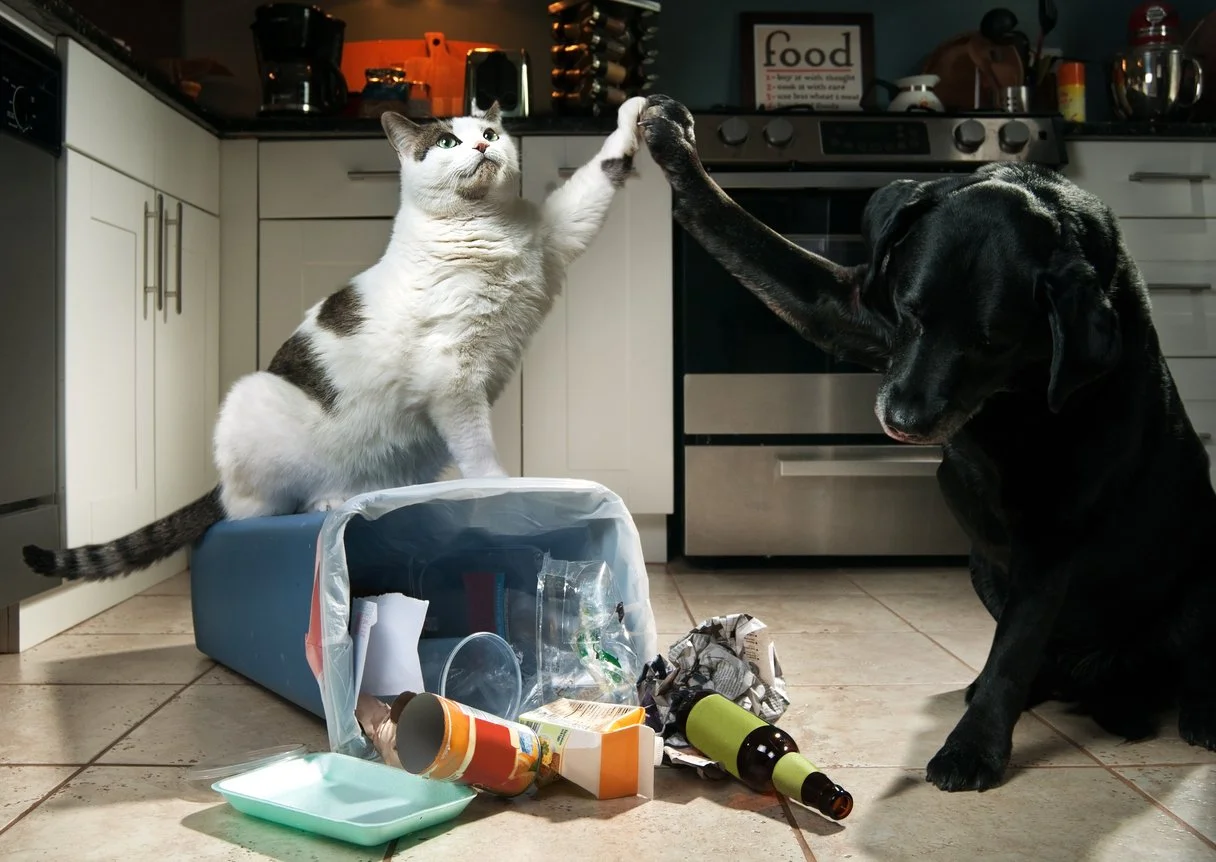
Collaboration improves communication. Through consistent collaboration, we get better at explaining our needs, asking useful questions, and reaching agreements as a group. Clear communication also helps expectations stay visible as priorities change.
Collaboration strengthens trust. Trust grows when we follow through on commitments and speak up when something needs attention. Consistent collaboration teaches others that they can count on us to share information, ask for help, and get our jobs done.
Collaboration supports shared responsibility. Understanding that success doesn’t belong to one person or one group means we pay closer attention to how our work affects others. This sense of shared ownership keeps everyone aligned and focused on the outcome.
“If everyone is moving forward together, then success takes care of itself.”

Mary Barra, the CEO of General Motors (GM), is widely recognized as a highly collaborative leader. Since becoming CEO in 2014, Barra has been instrumental in transforming GM’s culture and guiding the company toward a future centered on electric vehicles, sustainability, and technological innovation.
Here are the reasons why she is considered a great collaborator:
Creating a Culture of Transparency and Openness: Barra inherited a company facing significant challenges, including the fallout from a major ignition-switch recall. Instead of deflecting blame, Barra openly addressed these issues, helping create a culture where employees could report concerns. This transparency helped to build trust and encouraged collaboration across all levels of the company.
Breaking Down Silos: Barra advocates for cross-departmental collaboration, bringing together teams from engineering, marketing, and IT to foster a unified approach to product development and innovation. This collaborative environment has been essential in helping GM adapt to the rapidly changing automotive industry and remain competitive with both traditional automakers and tech-driven newcomers.
Partnering with Technology and Mobility Companies: Recognizing the importance of technology and new mobility solutions, Barra has formed strategic partnerships with companies outside the traditional automotive industry, including Honda, Lyft, and LG Chem. Her willingness to work with other companies, even competitors, has strengthened GM’s position as a leader in next-generation mobility.
Promoting Diversity and Inclusion: Barra has championed initiatives that promote gender and racial diversity, acknowledging that diverse teams bring a wider range of perspectives and stronger decision-making. Her focus on inclusion has created a collaborative environment where employees feel valued and empowered to contribute, driving innovation and boosting morale.
Empowering Her Team: Barra encourages employees to voice their ideas and actively contribute to GM’s vision for the future. Her emphasis on empowerment has helped to create a collaborative atmosphere where everyone feels they have a stake in the company’s success.
Focusing on a Shared Vision for the Future: Barra has united GM around a shared vision of “Zero Crashes, Zero Emissions, and Zero Congestion.” This ambitious goal has united employees and stakeholders under a common purpose, driving collaboration across the organization.
Mary Barra’s collaborative leadership style has transformed GM, making it more agile, forward-thinking, and inclusive. She is a powerful example of how a collaborative approach can transform a large, complex organization.
“If you believe that most people come to work every day and want to do a good job, then what’s getting in their way? Do we have an environment, a collaborative environment, and the tools that are necessary so they can do their best work?”

While the previous example demonstrates what successful collaboration looks like on a large scale, these same habits apply in the daily leadership choices we make. Clear expectations, early communication, and shared responsibility help teams work toward the same outcome with fewer misunderstandings. Here are some best practices for successful collaboration:
Best Practices for Success Through Collaboration:
Define What Success Looks Like: Collaboration only succeeds when everyone understands what they’re working toward. Good leaders clarify the outcome early so people know what excellence looks like before they begin. When the goal is clear, people can make better decisions with fewer questions and less oversight.
Set Clear Expectations for Yourself and Others: Successful collaboration depends on people knowing what they’re responsible for and what others are counting on them to deliver. Clear expectations define who owns what and when it needs to happen. When those details are understood, the group can act with more confidence and less confusion.
Make Space for Regular Group Check-ins: Collaboration doesn’t end once the work starts. Regular check-ins give the group time to share where things stand, raise questions, and follow up on shared commitments. These conversations help everyone stay on the same page as priorities change.
Communicate Updates: When something changes, the people affected by it need to know while there’s still time to adjust. Sharing important details as soon as possible prevents unnecessary confusion and helps the group make informed decisions.
Set Others Up to Succeed: When we finish our roles, the next person should be able to pick up without having to guess what’s missing or redo what’s already done. Doing your part well is part of being a good collaborator. Clear communication and complete follow-through show respect for the people who depend on your contribution.
Stay Connected Across Silos: Collaboration works best when people share what they know across teams and roles. When groups only compare notes at the end, they lose the chance to build on each other’s thinking. Staying connected helps the right information reach the right people so everyone can contribute.
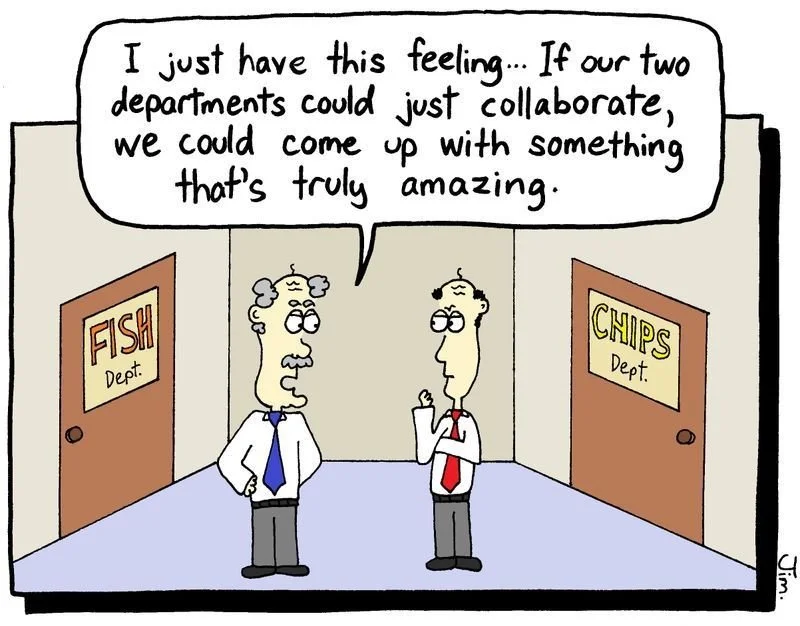
The best practices outlined here only work when leaders are willing to practice them personally. Clear expectations and consistent follow-through are habits leaders must model first. When people observe a leader who shares information freely and asks for help when needed, those behaviors become the standard for everyone around them. Small, daily choices reinforce the collaborative culture we're trying to build. This week, choose one shared goal and look at it through a collaboration lens. Clarify what success looks like, then ask your team what information or support would help them work together more effectively.

Strengthen your understanding of Success Through Collaboration by sticking with the following resources. Use this opportunity to note new insights and adhere to practices that will enhance your leadership journey.