Adaptability
Life rarely goes according to plan, and leadership is no exception. Circumstances can look different from one week to the next, sometimes in ways we couldn't have anticipated. That's why adaptability is such an important leadership skill.
Adaptability is the willingness and ability to stay flexible as circumstances change. This means revisiting what we're doing when it's no longer working and becoming more comfortable making adjustments as new information comes in. Some people adapt more naturally than others, but it's something we can strengthen with practice.
Self-Assessment:
Adaptability
Please take a few moments to reflect on the following questions. Where can you identify opportunities for growth in your leadership?
Am I open to changing my approach when circumstances change?
Do I stay informed about changes that could affect my priorities or responsibilities?
Can I adjust my plans when unexpected challenges or new information arise?
Do I seek input from people who may have information or experience I’m missing?
Am I willing to admit when my original approach is no longer working?
Can I keep moving forward when I don’t yet have complete certainty about the outcome?
Do I take time to understand what has changed before deciding how to respond?
Do I reflect on previous changes and use what I learned when similar situations come up again?
This self-assessment is a starting point for understanding Adaptability as a leader. Reflect on your responses, identify areas for growth, and use feedback from others and your ECFL Leadership Coach to guide your development.


Leadership calls on different aspects of adaptability. We may need to work through an unfamiliar problem or rely on others to help us see what we're missing.
At other times, adaptability may mean learning a new process quickly or adjusting how we lead when roles or expectations change. Understanding these different skills can help us better recognize our own adaptability and identify where we may need more practice.
A 2023 PLOS ONE study tested the C+MAC framework, a model that organizes the skills involved in adaptability into four areas:
Cognition: Making sense of information and working through problems. For example, a leader may need to sort through conflicting information before deciding what's actually causing an issue.
Motivation: Staying engaged and willing to keep going when change becomes difficult. This could mean continuing to work through a challenge when progress is slower than expected.
Action: Taking initiative and putting ideas into practice. For a leader, this may mean taking a reasonable next step when the full solution is still unclear.
Connection: Working effectively with other people and drawing on what they know. This may involve asking someone closer to the situation for their perspective when they have information we don't.
These areas provide a useful way to understand why we may find it easier to adapt in some situations than in others. One leader may take action quickly but be slower to loop others in when a problem calls for a different perspective. Another may be a sharp problem-solver but may lose steam when the first solution doesn't work. Looking at adaptability this way can help us recognize our strengths and where we're most likely to need coaching.
“A wise man adapts himself to circumstances, as water shapes itself to the vessel that contains it.”
The skills themselves are only part of the picture. Certain habits and reactions can make flexibility harder, even when we know how to adapt. A few common barriers are worth watching for:
Familiarity: We naturally return to approaches that have worked for us before because they feel comfortable and require less rethinking. Because reconsidering a familiar approach requires additional effort, a leader may continue using the same process even when current results suggest it is no longer effective.
Ego: Changing direction can feel personal when we came up with the original idea or felt strongly about the plan. A leader may hold onto an approach longer than necessary because changing course can feel like admitting they were wrong.
Pressure: Under a tight deadline, a leader may reach for the fastest known solution before considering whether it fits the current problem.
Need for Certainty: Some leaders hesitate to change course until they feel sure the new approach will work. But when circumstances are changing, we may never have all the information we want. Waiting for certainty can also cost us valuable time.
Once we understand where adaptability comes naturally and where we tend to struggle, we have a better idea of what we need to strengthen and when another perspective could help. Knowing when to ask for input is part of adapting well as a leader, too.
Read the following story
At Seuss Giftworks, Alexander Grinch had relied on the same production-planning process for years. Customer orders were reviewed at the beginning of each month, and each department planned from the schedule that followed. The process worked well because seasonal demand had always been predictable and last-minute changes were rare.
Then one of the company's personalized gifts appeared in a video that went viral. Orders for the product climbed quickly, and customers began requesting more variations and personalized options. Before long, the monthly schedule no longer reflected what was actually coming in.
Alexander had dealt with busy periods before, so his first response was familiar. He believed the increase would settle down and asked everyone to keep following the existing schedule while they worked through the extra orders. Cindy-Lou Who wasn't as sure. She had been watching the incoming requests and noticed that the viral video had changed more than the number of orders. Customers were also asking for different versions of the product, which affected what several departments needed to prepare.
Alexander and Cindy-Lou sat down together to look at the order information and compare it with the schedule they had created at the beginning of the month. Alexander understood what the existing process could handle, while Cindy-Lou brought information about the newer customer requests. They continued working through the problem even though they didn't have an immediate answer. A couple of ideas didn't pan out, but each attempt helped them narrow down what was getting in the way. Eventually, they realized the monthly planning process was still useful, but they needed a way to account for significant changes before the next month began.
They talked with the people involved and decided to add a midmonth review. During the review, they could look at changes in orders and determine whether the current schedule still fit what customers were requesting. They kept the monthly planning process in place and added another opportunity to respond when circumstances changed.
Working through the problem together gave Alexander a clearer picture of what had changed and gave Cindy-Lou a better understanding of the production considerations behind the original process. Their combined perspectives helped them make an adjustment that fit the situation.
Where do you see Cognition, Motivation, Action, and Connection in Alexander and Cindy-Lou's response? Which area of adaptability do you think was most important in helping them respond effectively, and why?
Which barrier do you see shaping Alexander's first response, and what helped him move past it?
“You can’t build an adaptable organization without adaptable people—and individuals change only when they have to, or when they want to.”
Cognition: Alexander and Cindy-Lou reviewed the order information and compared it with the monthly schedule to identify what had changed.
Motivation: They kept working through the problem even when their first ideas didn't pan out.
Action: They added a mid-month review so they could account for meaningful changes before the next monthly planning cycle.
Connection: Alexander and Cindy-Lou brought different perspectives to the problem and involved the people affected by the process.
Barrier: Alexander's first response shows familiarity. He initially relied on the process that had worked before. The newer order information and Cindy-Lou's perspective helped him recognize that the situation called for an adjustment.


Being adaptable gets easier with practice. These Best Practices give us practical ways to develop our flexibility and respond more effectively when circumstances are shifting:
Embrace Change: Recognize that change is a normal part of leadership. Pay attention to your first reaction, especially when you feel yourself resisting a change. Give yourself room to ask what the situation requires before falling back on what's familiar.
Stay Open to New Info: Pay attention to information that could change your understanding of the situation. If results start looking different than expected or new details change what you know, take another look at the assumptions behind your current approach.
Seek Relevant Input: Talk with people who are close to the situation and ask what they're seeing. Their perspective may reveal something you've missed or help you understand the issue from another angle.
Reflect Before Major Changes: Before making a significant change, identify what has changed and what you need the new approach to accomplish. Then decide whether you have enough information to act or need additional input first.
Communicate Changes Clearly: When an adjustment affects the people you lead, tell them what's changing and what they need to do differently. Give enough context for them to understand the change, then address questions that could affect their next steps.
Review and Learn: After an adjustment has had time to work, look at what happened. Identify what you would repeat and what you would handle differently next time, then use that lesson when a similar situation comes up again.
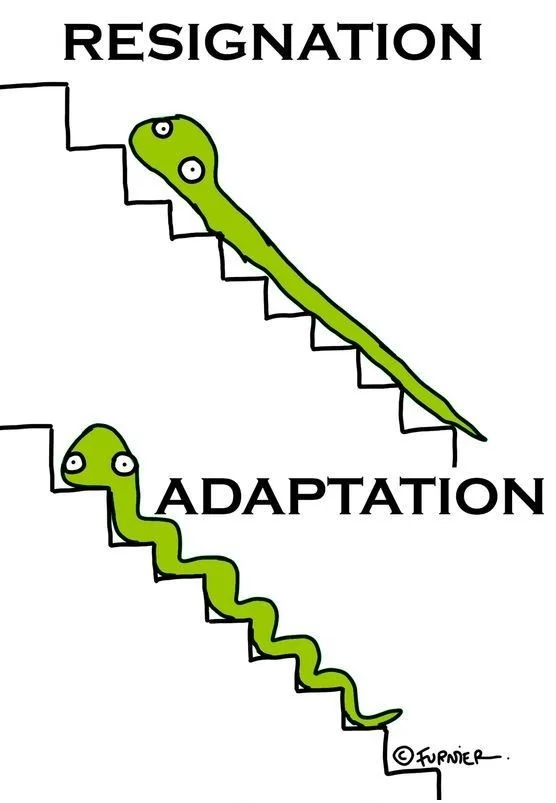
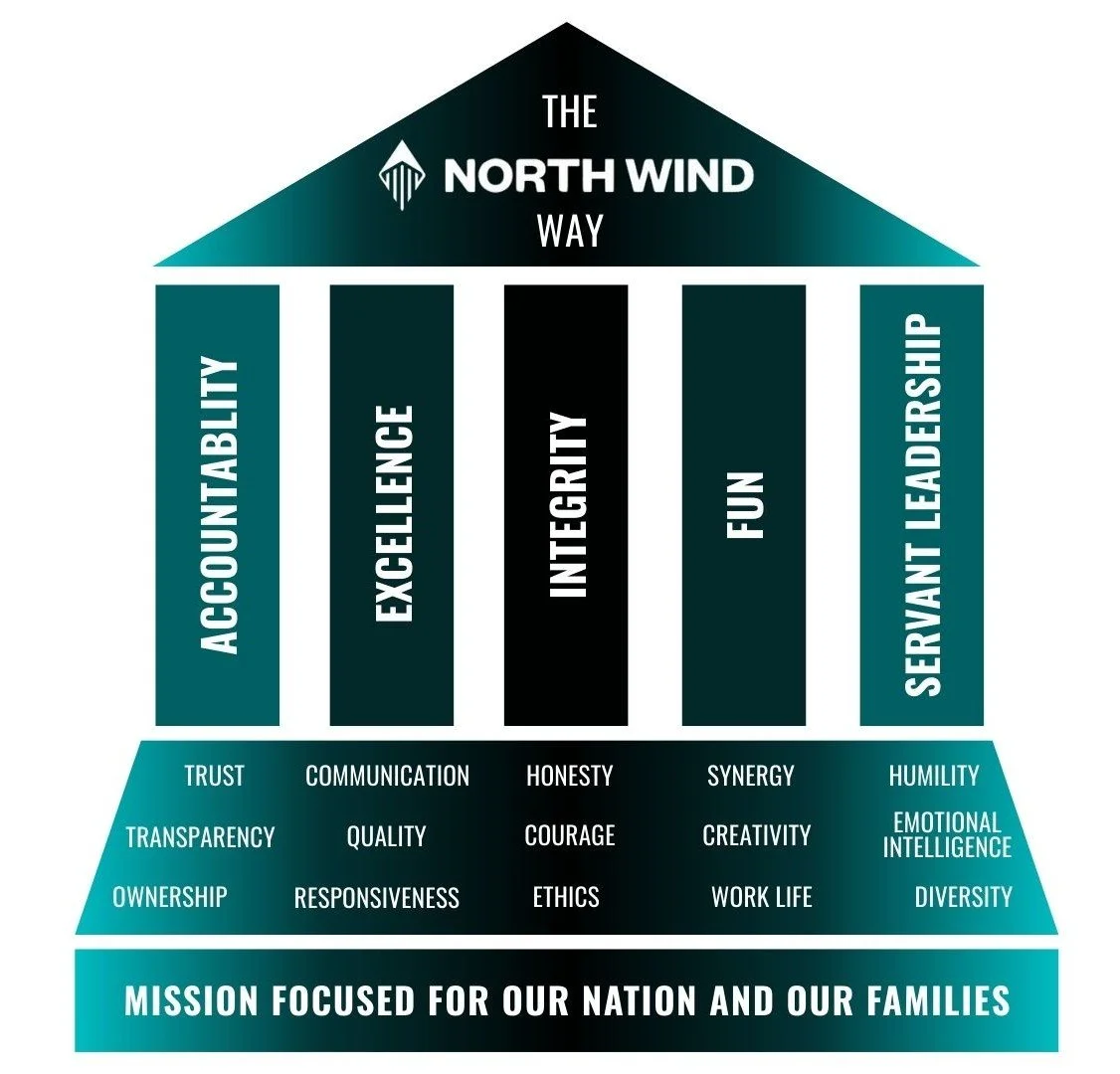
Adaptability is an integral part of Responsiveness. If we want to be leaders who practice Excellence, we need to be prepared to respond when circumstances change. Doing so often requires flexibility and a willingness to make decisions we did not anticipate. This week, take a closer look at your own leadership. Where are you too rigid in your approach, and which Best Practices could help you become more adaptable?

Elevate your understanding of Adaptability by taking flight with the following resources. Use this opportunity to navigate, uncover, and expand the horizons of your leadership influence.
3 Ways to Measure Your Adaptability Quotient (6:31)
Natalie Fratto