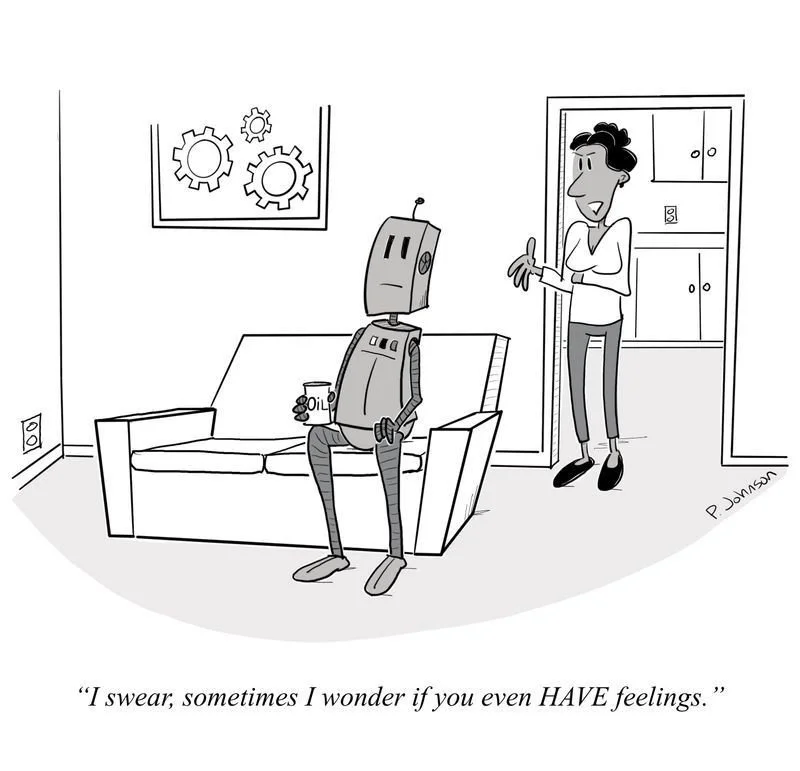
Module Ten: Emotional Intelligence

It is a mystery to me. It seems that as a person increases his or her responsibility or position in an organization, their ability or willingness to exercise EQ (emotional intelligence) decreases. The same is true in our personal lives. Many times, when we find ourselves in a position of power or leverage, we forget or refuse the importance of EQ in relationships. Toxic work environments are created because of a lack of EQ. Relationships that are struggling can almost always point to a failure by one or both parties to exercise strong EQ. I will admit that developing and demonstrating strong EQ is hard work. However, the data is clear, refusing to infuse EQ in your daily life will result in lower job and life satisfaction.
It’s really not a mystery. Choose to demonstrate EQ with those you lead and love and you will make a difference.
Larry Little
Eagle Center for Leadership
Emotional Intelligence (EQ) is the ability to recognize and manage emotions in yourself and others. Built through awareness, reflection, and practice, EQ helps leaders understand their own reactions, recognize how others may be feeling, and respond thoughtfully. That awareness helps leaders stay grounded in their decisions and more intentional in how they work with others.
Technical skill and strategic thinking are important, but it’s emotional intelligence that helps leaders stay connected to the human side of the role. Many of the problems we encounter aren’t due to a lack of knowledge. Instead, they begin when conflict is mishandled, working relationships are damaged, or leaders become too rigid to reflect. These issues can drain teams and weaken performance, especially when leaders ignore how others are affected by their choices.
“It is very important to understand that emotional intelligence is not the opposite of intelligence, it is not the triumph of heart over head — it is the unique intersection of both.”
EQ also plays an important role in Servant Leadership. Servant leaders work to support the growth, well-being, and success of others, and that requires more than good intentions. Recognizing how people feel helps leaders build trust, communicate with greater care, and create environments where people feel respected and valued. In this module, we'll explore the core components of Emotional Intelligence and how they can help us become more effective servant leaders. We'll also examine Empathy, a skill that helps us better understand and care for the people we lead. Let’s get started!