Module Thirteen: Ethics
True Colors
I was talking with an entrepreneur recently who was struggling with a business relationship. It seemed that she found herself working with a narcissist. He had the classic, “I’m more important than anyone and I will always win” attitude. She was trying to find a win/win solution for their business dealings. He was only interested in a win for him.
When we enter relationships with only winning in mind, we show our true colors. It takes courage and strength to demonstrate humility and a willingness to compromise for the greater good.
No one wants to be around someone who is self-centered and self-serving. Leading with authentic concern for others is a choice. It is a rare quality but one that yields a legacy of influence and integrity.
Choose to lead with genuine humility and care, and you will make a difference.
Larry Little
Eagle Center for Leadership
Ethical decisions can involve major, life-changing choices, but often they show up in our everyday decisions: whether we speak up when something doesn't seem right, admit a mistake, follow the same standards we expect from others, or question a decision that doesn't sit well with us. Sometimes the right choice is obvious, but other times pressure, uncertainty, loyalty to someone we trust, or even new technology can make it harder to know what it is. As leaders, we also have to remember that people across an organization take cues from what we do and what we treat as acceptable.
Ethics helps us think through what is right, what is wrong, and what responsibilities we have to others. Integrity is what happens when we act on those principles, even when it's difficult.
But for leaders, knowing these standards is only the beginning. We also have to stand by them when competing priorities or difficult circumstances complicate decisions, and our choices can affect the people around us. Ethical leadership puts those standards into practice through the decisions we make, the expectations we set, and the behavior we model. Over time, those choices can either strengthen or weaken the ethical culture around us.
“To be an ethical leader is indeed to be different. This kind of leader acknowledges the complexity of running a responsible business, yet tries to do it anyway.”
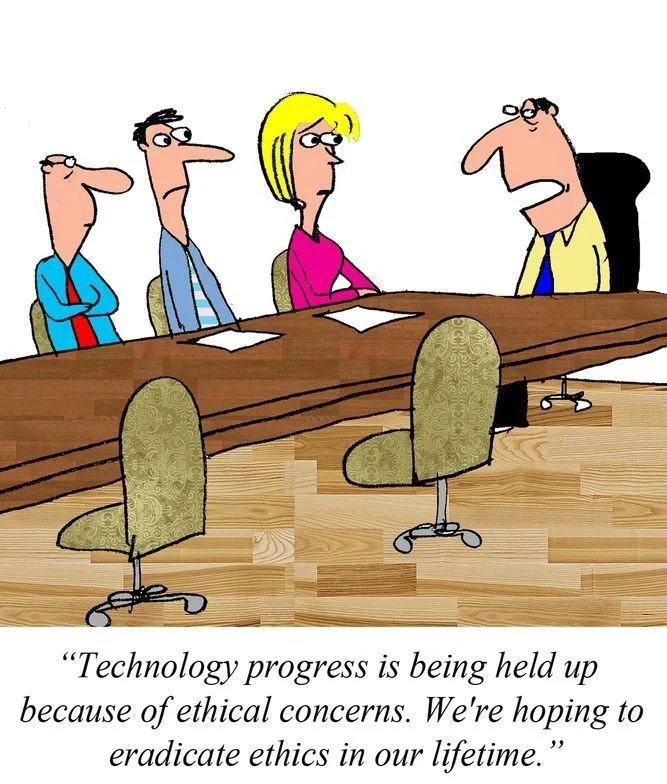
Leading ethically can become more difficult as circumstances change, and the three lessons in this module explore these issues. Integrity and Ethics looks at how leaders set and reinforce ethical standards through example and accountability. Integrity Under Pressure then tests these standards when urgency and loyalty complicate a decision, and it builds the habits that help us respond with clarity. Ethical Leadership in the AI Era applies the same standards to technology and AI tools, where discernment and accountability keep our judgment our own while we stay connected to the people we lead.
Let's get started!