Integrity Under Pressure
In leadership, knowing the right thing to do doesn't always make doing it easy. Unfortunately, urgency and external pressures can lead us into pitfalls that even the most well-intentioned leaders may not spot in advance. Time constraints limit how long we have to think, and other factors can make these choices more complicated than they first appear.
Ethical dilemmas don't always present a clear choice between right and wrong. Sometimes each choice feels equally important. Other times, the right choice may cost us something personally, even if it benefits others. Because we're human, our emotions and relationships can influence how we interpret what is happening.
Integrity under pressure is the ability to hold to our principles and think clearly while these pitfalls are at work, which means slowing down enough to understand the issue and recognize what may be affecting our judgment.
Self-Assessment:
Integrity Under Pressure
Please take a few moments to reflect on the following questions. Where can you identify opportunities for growth in your leadership?
Do I have an ethical framework to rely on when my integrity is tested?
In an ethical dilemma, do I separate what I know from what's uncertain?
Does loyalty to someone I trust ever keep me from raising an ethical concern?
Before a hard decision, do I question my assumptions and the excuses I give myself?
On decisions with major impact, do I ask someone else for their perspective?
Do I still give myself enough time to think an ethical decision through when I’m under pressure?
Do I check whether my personal interests are influencing my ethical judgment?
After a difficult ethical decision, do I review what I would do differently?
This self-assessment is a starting point for understanding Integrity Under Pressure as a leader. Reflect on your responses, identify areas for growth, and use feedback from others and your ECFL Leadership Coach to guide your development.


An ethical dilemma is a situation where important values or responsibilities conflict, and we're unsure of the correct next step. The pressures surrounding the decision can make it even harder to judge clearly. We may be working with incomplete or inaccurate information, balancing loyalty to someone we trust against another responsibility, or facing consequences we would rather avoid. Under time pressure, these competing concerns can become even harder to sort through.
Pressure also affects how the brain works. Neuroscientist Amy Arnsten's research shows that even mild, uncontrollable stress can rapidly weaken the prefrontal cortex, the region responsible for working memory and attention regulation, while strengthening more reactive brain systems. The clear thinking a difficult decision requires is exactly what pressure puts at risk.
“People of integrity and honesty not only practice what they preach, they are what they preach.”
An ethical framework gives us something established to rely on when pressure makes clear thinking harder. It's a set of principles and responsibilities decided in advance, so the standards are already in place when time is short and emotions run high. A framework clarifies the principles we intend to follow, and questioning tests the assumptions we're making about the situation in front of us, so the framework gives that questioning a standard to measure against.
Knowing a few concepts from behavioral ethics in advance strengthens any framework, and you may already recognize them from experience, even if you don't know the technical names:
Bounded Ethicality: Organizational pressures and the mind's predictable habits can combine to steer some who means well toward choices they might later regret. Most of us want to act ethically and also want the approval of those above us, so we may focus on meeting a supervisor's expectations while the ethical side of the decision goes unnoticed. We are all subject to these limits, which makes recognizing them a strength.
Rationalizations: The explanations we give ourselves for a questionable choice help us keep seeing ourselves as honest. Thoughts such as "no one is really hurt" or "it wasn't my call" can make the choice feel acceptable. Left unexamined, these explanations weaken our sense of responsibility, so noticing the ones we reach for is part of acting ethically.
Altruistic Cheating: Bending the rules feels easier to justify when someone else benefits, because we can tell ourselves the motive is generosity. In the 2019 Varsity Blues admissions scandal, federal prosecutors charged parents with paying an admissions consultant to bribe coaches and testing insiders so their children could get into selective universities. Loyalty to a team or a family can become a strong pressure to bend the rules in the same way.
Conflict of Interest: A conflict of interest exists when a choice that benefits us personally could work against a person or organization to whom we owe loyalty. Taking a gift from a vendor while deciding which vendor to hire is a clear example, and the conflict is often subtler, as when a leader's own bonus rides on the outcome of a decision. Naming our own stake before we decide can help keep it from deciding for us.
Ask yourself: Have I ever dealt with a situation like one of these examples? Did I let it affect my ethical decision-making?
The Ethics & Compliance Initiative (ECI) has tracked workplace conduct from employees' perspectives since 1994. ECI's 2023 Global Business Ethics Survey found that 87% of employees do not work in a strong ethical culture, and that 84% of employees who felt pressure to compromise standards also observed misconduct, which makes this kind of pressure worth paying attention to as a warning sign. In the United States, ECI found that employees in weak ethical cultures were four times more likely to feel this pressure than employees in strong ones.
The story below follows one leader through two difficult decisions made under similar pressure. Read it, and then reflect on the questions.
Double Billing Disaster
Quarter-end is two days away at Pearson Specter Litt, and Louis has slept very little since the partners announced that this quarter's results will affect the year-end bonuses, Louis's own included, as well as the vote on a long-awaited merger. Managing partner Jessica has made clear she expects clean numbers going into the vote.
Late Tuesday evening, Rachel, a senior associate and one of Louis's closest friends at the firm, brings him a possible problem: a long-standing client may have been billed twice for the same $48,000 in work. Rachel can't tell yet whether the second entry is a duplicate or a legitimate separate charge, since the records that would settle it sit with two attorneys who won't be reachable before the invoices go out in six hours.
Louis, exhausted and under a lot of pressure, tells Rachel to send the invoice as is and credit any error next quarter, reasoning that the client's finance team rarely checks the details and that a delay now would cost the whole team their bonuses. When Rachel hesitates, Louis tells her sharply that too many people are counting on these numbers, and insists she keep the matter between the two of them, so as not to cause a panic.
Three weeks later, the client's auditors confirm the second entry was a duplicate and begin questioning every line of the firm's previous invoices. Rachel tells Louis she was put in an impossible position, and the partners want to know why the error was left uncorrected.
Reflect on these questions:
Which behavioral ethics concepts show up in Louis's reasoning, and where?
What could Louis have done in those six hours to make room for a better decision?
“Integrity is the most valuable and respected quality of leadership. Always keep your word.”
Take Two
After the audit, Louis asks Donna, the firm's chief operating officer, to help him build a plan for next time. Together, the two of them write down four commitments to guide every decision that affects a client:
We say what we know and what we don't yet know.
No one is asked to keep a concern quiet.
Clients hear about our mistakes from us first.
Every high-impact decision gets a second set of eyes.
Louis also lists the assumptions behind his earlier choice: the client wouldn't notice, correcting the problem later would cause little harm, the team's bonuses justified sending the invoice before resolving the concern, and Rachel would go along. He pairs each one with a question to test it, such as what the firm would do if the client were watching.
The following quarter, Rachel comes to Louis right away with a mistake of her own: her team missed a filing deadline on a client matter, and she doesn't yet know whether the court will accept a late filing. The client needs an update within six hours, and the partners' annual review is two days away. Jessica has again made clear she expects a clean record going into the review.
Louis feels familiar pressure again, and this time the commitments are already on paper. Louis asks Rachel to lay out exactly what is known and unknown, tests his first instincts against the questions he wrote, takes the situation to Donna, and decides to call the client himself before the update is due. On the call, Louis explains what happened and what remains uncertain, and describes what the firm is doing about it.
The court later accepts the filing with a small penalty, though Jessica is not pleased that the issue came up right before the review. The client appreciates hearing about it from the firm first, and Rachel tells Louis the commitments made it easier to come forward and easier for him to respond.
Ask Yourself:
Which concepts from Louis's first attempt did the commitments guard against, and why did they work for a different mistake?
What commitments belong on your own list, and who could help you create it?
Scenario Dilemmas:
Bounded Ethicality: Jessica expects clean numbers going into the vote, which pulls Louis's attention toward meeting her expectation.
Rationalizations: "The client's finance team rarely checks the details," crediting any error next quarter, and "so as not to cause a panic."
Altruistic Cheating: "A delay now would cost the whole team their bonuses" and "too many people are counting on these numbers."
Conflict of Interest: The year-end bonuses, "Louis's own included."

The pitfalls above are hard to spot in the midst of a crisis, so it helps to have dependable habits in place before one happens. Louis's second decision carried many of the same pressures as his first, and the commitments he wrote down gave him a way to approach it with clarity.
These best practices can help us make ethical decisions with that same clarity when we're also under pressure:
Pinpoint the Ethical Issue: Spend time reflecting on what makes the situation an ethical concern. Clarify what is known and what remains uncertain, verifying critical information whenever possible. Look beyond the immediate problem to identify which values or responsibilities are in conflict and who will be affected. Putting the issue into clear words can help you see what's really at stake, so you can begin working toward a solution.
Set a Time Boundary: We don't make our best choices when we're tired. In a series of studies, people who had slept less were more likely to behave unethically, and mental fatigue helped explain the link. Decide in advance that you won't give a final answer on a high-impact decision while you're exhausted or rushed, and give yourself time to rest or step away first. In practice, this can look like telling a colleague, "I'll get back to you by morning," or taking a short break before responding to a sensitive email. If the decision can't wait, slow down wherever you can, even by a few minutes.
Question Your Reasoning: Because we're only human and make mistakes, make it a regular practice to question your thought process and identify whether biases, assumptions, or rationalizations may be influencing how you see the situation. Ask which assumptions about the people involved remain untested, and test each one where possible before relying on it. Challenging these influences can reduce their impact on your decision-making.
Define Your Ethical Framework: Decide in advance which principles and responsibilities will guide you, before a dilemma occurs. When you're under pressure or short on time, you can fall back on these standards. Writing them down and sharing them with someone you trust can make them easier to apply and to hold yourself accountable to.
Seek an Outside Perspective: Talk with an appropriate person who can offer another perspective or has relevant expertise or authority, especially when a decision could have a major impact or you're unsure of the most ethical choice. Depending on the situation, this might be a supervisor, trusted colleague, HR or compliance professional, or legal adviser. Be mindful of any confidentiality requirements when deciding whom to involve. Someone willing to play devil's advocate can test a decision before it's final. Inviting the right people to share their concerns openly adds viewpoints we may have missed.
Review, Learn, and Grow: The core principles behind our ethical framework should provide stability, but the way we apply them can improve with experience. After a difficult decision, review which assumptions held and which ones didn't, and add what you learn to the questions, processes, or guidelines you use the next time. A decision that goes poorly deserves the same honest review, since every attempt shows where your approach and assumptions need work.
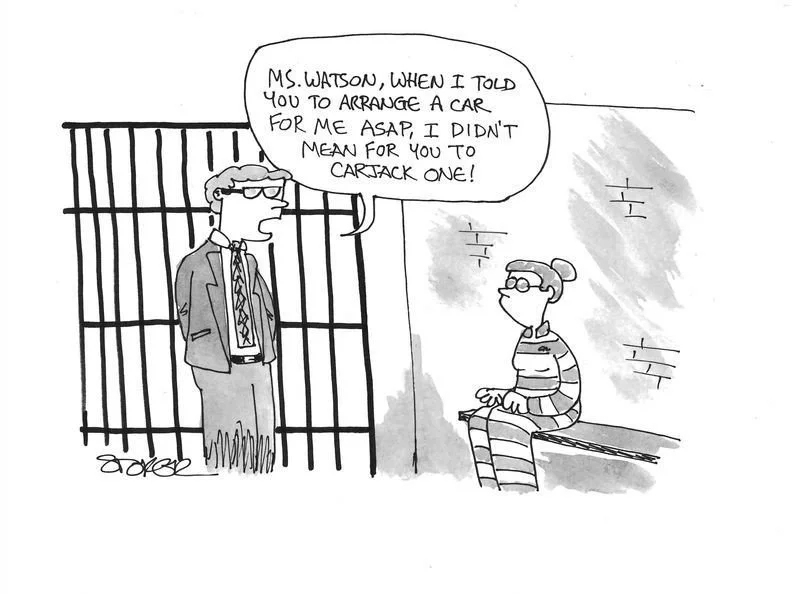
Integrity under pressure asks us to stay true to our ethical principles and responsibilities, even when pressure makes doing so difficult. Our teams learn how to handle pressure by watching how we handle it, which makes each hard decision a lesson for the people who follow us. Being a good leader for them starts with knowing what we stand for before it's ever put to the test.

Elevate your understanding of Integrity Under Pressure by taking flight with the following resources. Use this opportunity to navigate, uncover, and expand the horizons of your leadership influence.
Ethics Unwrapped, McCombs School of Business, The University of Texas at Austin
Staying Composed Under Pressure: How Leaders Set the Tone in Tough Situations