Leading with Transparency
Imagine you're a captain navigating a ship through stormy seas. The crew depends on you to communicate the ship's course, its condition, and the reasoning behind your decisions. Would they trust your leadership if you withheld critical information or concealed the truth? Or would they feel more confident if you were open, clear, and honest about the challenges ahead? Leadership works the same way. Transparency serves as your compass, helping to guide your team toward trust and accountability.
What does it look like to be transparent with our decision-making? It means openly sharing the reasoning behind our choices, being honest about both successes and failures, and making sure our actions are clear and match our words. Transparency is a vital leadership skill that builds trust, encourages accountability, and supports effective teamwork.
Why is this important? Transparency boosts accountability at every level. When leaders candidly share their thought processes and clarify their decisions, they lay the groundwork for a workplace where team members feel confident taking ownership of their roles and results. This clarity ensures everyone is held to the same standards, creating an environment built on trust and collaboration.

Self-Assessment:
Leading with Transparency
Please take a few moments to contemplate the following self-reflection questions. Where can you identify opportunities for personal growth in your leadership?
How often do I share the rationale behind my decisions with my team?
Are my communication methods clear and accessible for my team?
Do I openly acknowledge both successes and failures?
Have I set up channels for honest feedback and open dialogue?
Do my actions consistently align with my words?
How do I encourage team members to take ownership of their responsibilities?
Do I clearly define and communicate team roles and expectations?
When mistakes happen, do I address them constructively and create learning opportunities?
Remember, this self-assessment is just a starting point for understanding your knowledge of Leading with Transparency. It's essential to reflect on your responses and actively work on areas where improvement is needed. Additionally, seeking feedback from others and working with your ECFL Leadership Coach can provide valuable insights into your strengths and weaknesses.


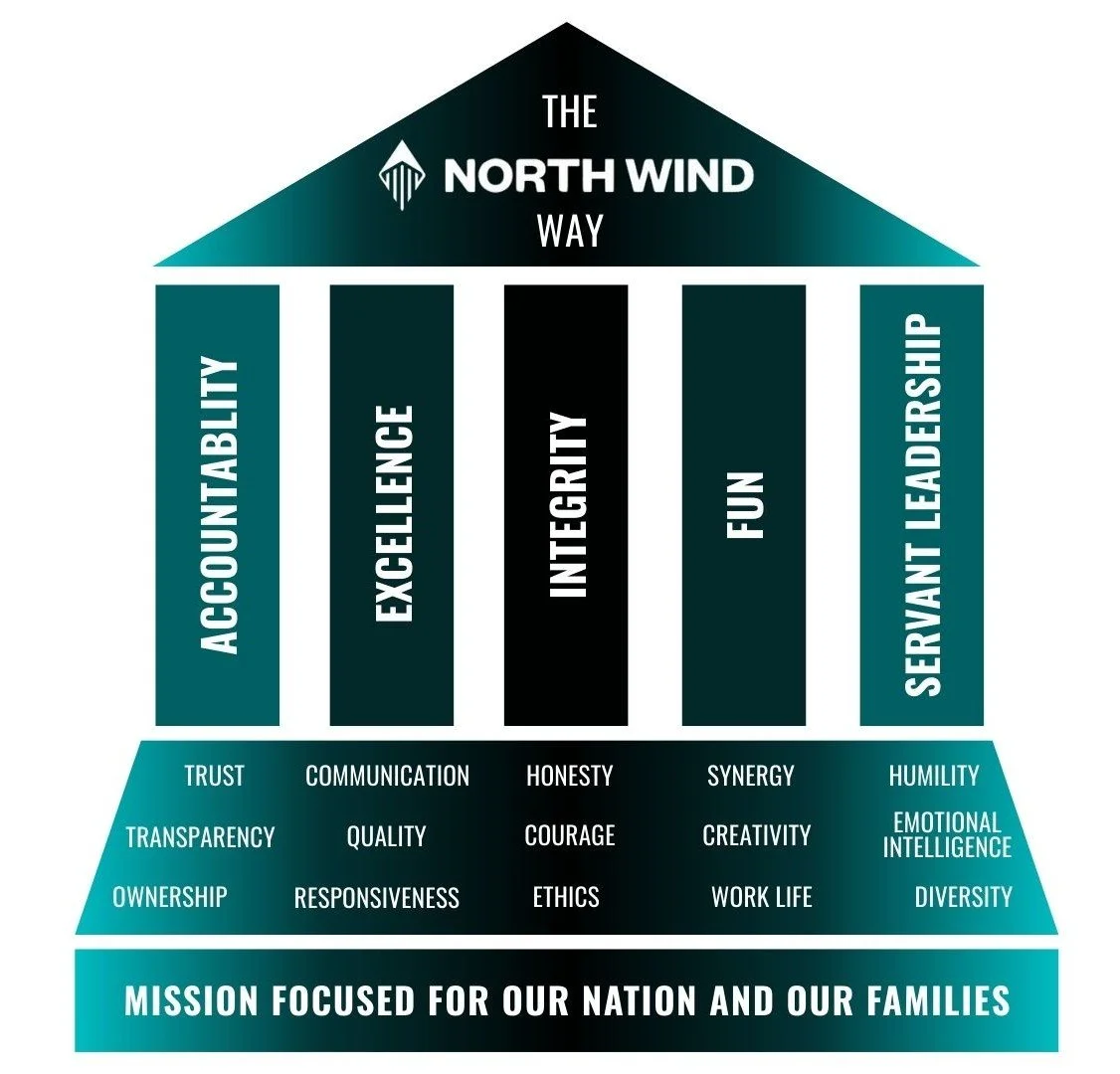
Transparency is essential to creating a workplace rooted in integrity. It ensures that actions and decisions are clear and visible, fostering accountability and ethical behavior. By sharing information candidly, leaders set the standard for responsible decision-making and create an environment where team members feel empowered to act with integrity and take responsibility for their contributions. When leaders clearly explain the reasoning behind their choices, they promote ethical decision-making—individuals are encouraged to consider the impact of their actions, knowing they are accountable for the results. This practice ensures decisions align with organizational values and reinforces a standard of conduct guided by integrity.
When leaders acknowledge mistakes and take responsibility for their decisions, they model integrity and inspire team members to do the same. This openness promotes mutual respect and a shared commitment to ethical practices. Where transparency and accountability are the norm, team members are more likely to own their actions, creating a stronger, more cohesive team built on trust and shared values.
“I think the currency of leadership is transparency. You’ve got to be truthful. I don’t think you should be vulnerable every day, but there are moments where you’ve got to share your soul and conscience with people and show them who you are, and not be afraid of it.”
Here are several leaders who have been celebrated for their commitment to transparency and openness. You may already have encountered some of them throughout your career.
Satya Nadella of Microsoft
Since taking over as CEO in 2014, Satya Nadella has been credited with transforming Microsoft's culture and business strategy. He fostered a more open, collaborative environment, moving away from internal competition towards an approach that emphasizes empathy, learning from failures, and working together. Under his leadership, Microsoft has become more transparent in its communication and more collaborative both internally and with its partners and customers.
Sid Sijbrandij of Gitlab
Under the leadership of Sid Sijbrandij, Gitlab has set an exemplary standard for transparency in the tech industry. Following a notable cyberattack in early 2017, instead of concealing their attempts at resolving the issue, Gitlab, under Sijbrandij's guidance, chose to livestream their repair efforts on YouTube. This decision was not just a one-time gesture, but an example of the company's deep-rooted commitment to openness. Their practices, including making their team handbook publicly accessible and conducting team communications on public channels, underline their dedication to transparency in all aspects of their operations.
Mary Barra of General Motors
Mary Barra, the CEO of General Motors, has been noted for her transparent leadership style, particularly in her handling of the 2014 ignition switch recall crisis. She took an open and accountable approach, facing the public and the employees to address the issues head-on. Under her leadership, GM has emphasized transparency and open communication, both internally and in its dealings with customers and stakeholders.
When challenges arise, leaders face a choice about how much to share and when. The following scenario illustrates how that choice can shape team dynamics and outcomes.
Saved by the Tell
Scenario A:
Zack, a project lead, noticed that a key deliverable would be delayed due to testing complications. Rather than addressing it immediately, Zack decided to wait until the situation was clearer. Meanwhile, team members heard rumors about the delay and budget concerns. Without information from Zack, speculation grew, morale dropped, and productivity suffered as people worried about what wasn't being said.
Scenario B:
Kelly, another project lead, faced similar testing complications that would delay a deliverable. Kelly gathered the team and said, "Our testing revealed an issue that's going to push our timeline back. I don't have all the answers yet, but here's what I know and what I don't know. Let's talk about how we can use this time productively while we work through the problem." Kelly's transparency helped the team stay focused and engaged, even in the face of uncertainty.
Think about a time when you delayed sharing important information with your team. What were the consequences, and what would you do differently now?
“The single most important ingredient in the recipe for success is transparency because transparency builds trust.”

A 2023 survey by the American Institute of CPAs (AICPA) revealed that transparency and accountability are widely regarded as key indicators of ethical behavior in businesses, especially among younger workers. To build trust and accountability within their teams, leaders can work on implementing these best practices for transparency:
Communicate Clearly and Regularly: Share information about decisions, changes, and the organization's direction transparently to keep the team informed. Use clear, straightforward language and encourage questions and discussions.
Share Successes and Failures Openly: Be honest about what is working well and what isn't. Sharing both successes and failures fosters a learning environment and encourages team members to take responsibility for their results.
Encourage Open Dialogue: Create an environment where team members feel safe to express their ideas, concerns, and feedback, promoting accountability and contributing to the team's success.
Be Proactive in Anticipating Needs: Look ahead to anticipate both your own needs and those of your team. By staying ahead of challenges and communicating potential issues before they become problems, you demonstrate accountability and help your team prepare for what's coming.
Admit Mistakes and Take Responsibility: When mistakes are made, acknowledge them openly and discuss what was learned and how similar issues will be avoided in the future, encouraging a focus on solutions rather than blame.
Provide Access to Information: Ensure that team members have easy access to the information they need to do their jobs effectively, holding yourself accountable for equipping your team.
Set Clear Expectations and Hold Everyone Accountable (including yourself!): Clearly communicate the goals, roles, and expectations for each team member, helping everyone understand their responsibilities and how they contribute to the organization's objectives.

Leading with transparency isn't always easy. Sometimes we don't know how much is too much to share or whether we're sharing enough. We second-guess the timing and question our motives. It's hard to get it right, but the payoff can be worth it. When you communicate honestly and openly, you create the conditions for your team to do their best work.
Reflection Questions:
How comfortable are you with admitting when you don't have all the answers?
What holds you back from being more transparent in uncertain situations?
Consider a current challenge you're facing. What information could you share with your team right now that would build trust and reduce speculation?

Elevate your understanding of Transparency by taking flight with the following resources. Use this opportunity to navigate, uncover, and expand the horizons of your leadership influence.
Trusted Leaders Practice Transparency in These 5 Ways
Scott Mautz
3 Strategies for Leading Through Difficult Times
Rasmus Hougard, Jacquleine Carter and Rob Stembridge
Simon Sinek Reveals What Transparency Really Means in Business (2:24)