Say Less, Mean More
Some people assume that more communication means better communication. While more information can sometimes be helpful, sharing more doesn't automatically make a message better. If we're taking twenty minutes to explain something that should have taken five, we may need to look at our own communication skills before assuming the people just aren't getting it.
When messages get buried under long explanations and too much detail, people walk away unsure what matters most, even when the information is accurate. In that situation, leaders end up answering the same questions again, not because the team wasn’t listening, but because the message wasn’t delivered with enough clarity.
The higher the stakes, the more important this clarity becomes. As we discussed in Crisis Communication, people need to understand both what's happening and what they need to do without having to sort through unnecessary detail or search for the information that matters. Saying less requires us to be intentional about what we communicate and mindful of what our teams actually need from us.
Self-Assessment:
Say Less, Mean More
Please take a few moments to reflect on the following questions. Where can you identify opportunities for growth in your leadership?
When I communicate direction, do I lead with the main point or build up to it?
Before I share information, do I consider whether it will help the people I lead or whether I’m sharing it to work through my own reaction?
Do I tend to add extra explanation when a simple statement would have been enough?
When a topic feels sensitive or uncomfortable, do I over-explain in an effort to manage how it will be received?
How often do I pause before speaking to define what I actually want people to understand or do?
Can members of my team repeat my message in simple language without needing clarification?
When I share an idea that is still forming, do I make it clear that I’m thinking it through rather than giving direction?
Am I comfortable stating a clear expectation and then allowing silence, or do I rush to fill the space and dilute the point?
This self-assessment is a starting point for understanding Say Less, Mean More as a leader. Reflect on your responses, identify areas for growth, and use feedback from others and your ECFL Leadership Coach to guide your development.


Clear communication requires judgment. People need enough information to understand the situation, make a decision, or know what is expected of them, but not every detail is equally useful. Transparency is important in leadership, but being transparent does not mean sharing everything. The goal is to give people the context they need without burying the main point.
Sometimes over-explaining starts with our own thinking. We may start talking before we have decided what the main point is, then add explanation as we try to figure it out along the way. Taking time to clarify the message for ourselves first makes it easier to give people the information they need without asking them to sort through our thought process with us.
Other times, we over-explain because we're worried about being misunderstood or uncomfortable with how the message may be received. We keep adding context, examples, or justification in an effort to make the message land the way we want it to. But more explanation can't make up for a message that hasn't been clearly defined.
These pressures can show up in several different communication habits:
Giving too little context: Being concise doesn't mean leaving out information people need. Feedback or direction may be accurate, but without enough context, people may not understand the problem, why it matters, or what they should do next.
Sharing ideas before they're fully formed: Brainstorming has a time and place, but people need to know when you're thinking out loud and when you're giving actual direction. Without that distinction, an unfinished thought can easily be mistaken for a decision.
Sharing uncertainty before it is useful: Some concerns need time for reflection before they are shared broadly, especially when the stakes are high. Sharing every possibility as it arises can create distraction or anxiety before there is enough information to make it useful.
Oversharing personal reactions: Honest leadership can build trust, but processing frustration, anxiety, or other emotions while delivering a message can shift attention away from what people actually need. Sometimes we need to work through our own reaction before deciding what belongs in the conversation.
Over-explaining: Too much context can bury the main point just as easily as too little context can leave people confused. Once people have the information they need to understand and act, continuing to explain may make the message less clear rather than more clear.
“We seldom repent talking little, but very often talking too much.”
Before sharing, consider what purpose the information serves. Does it help people understand the situation, make a decision, or know what's expected of them? When we miss that balance, our communication can create unintended effects:
Doubt: Too much explanation can make us sound less confident in the message, even when we are not.
Defensiveness: Repeatedly justifying a decision can make the message feel defensive and cause people to question it more.
Dependency: Giving people more direction than they need can make them less comfortable using their own judgment.
Mental fatigue: Long or repetitive explanations can make it harder for people to stay engaged and identify what they actually need to remember or do.
These habits can be easy to miss in the moment, especially when a conversation feels important or uncomfortable. Recognizing them can help us communicate with more clarity and purpose.
Knowing what clear communication looks like in theory is one thing. Applying it in the moment is another, especially when the message is sensitive or you’re unsure how people will react. This is where we have to use discernment as leaders.
The scenarios below give you a chance to think about what information is actually needed and how much is enough. Read each one and decide which response you would choose. Afterward, see how your answers compare.
Scenario A: A project deadline was missed because responsibility for the final review and submission wasn’t clear. The leader needs to address what happened and make sure the same problem doesn’t happen again.
1. “We missed the deadline because there were some gaps in communication and ownership. I know everyone had a lot going on, and I could have checked in more often too. Going forward, we need to be clearer about who is responsible for the final review and submission.”
2. “We missed the deadline because responsibility for the final submission wasn’t clear. Going forward, every project will have one person responsible for the final review and submission.”
3. “We missed the deadline because responsibility for the final submission wasn’t clear. Going forward, we need to make sure ownership is clearer.”
Scenario B: A leader has decided to change part of the team’s schedule after several weeks of problems with coverage. The change may be unpopular, and the leader needs to explain the decision.
1. “Starting next month, we’re adjusting the schedule to address the coverage gaps we’ve been experiencing. We looked at several options before making the decision, and there were different opinions about which approach would work best. I know the change may not work equally well for everyone, but we believe this is the best option right now.”
2. “Starting next month, we’re adjusting the schedule to improve coverage. The new schedule will be shared this week so everyone has time to plan.”
3. “Starting next month, we’re adjusting the schedule to address the coverage gaps we’ve been experiencing. I know the change may affect people differently, so I’ll share the new schedule this week along with the details you need to plan for it.”
“Leadership is not about a title or a designation. It’s about impact, influence, and inspiration”
Scenario A:
Response 1: The leader gives context and appropriately acknowledges their own role, but the team is still left unsure about exactly what will change going forward.
Response 2: The problem is clear, and the leader gives the team a specific change that addresses what caused it.
Response 3: The message identifies the problem and points toward a solution, but “make sure ownership is clearer” does not tell the team exactly what will change.
Scenario B:
Response 1: The leader is trying to be transparent, but the details about the options and different opinions don’t help the team understand what they need to know about the change.
Response 2: The message is clear and gives the team a reason for the change, but for a decision that may significantly affect people's schedules, it may be too brief to address the impact of the change.
Response 3: The leader explains why the change is happening, acknowledges its impact, and gives people a clear next step without adding details they don’t need.

Both scenarios focus on deciding what needs to be said, but part of clear communication is also knowing when to stop. Silence can feel uncomfortable once we’ve made the point, especially when we’re unsure how people will react. That discomfort can tempt us to keep explaining. Sometimes the better choice is to give people time to process the message and let them respond before adding more.

Clear communication takes more than simply saying less. We have to know what people need from us and be intentional about how we deliver it. The following Best Practices can help us communicate with more clarity and purpose:
Decide on the Message Beforehand: Before you communicate, stop and ask yourself what people actually need to understand or do. If you’re still figuring out what you mean, take time to work through it before trying to explain it to someone else.
Start With What Matters Most: Don’t make people work through a long explanation before getting to the reason you’re communicating. Lead with the main point, then add the context they need to understand it.
Limit Yourself to the Key Points: Focus on the information people actually need. If there’s too much to communicate clearly at once, break it into smaller pieces rather than letting the main message get buried.
Check Why You’re Sharing: Before adding more information, consider what purpose it serves. Share what helps people understand the situation or move forward, and be mindful when you’re sharing because you’re trying to work through your own reaction.
Match the Message to the Audience: Consider what the people receiving the message need to know and how much detail will actually help them. The right amount of information may change depending on who you’re communicating with.
Use Plain, Direct Words: Say what you mean in clear language. Avoid jargon, vague wording, or unnecessary explanation that makes people work harder to understand the message.

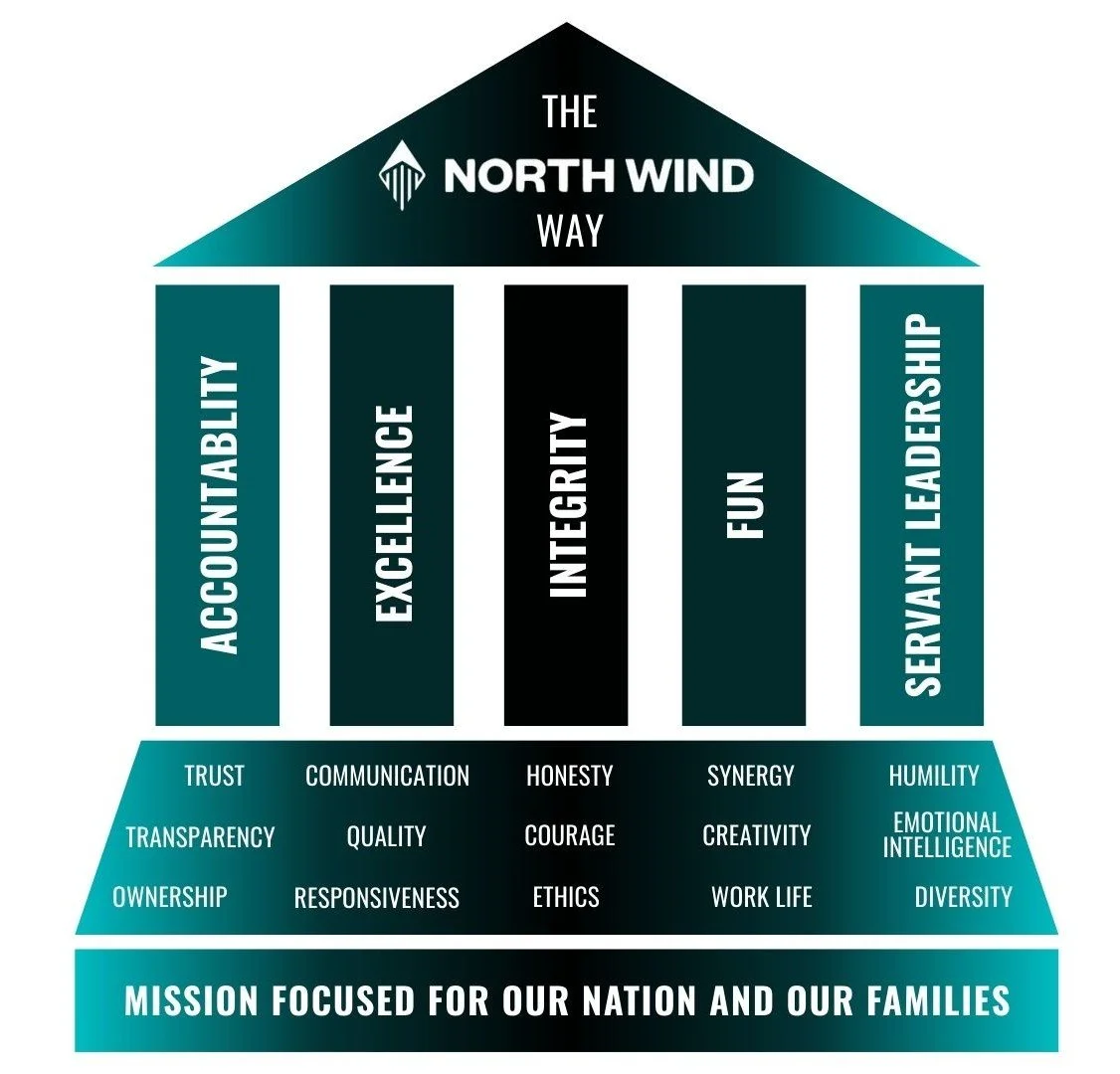
We live in a world where communication is constant and almost instant, which can make it easy to say more than we need to. As leaders, part of communicating with Excellence is recognizing that instinct and slowing down long enough to decide what actually needs to be said. This week, pay attention to your own communication and notice when you may be saying more than the situation requires or not giving people enough context to understand the message.

Elevate your understanding of Say Less, Mean More by taking flight with the following resources. Use this opportunity to navigate, uncover, and expand the horizons of your leadership influence.
The Benefits of Quiet Leadership: When Less Talk Means More Influence
The Leader Who Talks Too Much: Why Overexplaining Kills Trust