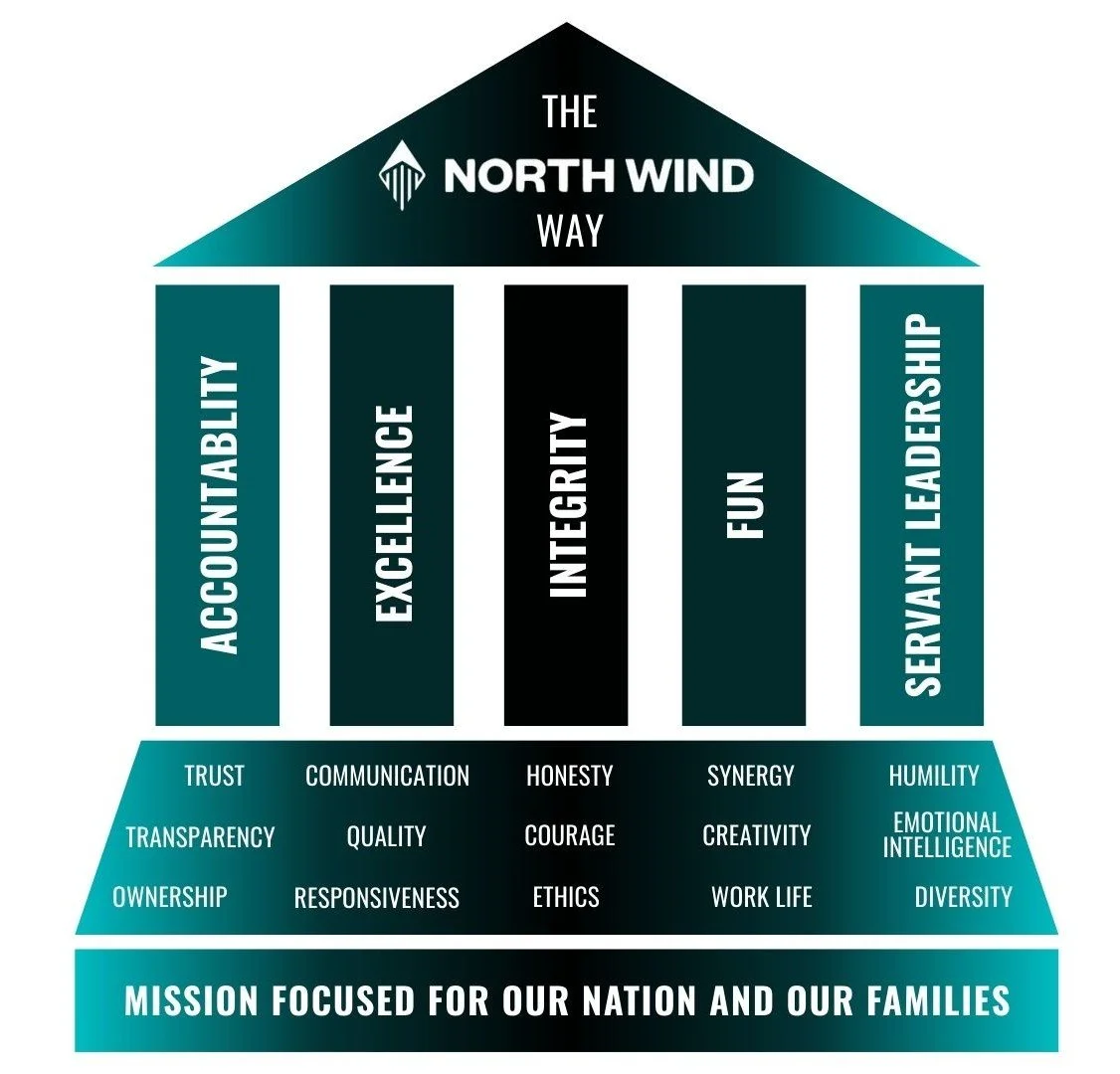
Sustaining Shared Success
Reaching a goal matters, but the real measure of success for a leader is whether the team can stay effective and keep momentum after the goal is reached. Some teams keep growing after a win, while others lose focus once the immediate pressure is gone. Often, the difference is habits rather than talent.
Teams that sustain success pay attention to how they work, as well as what they achieve. They keep learning, make adjustments when they see gaps, and look for practical ways to improve how they work together. Lasting success comes from shared habits that support consistency, honest communication about how the team is performing, and clear expectations around accountability. Psychological safety, team norms, and a shared sense of direction all play a part in keeping success going rather than letting it fade after the first win.


Self-Assessment:
Sustaining Shared Success
Please take a few moments to contemplate the following self-reflection questions. Where can you identify opportunities for personal growth in your leadership?
Does my team stay motivated after reaching a goal, or does our energy drop once the deadline has passed?
How do I contribute to keeping my team engaged and focused over time, not only when pressure is high?
Do I take ownership of my role and help hold my coworkers accountable in a respectful way?
How well does my team balance hard work with recovery so we can perform well without burning out?
Do I keep looking for ways to learn and improve, even when things are going well?
Does my team communicate consistently enough to stay aligned on goals, expectations, and changes?
When performance starts to slip, how do you respond as a team: ignore it, react to it, or talk about it and adjust?
What is one team habit I could strengthen or change to support long-term success?
Remember, this self-assessment is just a starting point for understanding your knowledge of Sustaining Shared Success as a leader. It's essential to reflect on your responses and actively work on areas where improvement is needed. Additionally, seeking feedback from others and working with your ECFL Leadership Coach can provide valuable insights into your strengths and weaknesses.

Many leaders assume that once their team hits a goal, satisfaction and commitment will naturally follow. The logic seems straightforward: success drives happiness, and happiness keeps people engaged. But research shows the relationship works in reverse. Teams that prioritize well-being and find meaning in their work tend to perform better over time, while teams that chase metrics without attention to morale often see motivation drop even after wins.
One reason for this is that success markers like completed projects or positive reviews provide only temporary boosts. The effect fades quickly if people don't find the work itself rewarding or don't see how their efforts connect to something meaningful. Teams that sustain performance focus less on celebrating outcomes and more on building conditions that make the work engaging in the first place. When people understand how their work serves a larger purpose, when they feel safe contributing ideas, and when they operate within clear norms, they stay motivated beyond the immediate goal.
“I am a member of the team, and I rely on the team, I defer to it and sacrifice for it, because the team, not the individual, is the ultimate champion.”
Sustaining success requires intentional effort in a few key areas. Three focus areas help sustain success:
Establish Team Norms: Agree on how the team will work together and revisit those expectations regularly. Simple norms around communication, meeting preparation, or follow-up on commitments help keep performance steady.
Create Safety Around Input: Make it normal for people to speak up when they see a concern, a risk, or a better way to do something. When people can name problems early, the team can address them before they grow.
Maintain a Shared Vision: Keep the bigger picture in view so daily work stays connected to a clear purpose. When everyone understands what you're working toward and why it matters, commitment is easier to sustain.


The Championship Team That Fell Behind
Imagine a championship team that just won its biggest title. For an entire season, they worked together, studied their opponents, and pushed each other to perform at their highest level. Every practice mattered. Every game was a chance to improve. They were focused, disciplined, and committed to winning.
But after their victory, things change. Players start skipping the extra training sessions that once made them better. Film study gets less serious because they assume they already know what to expect. Communication on the field weakens because they assume they're on the same page. No one notices the small changes at first, but by the time the next season starts, they're not as sharp. They make mistakes they never used to make, and the team that once dominated now struggles against opponents who never stopped improving.
Meanwhile, their biggest competitor takes the opposite approach. Instead of celebrating too long, they study what worked and find ways to improve. They strengthen their communication, refine their skills, and enter the new season more prepared than before. When the teams face off, it's clear which one has grown and which one has stalled.
Workplace teams follow similar patterns. A team that assumes past success will carry them forward often stops doing what made them successful. Details get missed because people think they already know what to expect. Communication weakens because no one checks in as often. Small missteps add up, and the team is no longer performing at its best. A team that keeps reviewing what works, making adjustments, and staying curious will perform better over time.
Think about your own team: What habits reinforce long-term success, and what habits might be holding you back?
“If you want to build a ship, don’t drum up people together to collect wood and don’t assign them tasks and work, but rather teach them to long for the endless immensity of the sea.”

When a team stays connected, supports each other, and keeps learning, they keep growing instead of losing momentum. Here are some simple ways to make success last:
Best Practices for Sustaining Shared Success:
Celebrate Risk-Taking and Learning: Recognize and reward efforts to innovate, even if they don't succeed. Highlight the value of learning from failures.
Share a "lesson learned" from a project during a team meeting and frame it as progress
Thank people publicly for trying new approaches, regardless of outcome
Make "what we learned" a regular part of project debriefs
Make Room for Enjoyment: Teams that enjoy working together stay engaged longer. Find ways to make collaboration feel rewarding, not just productive.
Start meetings with a quick personal check-in or success share
Celebrate small wins, not just major milestones
Create informal opportunities for the team to connect outside of task-focused work
Recognize when someone goes out of their way to help a teammate
Connect Work to Service: Help team members see how their work serves others beyond immediate metrics. When people understand their impact, the work becomes more meaningful.
Discuss who benefits from the team's work and why it matters to them
Share feedback or stories from customers, partners, or other teams about the team's impact
Frame goals in terms of the difference you're making, not just what you're producing
Review and Adjust Regularly: Schedule time to discuss what's working and what isn't. Teams that reflect on their process stay sharper than teams that only focus on results.
Hold brief quarterly reviews where the team assesses how they're working together
Ask specific questions: "What's helping us collaborate?" "What's getting in the way?"
Make adjustments based on what you hear, then follow up to see if changes helped
Use these reviews to reinforce what's working, not just fix what's broken
Sustaining success takes deliberate attention to the habits and practices that keep a team performing well over time. The teams that continue growing after a win stay curious about how they're working together, make adjustments when things change, and create conditions where people want to keep contributing their best work. This week, find one way to make collaboration more enjoyable for your team. It could be as simple as celebrating a small win, starting a meeting with something positive, or recognizing someone who helped a teammate. When work feels rewarding, people stay engaged.
Reflection Questions:
What habits currently support your team's sustained performance, and what habits might be slipping without anyone addressing them?
How does your team currently connect their daily work to a larger purpose or the people they serve?
When was the last time you asked your team how they're functioning together, not just what they're accomplishing? What would you learn if you asked that question this week?

Elevate your understanding of Sustaining Shared Success by taking flight with the following resources. Use this opportunity to navigate, uncover, and expand the horizons of your leadership influence.
How to Prevent Employee Burnout
19 Fun Ways to Boost Morale & Motivation at Work
Can Work Make You Happy? Should It? (short HBR Video)