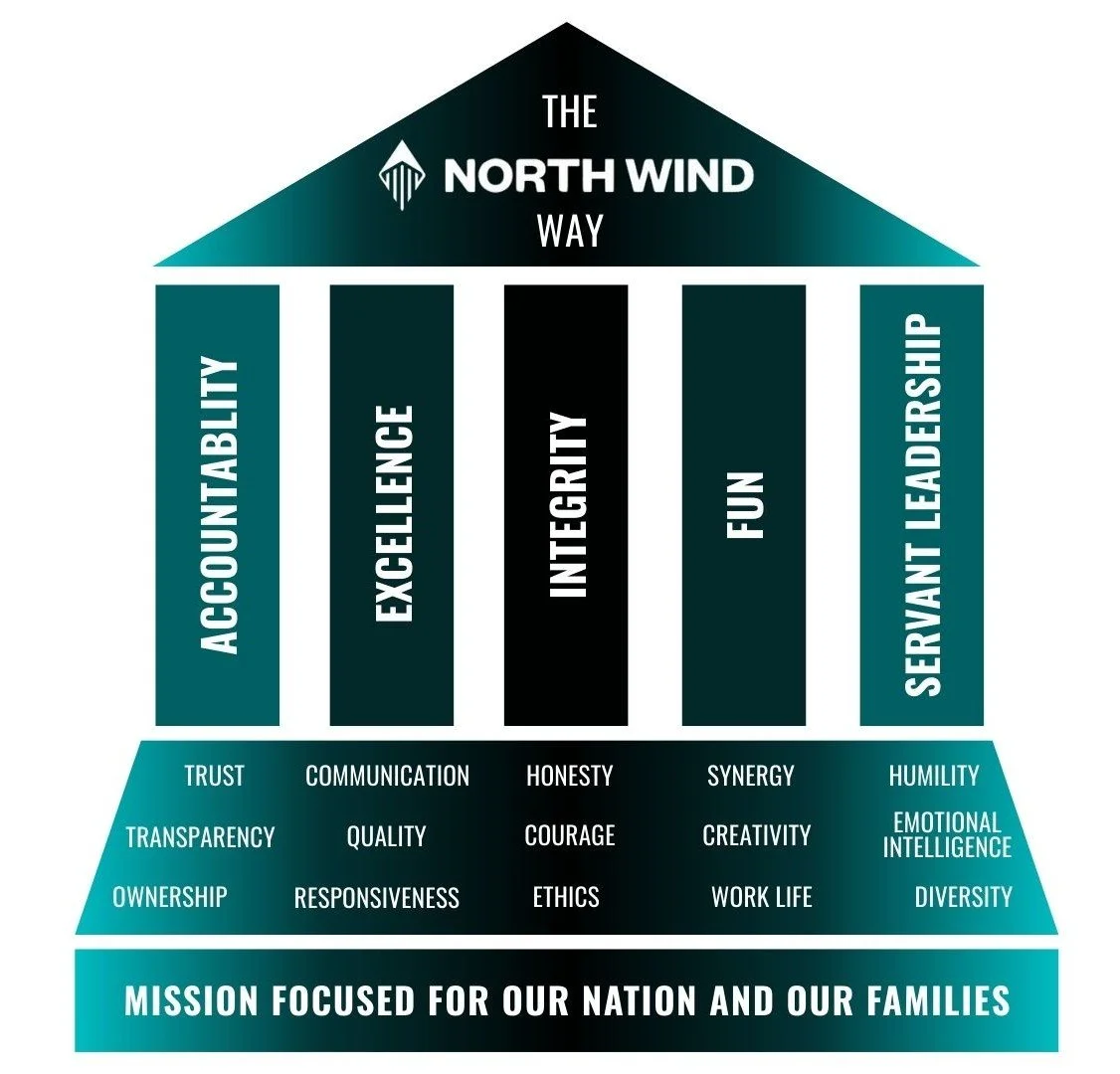
The Foundation of Ownership
Ownership is a mindset of personal responsibility and genuine investment in our roles and the outcomes we produce. When teams embrace ownership, they don't settle for "good enough.” Instead, they pursue meaningful goals, view challenges as opportunities to grow, and hold themselves to a standard that sustains trust.
Accountability and ownership are closely connected, but aren't the same. Accountability is often about meeting expectations set by others, while ownership is driven more by our internal commitments. When we understand why our contributions are important, we push ourselves toward better outcomes because we genuinely care about the impact of our work. This lesson examines the Foundation of Ownership and how we can turn personal responsibility into a daily practice, rather than just a good intention.
Self-Assessment:
The Foundation of Ownership
Please take a few moments to reflect on the following questions. Where can you identify opportunities for personal growth in your leadership?
When I commit to something, do I follow through without needing reminders?
When something goes wrong in my area, do I address it directly rather than wait for someone else to raise it?
Do I feel responsible for the purpose and results of my work, not just the tasks involved?
Do I have a clear understanding of where my responsibilities begin and end in my current role?
When I am unsure about something, do I ask for clarity early rather than act on assumptions?
Do I regularly examine my decisions and follow through to identify where I need to improve?
When I make a mistake, do I acknowledge it quickly and move directly to the solution?
Do I think about how my work affects the people, processes, and outcomes that depend on it?
This self-assessment is a starting point for understanding of The Foundation of Ownership. Reflect on your responses, identify areas for growth, and use feedback from others and your ECFL Leadership Coach to guide your development.


Research on leadership mindsets shows that the way a leader processes a situation, what they notice, and how they respond is shaped less by the situation itself than by the mindset they bring to it. A leader oriented toward task completion measures contribution by what they finish. By contrast, a leader oriented toward ownership measures contribution by what their effort produces.
Ownership rests on several key elements, each of which places specific expectations on a leader:
Responsibility: Ownership begins with accepting responsibility for outcomes instead of distancing ourselves from them when the taskgets difficult or our efforts fall short.
Clarity: Ownership requires a clear understanding of what the role is meant to accomplish, why it matters, and what success looks like in practice. Without this clarity, responsibility has no clear direction, and leaders may be unsure where to focus their efforts.
Follow-through: Ownership means remaining invested in the work until it produces the intended result. Remember, completing a task is not always the same as making sure it achieves what it’s meant to accomplish.
Long-term perspective: Ownership looks beyond immediate completion by considering how present decisions may affect future work and determining which issues require attention now and which can wait.
Servant leadership: Ownership influences how leaders take responsibility for others. A leader with an ownership mindset uses their position to support the people they lead and advance the mission entrusted to them.
Most leaders consider themselves responsible, and in many cases, that’s accurate. The more revealing question is how far that ownership goes once the work has begun. To see that more clearly, it helps to move beyond the definition and examine ownership in daily practice:
Responsibility for the result looks like: A supervisor finishes a report, then follows up to confirm the information is accurate and supports the intended next step. Another leader finishes the same report and moves on as soon as it’s submitted. Both completed the task, but only one stayed connected to the result.
Responsibility for the role looks like: A recurring scheduling problem keeps creating confusion, but no one has formally claimed it. A leader with ownership addresses the issue when doing so falls within their role, clarifying what needs to happen and helping create structure around the work instead of waiting for someone else to take responsibility for it first.
Responsibility for the decision looks like: A quality concern appears late in a process, and the easiest choice would be to assume someone else will catch it. A leader with ownership raises the issue and stays with it until the appropriate decision is made and the next step is clear, whether that means making a decision within their authority or raising the concern with someone who has the authority to make it.
Ownership also includes responsibility for the future. A leader with an ownership mindset considers more than what will solve the immediate problem. Leaders with this mindset ask what will hold up over time and what needs attention now to prevent avoidable problems while strengthening the work and the people connected to it. This is where ownership starts to look like stewardship: leaders manage what is in front of them while considering what their choices will support or weaken over time.
Ask Yourself:
What decision or action is needed now to support a stronger result later?
How can I invest in the people responsible for this work so they are better equipped over time?
“Leadership is taking responsibility while others are making excuses.”
When leaders show they are committed to ownership, they send a clear message: everyone plays a part in making things better. Let’s look at how this can play out in a real situation.
Imagine you’re leading a shift at WhizBang Industries, the place where things are always whizzing and banging. Today, the team is dealing with a sticky situation: a batch of materials is stuck halfway to the next stage of production. One operator missed a quality check, while another noticed the problem but stayed silent. The delay continues to grow because everyone assumes someone else will handle it.
You start to see several obstacles that hold teams back:
Siloed Thinking: One operator focused only on their own task without thinking about how it connected to the bigger picture.
Bystander Effect: Another operator saw the problem but thought, “Someone else will take care of it.”
Fear Culture: People stayed quiet and avoided eye contact, worried they’d be blamed for the delay.
Blame Culture: One operator shrugged and said, “It’s not my problem. I did my job,” as if that ended the conversation.
You pause the team and say, “I know this is a mess, but we’re going to work through it together. Let’s understand what happened and decide what needs to change.”
You explain that every step in the process is vital, since everyone’s work is connected. Siloed thinking slows the entire process when people focus only on completing their own tasks. Even when correcting a problem falls outside someone’s role or authority, raising the concern is still part of being a team. You encourage people to ask questions when they’re unsure how their responsibilities connect to the next stage and to check in with others when needed.
You also address the bystander effect. Waiting for someone else to respond allows a manageable concern to snowball into a larger problem. Speaking up early gives the appropriate person time to act before the issue affects more of the process.
You notice that a few of your team members may be holding back because they dislike conflict and are afraid that raising a problem will cause trouble. You explain that issues need to be raised as soon as possible so the team can understand what happened and prevent the same problem from recurring. Accountability is still important, but understanding why something happened should come before assigning blame. You’d rather hear about problems, even when the conversation is uncomfortable, because they’re easier to address before they disrupt more of the production process.
You address blame culture by explaining how ownership extends beyond completing individual duties. Each person has a responsibility to consider the larger mission and how their role contributes to it. Ownership includes stepping in to help when needed, even when they didn’t cause the problem. As their leader, you acknowledge your personal responsibility for checking in more often and ensuring your people feel comfortable raising concerns with you.
The conversation helps the team understand ownership from a broader perspective. People begin sharing ideas for preventing another delay. Together, they create a checklist to catch mistakes earlier and develop a clear plan for raising concerns as soon as they notice them. The huddle ends with clear expectations and an understanding of shared ownership.
“Responsibility equals accountability equals ownership. And a sense of ownership is the most powerful weapon a team or organization can have.”

Ownership grows when leaders practice it in concrete, consistent ways. These best practices focus on the daily behaviors that help us take full ownership of our responsibilities.
Best Practices for Developing an Ownership Mindset:
Honor Your Commitments: When you say you are going to do something, follow through and communicate early if anything changes. People build their own plans and decisions around what you say, and consistent follow-through makes you someone they can depend on.
Acknowledge Mistakes Directly: When something goes wrong, acknowledge it directly so you can work on a solution. Offering long explanations or deflecting from the real issue can confuse and weaken confidence in your leadership. Direct ownership helps others understand what happened and what comes next.
Review Your Own Follow-Through: Set aside time to review your work and decisions, paying attention to how consistently you follow through. Identify where you need to adjust. Regular self-review helps you catch patterns early and correct them before they become repeated problems.
Don’t Be Afraid to Ask: Ownership includes good judgment. Asking for help or clarification early can prevent delays and keep manageable concerns from becoming larger problems. Speaking up shows responsibility and sound judgment, not weakness!
Stay Connected Through to the End: Think beyond your individual task and consider how your work affects other people and the outcome. This helps you make better decisions and strengthens your sense of responsibility for the bigger picture.
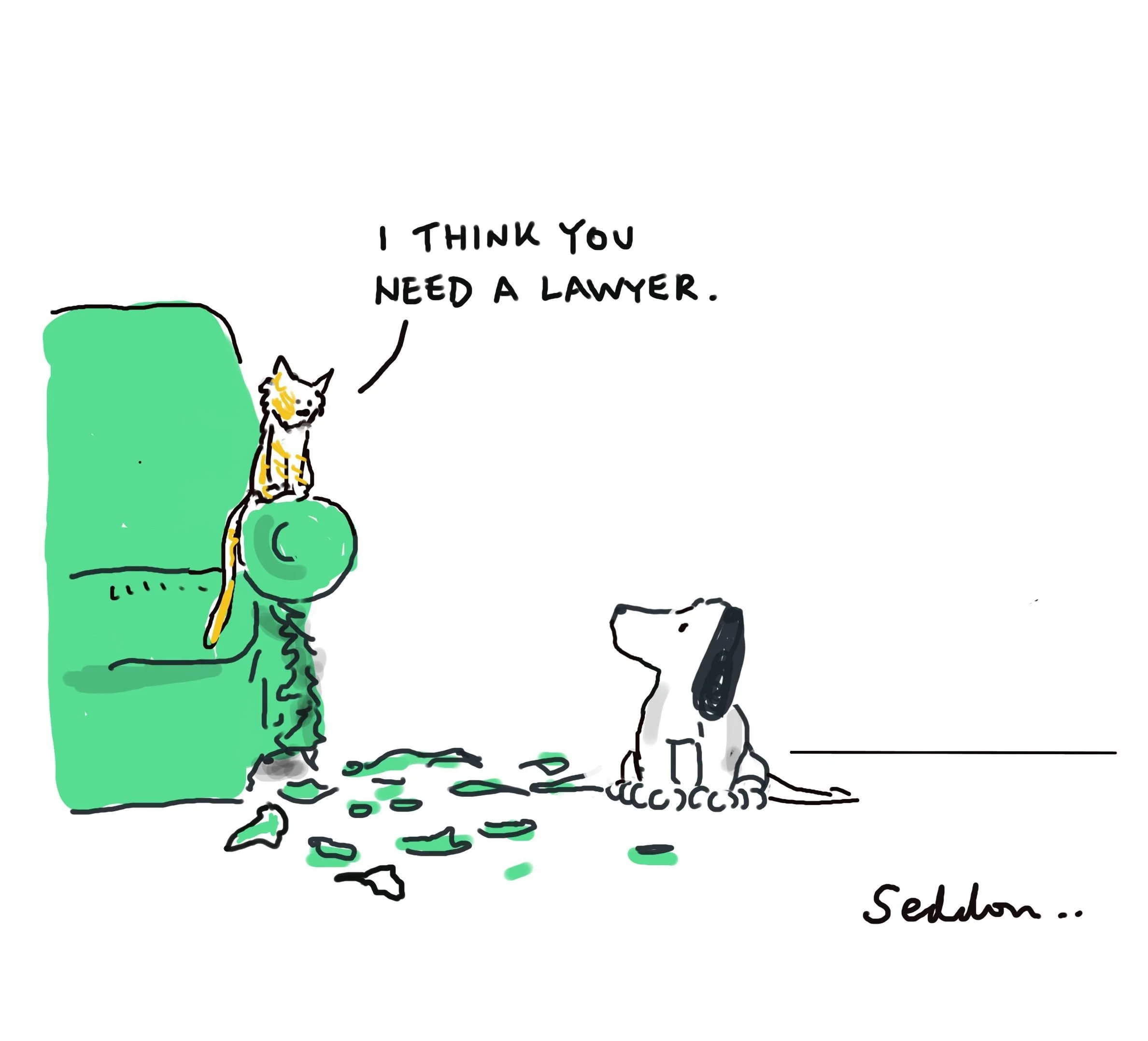
Ownership begins with how we lead ourselves. We can’t build ownership in others while avoiding it personally because the people we lead learn by watching how we handle our responsibilities every day. Before ownership can become part of our culture, it has to become part of our own conduct.
Take time to examine where you may be blaming, avoiding, or waiting for someone else to carry what belongs to you. Ask yourself whether you are showing up like an owner in the work you have been given and whether you are helping others grow in ownership without controlling every step.

Elevate your understanding of The Foundation of Ownership by taking flight with the following resources. Use this opportunity to navigate, uncover, and expand the horizons of your leadership influence.