The Power of Questions
Over 85 years ago, Dale Carnegie emphasized the power of questions in his classic book, How to Win Friends and Influence People, advising: “Ask questions that others will enjoy answering.” His insights highlight the importance of mastering strategic questioning, especially in leadership. Understanding that the effective use of questions is crucial for connecting with and influencing others, we recognize that asking questions adds more value to a conversation than merely obtaining an answer. When open-ended questions are posed thoughtfully and with genuine interest, they contribute to healthier relationships. The act of sharing through thoughtful questions, coupled with open and sincere dialogue, builds trust and strengthens connections over time. This one skill can be transformative when building transparency and accountability with those we lead.
Self-Assessment:
The Power of Questions
Please take a few moments to contemplate the following self-reflection questions. Where can you identify opportunities for personal growth in your leadership?
How often do I intentionally ask questions to understand perspectives that differ from my own
When I ask questions, do I consider how different roles, experiences, or work styles might influence the responses?
Am I mindful of how the questions I ask might privilege certain information or viewpoints over others?
How often do I use questions to identify and address potential barriers to transparency within my team or organization?
Do the questions I ask help to build trust and deeper connections with the people I lead?
How do I ensure that my questions encourage openness rather than defensiveness?
Do I regularly reflect on whether my questions create space for honest dialogue?
Do I seek feedback on how my questions are perceived by others, especially those who may feel hesitant to speak openly?
Remember, this self-assessment is just a starting point for understanding your knowledge of The Power of Questions as a leader. It's essential to reflect on your responses and actively work on areas where improvement is needed. Additionally, seeking feedback from others and working with your ECFL Leadership Coach can provide valuable insights into your strengths and weaknesses.


In Good Leaders Ask Great Questions, John Maxwell states that asking questions is critical for leaders seeking to strengthen their connections with those they want to influence and lead. He emphasizes that asking questions is a powerful tool for cultivating humility, generating better ideas, gaining new perspectives, challenging our mindset, engaging in conversation, and connecting with others.
Here are some of the benefits of asking intentional questions to build connections and address challenges related to transparency and accountability, ensuring that every employee is valued and heard:
Questions help us identify blind spots. Leaders may not always be aware of information gaps or fully grasp the challenges their team members face in their daily work. By asking thoughtful, open-ended questions, leaders can uncover areas where communication has broken down or where important details are being missed.
Questions such as, "What barriers are you experiencing?" or "What information would help you do your job better?" encourage team members to share their experiences and obstacles.
Questions help facilitate open dialogue. Conversations about problems, mistakes, or organizational challenges can be uncomfortable, leading to silence or surface-level exchanges.
Posing questions that show genuine curiosity and care, such as "How do you feel about how we're communicating as a team?" or "What would help you feel more comfortable sharing concerns?" can create a safe space for honest dialogue. This helps to break down barriers and encourages people to speak up when something needs attention.
“The important thing is not to stop questioning. Curiosity has its own reason for existing.”
Questions help to encourage inclusive decision-making. Decisions made without input from those who will be affected can lead to resistance, confusion, or unintended consequences. Leaders can use questions to ensure transparency in decision-making processes.
For example, asking "Whose perspective are we missing in this discussion?" or "How will this decision impact different parts of our team?" ensures that various viewpoints are considered, leading to more informed and accepted outcomes.
Questions help to build trust in relationships. Without trust, team members may be reluctant to share concerns, admit mistakes, or ask for help when they need it. By asking questions that demonstrate respect and interest in individual experiences, leaders can build stronger relationships.
Questions like "Can you share more about how this impacts your work?" or "What can I do to support you better?" show a commitment to understanding and valuing each team member, which builds trust over time.
Questions can help address and prevent conflict. Not even the best teams are immune to conflict, and as we’ve previously discussed, healthy conflict can be beneficial. Leaders can use questions to explore the root causes of conflict and facilitate resolution.
Asking "What are the underlying concerns here?" or "How can we work together to find a solution that addresses everyone's needs?" helps to surface issues early and address them before they escalate.

It’s important to recognize that not everyone may feel comfortable answering certain questions, particularly those that might touch on sensitive personal experiences. Leaders should be mindful not to pressure anyone into responding if they are uncomfortable; respecting these boundaries is vital for maintaining trust and avoiding placing an undue burden on any team member. The goal should be to create an environment where employees feel safe and encouraged to share voluntarily. By strategically using questions, leaders can navigate challenges more effectively, promoting a more transparent, accountable, and connected work environment.
Take a few minutes and read the story of Big Bang Corp and its journey towards greater transparency.
The Turning Point for Big Bang Corp
Big Bang Corp was a thriving technology company known for its innovative products and rapid growth. However, beneath the surface, the company struggled with communication breakdowns and a lack of transparency in its workplace. The leadership team, led by CEO Leonard Hofstadter, operated in a top-down manner where information flowed slowly, and decisions were made behind closed doors. Despite the company's outward success, there was a growing sense of unease among the employees.
One day, Leonard received an anonymous letter from an employee. The letter expressed concern about the lack of open communication and highlighted how this was affecting the company's culture and performance. The letter read:
Dear Leonard,
Big Bang Corp has been a great place to work, but I fear our potential is being limited by the lack of transparency in how we communicate and make decisions. I've noticed that many concerns from employees at my level go unheard, and we're often left in the dark about important changes until they've already been decided. This creates confusion and frustration that affects our ability to do our best work. If we want to continue growing and innovating, we need to start being more open with each other. We need leaders who listen to everyone and share information that helps us understand the bigger picture.
Thank you for listening.
Sincerely, An Employee Who Cares
Leonard was taken aback by the letter. He had always considered himself a fair and approachable leader, but this letter made him realize that he might have been overlooking something crucial. He decided it was time to take a closer look at the company’s culture and his personal leadership style.
The Change Begins
Leonard began by holding a series of listening sessions with employees at all levels of the company. He encouraged them to share their experiences, frustrations, and ideas for making Big Bang Corp a more transparent workplace. What he heard was eye-opening: many employees felt that important information was being withheld, and some even felt that their concerns were dismissed or ignored when they tried to raise them.
One of the most impactful stories came from Penny, a mid-level engineer who had been with the company for five years. Penny shared that she often felt hesitant to speak up in meetings because when she raised concerns about project timelines or resource constraints, her input was brushed aside. She had valuable insights from being close to the work, but without knowing the reasoning behind decisions or having her questions answered, she felt disconnected from the broader goals. She expressed how demoralizing it was to watch problems she had flagged early become major issues later, simply because no one had been willing to listen or explain why her concerns weren't being addressed.
This struck a chord with Leonard. He realized that by not actively sharing information and inviting honest dialogue, he was not only creating confusion but also harming his team’s morale and productivity.
“The right question is usually more important than the right answer.”
Taking Action
Determined to make a change, Leonard and his leadership team took several steps to create a more transparent environment. They started by establishing regular communication channels where information about company decisions, strategy, and challenges was shared openly with all employees. They also implemented policies to ensure that all voices were heard in meetings, such as structured rounds where each person was encouraged to contribute their questions and concerns.
Leonard also introduced a practice of explaining the "why" behind decisions, even when the news wasn't what people wanted to hear. He found that employees were far more accepting of difficult decisions when they understood the reasoning and had an opportunity to ask questions.
Additionally, the company began offering training for all leaders on transparent communication practices, focusing on creating psychological safety and encouraging open dialogue even when the conversations were difficult.

The Impact
The changes didn’t happen overnight, but slowly, the culture at Big Bang Corp began to shift. Employees like Penny started to feel more valued and empowered to share their ideas. Meetings became more productive and collaborative, with people feeling comfortable asking clarifying questions and offering insights from their unique vantage points.
One year later, Big Bang Corp launched a groundbreaking product that disrupted the industry. This product had been developed more efficiently than any previous project because teams had communicated openly about obstacles and addressed issues as they arose.
Leonard reflected on the journey and realized that being a transparent leader wasn't just about doing the right thing; it was about unlocking the full potential of his team and driving the company forward. The letter he had received had been the catalyst for change, and Big Bang Corp was now stronger, more innovative, and more united than ever before.
The story of Big Bang Corp is a reminder of the importance of practicing transparency as leaders. When we value open communication and accountability, we are on the path to creating a more innovative and successful organization. What were the key turning points in Leonard's journey towards becoming a more transparent leader?

Asking good questions takes practice and intention. Here are some strategies to help you develop this skill in ways that build transparency and strengthen accountability.
Use Questions to Set Clear Expectations: Asking what people need to know signals that accuracy matters and everyone is responsible for shared success. Examples include, “What questions do you still have about this task?” and “Is anything unclear about the process?”
Ask Questions that Expose Hidden Assumptions: Leaders often make decisions based on assumptions that were never checked. Using questions to challenge your own assumptions creates transparency and leads to better decisions. Examples include, “What am I assuming here?” and “Is there information we have not considered?”
Ask Follow-Up Questions After Commitments Are Made: Accountability grows stronger when leaders check in on progress. Asking, “What progress have we made since our last conversation?” or “What support do you need to meet this deadline?” reinforces responsibility while showing respect for the workload and challenges the team is managing.
Avoid YES or NO Questions: When building transparency and trust, try to make your questions as open-ended as possible, and avoid yes/no questions. While information is important, your first goal should be creating an open-ended dialogue that will lead to a deeper understanding for both you and your team. Consider the following questions and statements to encourage conversation:
"What information would be helpful for you to have right now?
"How do you see this situation differently than I might?"
"What concerns do you have that we haven't addressed yet?"
"What's getting in the way of moving forward on this?"
"Can you help me understand your perspective on this?"
“Do you have any questions for me?”
Acknowledge That You May Get Things Wrong: Embrace vulnerability by asking thoughtful questions that encourage open dialogue and invite meaningful conversations. You might not always ask the right question or have the perfect understanding of what someone is experiencing, and that is OK. Cultivate an openness so that people feel comfortable telling you when you get things wrong, allowing you to learn from their feedback
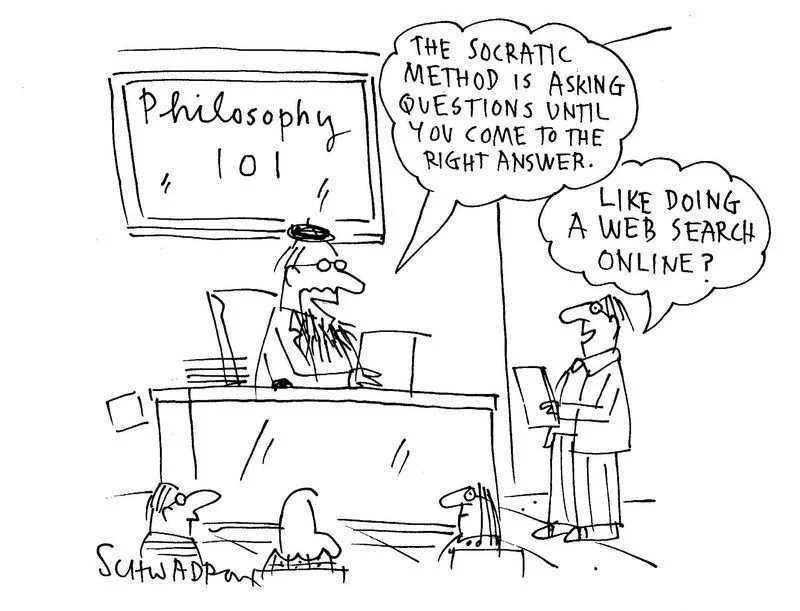
Questions are one of the most powerful tools we have as leaders to build transparency and accountability. They help us see what we're missing, understand perspectives different from our own, and create space for honest dialogue. But like any skill, asking good questions requires practice and intentionality. This week, challenge yourself to create a list of five open-ended questions you can practice asking in your conversations with your team. Pay attention to what those questions reveal—about your team, about your work, and about your own assumptions. The answers may surprise you!
Reflection Questions:
What steps can you take to actively listen to and address the concerns of employees who may hesitate to speak up?
Think about a recent conversation where you asked questions. What did those questions reveal that you might have missed otherwise?
When was the last time you asked a question that challenged your own assumptions? What did you learn?

Elevate your understanding of The Power of Questions by taking flight with the following resources. Use this opportunity to navigate, uncover, and expand the horizons of your leadership influence.
Leaders Learn to Ask the Right Questions | Psychology Today
The Persuasive Power of Questions for Leaders - UNC Executive Development
How to Ask Good Questions - A Guideline to Better Conversations
Dr. Grace Lee (15:12)