
One Operation, One Team
In the business world, we often use the word team casually, saying things like, “Let’s work as a team” or “We’re a solid team here.” However, simply referring to a group as a team does not mean it will function effectively as one. We frequently think of team as a noun that identifies a group, but team can also function as a verb. Teaming, the act of working together with purpose, is what makes a group effective. True effectiveness begins when the group learns how to operate as one.
For leaders, teaming involves building trust through our everyday interactions, such as keeping communication clear among team members. By encouraging collaboration and reinforcing shared goals, leaders help individuals connect their efforts to shared success. It’s our daily leadership choices that determine whether a group functions as separate contributors or as part of something larger, which is the principle behind One Operation, One Team.

Self-Assessment: One Operation, One Team
Please take a few moments to contemplate the following self-reflection questions. Where can you identify opportunities for personal growth in your leadership?
Do I help the group operate as a team, rather than only referring to it as one?
Do I build trust through everyday interactions with the people I lead or influence?
Do I keep communication clear enough for people to understand how their roles support the operation?
When smaller groups become disconnected, do I help bring attention back to the larger goal?
Do I recognize the teamwork behind results, not only the final outcome?
When someone raises a safety concern, do I treat speaking up as something that protects everyone?
Do I model respect for the contributions others make across roles and teams?
Do my daily leadership choices help people see themselves as part of something larger?
Remember, this self-assessment is just a starting point for understanding your knowledge of One Operation, One Team as a leader. It's essential to reflect on your responses and actively work on areas where improvement is needed. Additionally, working with your ECFL Leadership Coach or seeking feedback from a trusted mentor can provide valuable insights into your strengths and weaknesses.


The difference between calling a group a team and helping it operate as one comes down to behavior. Teaming shows up the most visibly in the way we communicate to protect our shared organizational standards. But what does this actually look like?
Open communication is one of the first signs that a group is learning to operate as a team. Leaders can create this transparency by ensuring that everyone feels comfortable sharing updates and raising questions. A team becomes truly cohesive when all ideas are taken seriously, and concerns are handled with respect.
This sense of mutual respect helps those we lead to value the roles around them, especially when the roles are vastly different from their own. When people understand the how and why behind roles outside their own, they’ll have a better appreciation for what it takes for the operation to succeed. Team members may own different responsibilities, but those responsibilities still affect the same outcome.
Leaders can encourage mutual respect by modeling respectful behavior in our everyday interactions. This includes actively listening and taking the opportunity to show appreciation for everyone’s contributions.
Establishing clear expectations for what collaboration looks like also helps to create an environment where different perspectives are treated as strengths. When leaders respond with consistency, we model the trust necessary for teamwork.
“The nice thing about teamwork is that you always have others on your side.”
Effective teamwork requires habits that help us communicate with both clarity and respect. The following list identifies the seven steps to building this kind of team:
1. Give people the opportunity to do what they do best
2. The most effective teams trust one another to deliver quality work. They share a common definition of quality and talk about quality as a fundamental value of the team.
3. Create an opportunity for employees to work on a project together so that they can each do what they do best. This can help them develop closer relationships. As they find better ways to work together, their insights into partnerships lead to enhanced trust and stronger relationships across the whole team over time.
4. Set goals for your team that align with the overall mission, purpose, and vision of the organization.
5. Lead open discussions about recent problems your team has faced. Talk about what went wrong, but focus more on best practices for the future.
6. Identify and discuss quality with your team. Learn what quality means to them and the steps they take to maintain high-quality standards.
7. Share best practices. From research, experience, or both, share some of the best practices for teamwork in the workplace and encourage others to share theirs.


A team’s ability to operate as one is often tested in ordinary moments. In this story, a seemingly small mistake gives the group a chance to practice trust and reinforce shared responsibility.
Taking the Team’s Vitals
The holiday weekend is approaching, and Robby’s team has a time-sensitive project that needs to be completed before the break. Each person owns a different responsibility, and the project will only succeed if the group collaborates well. Dana keeps the group organized so nothing important gets lost in the rush. Langdon checks the technical details, and Mel reviews the standard the project has to meet. Victoria is newer to the team, but her role in tracking the checklist gives her a clear view of what still needs to be confirmed.
The project is almost ready to move forward, and everyone assumes the final verification has already been completed. Victoria is tracking the checklist, so she notices that one required confirmation is still missing. Since she’s newer, Victoria wonders whether she has enough context to raise the concern. Even if she’s right, part of her thinks it might be better to wait for someone with more experience to speak first.
Instead, Victoria asks Dana whether the final verification was completed. Dana takes the question seriously and checks the list with Victoria. Once they see the missing confirmation, Dana brings Robby into the conversation. Robby now has to decide how the team will handle the moment.
Before reading Robby’s response, pause and think through the leadership choice in front of him.
Ask yourself:
What should Robby focus on first?
How can Robby address the issue without turning the conversation into blame?
What could Robby do after the issue is corrected to help the team learn from it?
“It is amazing what you can accomplish if you do not care who gets the credit.”
Robby brings the group together to review the missing confirmation before the project moves forward. He keeps the conversation focused on what needs to happen next instead of who should have caught it sooner. Langdon reviews the technical details, and Mel confirms the standard that needs to be protected. Once the group corrects the issue, Robby takes a few minutes to ask what made the issue possible and what should be handled differently next time.
Robby’s response is important because he treats the missing confirmation as a team challenge. Victoria noticed it, Dana took it seriously, Langdon and Mel helped protect the standard, and Robby kept the group focused on what needed to happen next. The moment becomes a teaching moment, with the team correcting the problem and leaving for the holiday weekend better prepared for next time.


A unified team isn’t going to happen by chance. We must create it intentionally by encouraging those we lead to see how their roles support both the team and the operation. Here are some best practices that can help us make that connection visible in our daily leadership.
Best Practices for One Operation, One Team:
Promote a Shared Identity: People naturally identify with the groups closest to them. That may be their shift, department, role, or immediate team. Leaders help by reminding everyone that they are part of one operation with common goals and shared standards. When people see themselves as part of something larger, they are more likely to act with the operation in mind.
Celebrate How People Work Together: Results deserve recognition, and so does the teamwork behind them. Applaud when someone shares a helpful idea, catches a potential issue, helps solve a problem, or simply acts like a team player. These moments show people that their collaboration efforts are valued.
Treat Safety as a Collective Standard: Safety belongs to everyone. Leaders should make it clear that speaking up when something could put someone at risk is not only allowed but encouraged. When someone raises a concern, the focus should stay on protecting people and addressing the issue.
Create Team-Building Moments: Team-building can happen in small, everyday ways. Leaders can use challenges as a chance for people to learn from the experience and strengthen trust. That might mean taking a few minutes after a hard week to talk about what went well and what helped the group stay focused. Working as a team should be something people can take pride in.
Model Respect: People notice how leaders speak about others. Respect has to be shown in both language and behavior, especially in high-pressure situations. As a leader, you set the tone by encouraging others to see that everyone’s contribution is valuable to the operation.
Reinforce the Larger Purpose: One Operation, One Team depends on people understanding how their part supports the larger outcome. Leaders should make that connection clear in daily conversations by tying decisions and priorities back to the goals the operation is trying to achieve. When you take time to explain how individual contributions help the operation succeed, people have a better understanding of the impact of their role.
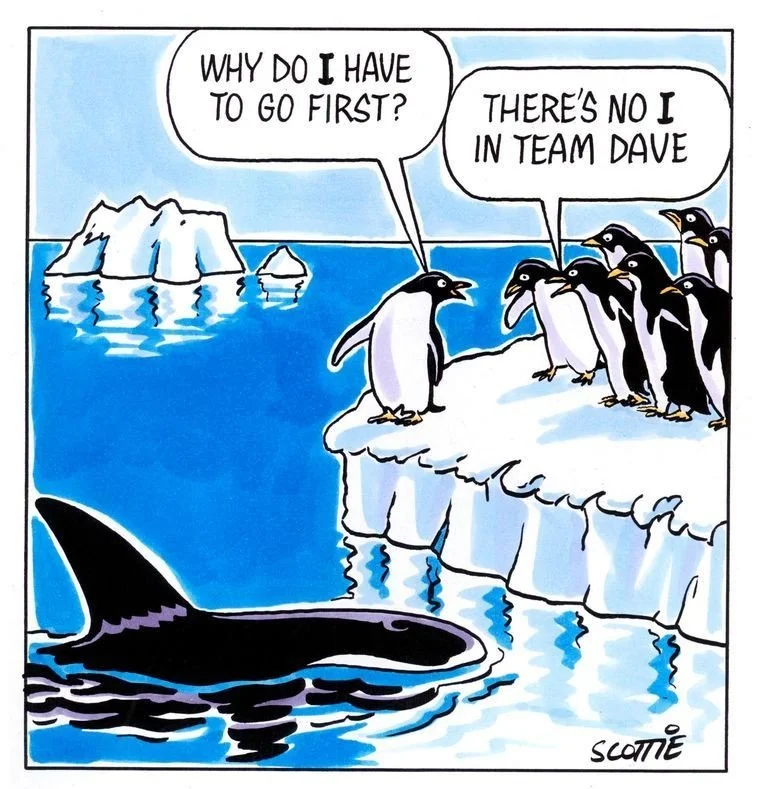
One Operation, One Team reminds us that collaboration is part of operational discipline. People perform better when they respect their colleagues enough to protect shared standards. This week, look for one place where you can help your team see the connection between their role and the success of the operation. Don’t be afraid to ask them what might be holding them back from feeling like a part of a team. After all, it’s these conversations that truly unite us.

Strengthen your understanding of One Operation, One Team by sticking with the following resources. Use this opportunity to note new insights and adhere to practices that will enhance your leadership journey.
Team Synergy & Group Power (Animation) (3:29)
