
Strategic Collaboration: Stronger Together
Part of being a strong leader is knowing what people contribute. Every person has strengths and weaknesses, with valuable insights and potential blind spots. Strategic collaboration uses these differences with purpose, so one person's strength supports another person's weakness. When leaders understand the people they lead, matching their strengths to the challenges, the team becomes stronger together.

Self-Assessment: Strategic Collaboration: Stronger Together
Please take a few moments to contemplate the following self-reflection questions. Where can you identify opportunities for personal growth in your leadership?
Do I involve the right people before decisions are already made?
When others have expertise I don’t have, do I make room for their input?
Do I seek perspectives beyond my immediate role, teams, or department?
Are the quieter voices given an opportunity to contribute in conversations I lead or influence?
When someone challenges my thinking, do I stay focused on improving the decision?
Do I use different strengths well when solving problems?
Do I encourage respectful disagreement when it could reveal risks and improve the outcome?
After receiving input, do I explain how it shaped the final decision?
Remember, this self-assessment is just a starting point for understanding your knowledge of Strategic Collaboration as a leader. It's essential to reflect on your responses and actively work on areas where improvement is needed. Additionally, working with your ECFL Leadership Coach or seeking feedback from a trusted mentor can provide valuable insights into your strengths and weaknesses.
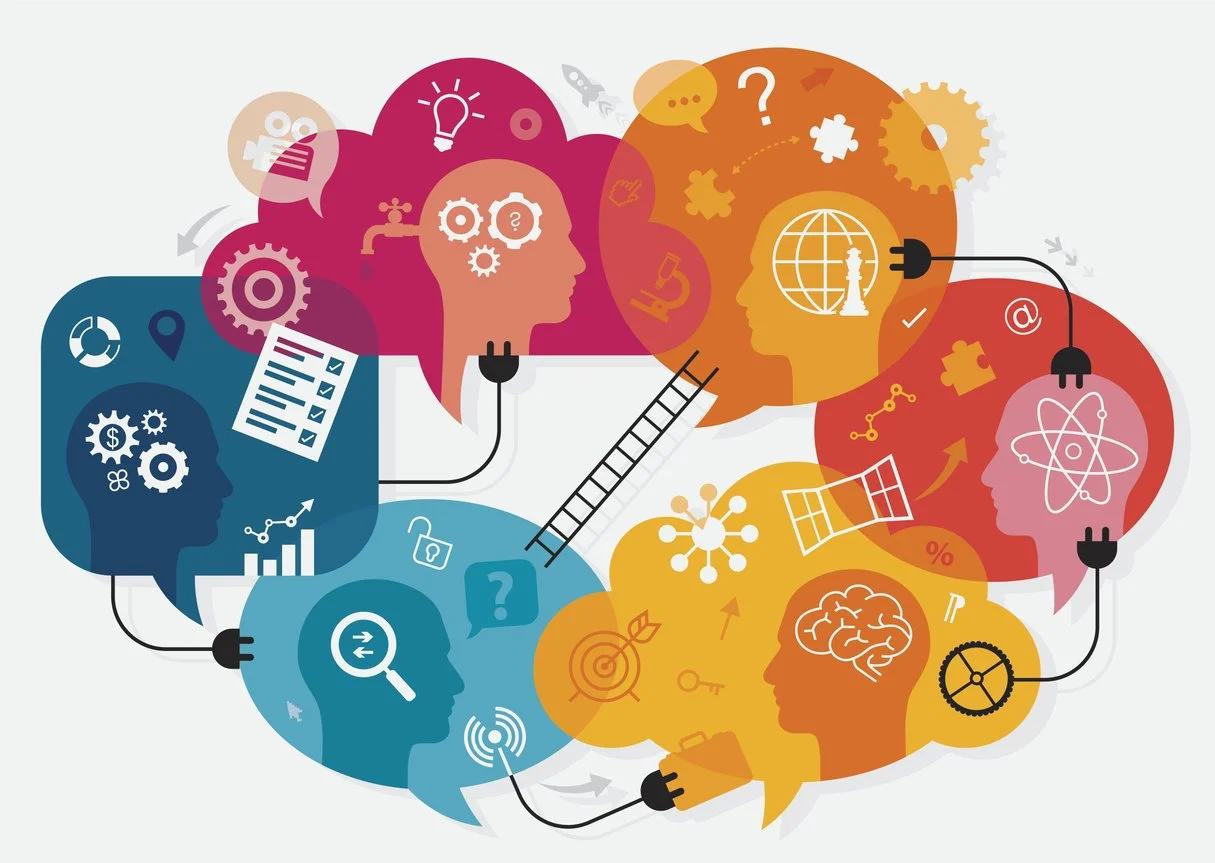

When team members truly collaborate, the results are often stronger than what any individual could accomplish alone. This is the essence of synergy, which comes from the Greek word synergos, meaning “working together.” Synergy happens when each person’s strengths, skills, and perspectives combine to create an impact that goes beyond individual contribution.
Strategic collaboration helps leaders make better use of our teams. Cross-functional collaboration is one example, which brings people from different roles, teams, or departments together to solve shared challenges. One person may understand the technical details, while another may see how a decision affects timing, process, quality, or the customer. Someone else may notice an issue before it escalates into a larger problem. Listening to and leveraging these perspectives helps our teams collaborate more effectively and make better decisions.
Synergy also creates a sense of shared ownership. When team members are able to contribute, they're more likely to stay invested in the result. Their input becomes part of the outcome, giving them the motivation to do their best.

When synergy is missing, the consequences are noticeable. Teams may start seeing issues that affect productivity and morale:
Fewer New Ideas: Without cross-functional collaboration, teams miss out on diverse perspectives, limiting creativity and innovation.
Lower Team Morale: Poor communication and unresolved conflict reduce motivation and enthusiasm.
Slower Problem-Solving: Uncoordinated efforts can make addressing issues fragmented and inefficient.
Poor Productivity: Efforts can become duplicated or poorly coordinated, leading to wasted time and resources.
Misaligned Goals: Without clear alignment, team members may pursue conflicting objectives, resulting in scattered efforts rather than a unified direction.
For example, in an organization without synergy, the marketing, sales, and product development departments might work in isolation. Marketing creates campaigns without understanding product limitations, the sales team sets unrealistic targets without appropriate product support, and development might misunderstand marketing's needs. A disjointed approach results in unmet goals and disconnected efforts, which ultimately weaken the organization's success.
“We are born for synergy, just like the feet, just like the hands, just like the eyes, just like the rows of upper and lower teeth. Working against each other is unnatural, and being annoyed and turning one’s back is counterproductive.”

To understand what strategic collaboration looks like in action, consider two groups of astronaut trainees: Team Solo and Team Skywalker. Both groups have been tasked with developing a life-support system prototype. The challenge is complex, involving key components like oxygen supply, temperature control, and health monitoring.
The Synergy Strikes Back
Team Solo uses a basic teamwork approach. Each specialist focuses on their area: the engineers handle system infrastructure, the biologists manage oxygen production, and the health team monitors crew well-being. Progress is slow and steady, but the effort is siloed. In other words, each part of the work moves forward without much awareness of how it connects to the rest. When unexpected issues come up, the team struggles to integrate last-minute changes into one system.
Team Skywalker takes a more strategic approach. They begin with open-ended discussions, allowing each member to share insights from their areas of expertise. Engineers learn from the biologists that oxygen generation affects cooling, while the health team points out that certain metrics could improve their performance. This exchange of knowledge is what reveals to the group how each part of the system affects the others, and how they can operate as a team to develop the prototype.
Through their combined efforts, Team Skywalker's prototype not only met the functional requirements but pushed energy efficiency beyond what any single discipline could have achieved alone. By integrating the insights they shared across their respective disciplines, they created a more effective and efficient design that set a new standard for the mission.
Team Skywalker's success illustrates the value of strategic collaboration. When people are encouraged to bring different perspectives into the conversation, teams make better decisions. The difference between dividing work and truly collaborating shows up in the result. The team is Stronger Together.

Ask yourself:
What was the biggest difference between Team Solo's approach and Team Skywalker's approach?
Where did Team Solo's collaboration break down, even though each specialist was doing their assigned part?
What does this story show about the difference between dividing tasks and practicing strategic collaboration?
“To put it simply, synergy means ‘two heads are better than one.’ Synergize is the habit of creative cooperation. It is teamwork, open-mindedness, and the adventure of finding new solutions to old problems. But it doesn’t just happen on its own. It’s a process, and through that process, people bring all their personal experience and expertise to the table.”

When people are part of making something happen, they feel more connected to the work and invested in the outcome. Creating that kind of environment also means making it safe for team members to speak up and work through disagreements. Groups that can do that come out of it more united. Here are a few best practices to help you create this kind of strategic collaboration that makes us stronger together.
Best Practices for Strategic Collaboration:
Leverage What Makes People Different: Every team has a mix of backgrounds, experiences, and ways of thinking, and leaders who put those differences to use get better results. When different strengths and perspectives are combined, the outcome is usually something no one person would have produced alone.
Invite Input: No leader has the full picture, and the ones who acknowledge that get better results. Asking for input before decisions are made and staying open to being wrong shows your team that you value their knowledge. People contribute more honestly when they feel their perspective is genuinely welcome.
Normalize Healthy Conflict: A productive disagreement can be one of the most useful things a team does together. People with different experiences and viewpoints see the same situation differently, and those perspectives only come forward when people feel comfortable enough to speak up. Teams that work through disagreement honestly come out of it knowing each other better and working together more effectively.
Encourage Smart Risk Taking: Progress depends on people being willing to try approaches that are not guaranteed to work. When leaders respond to a reasonable risk that did not produce the expected outcome by focusing on what was learned, they make it easier for people to keep bringing initiative and new thinking to the work.
Learn from Experience as a Group: Teams grow faster when they examine their work together rather than leaving reflection to individuals. Taking time after a project or a difficult period to talk honestly about what worked, what to improve, and what to carry forward builds collective knowledge that stays with the group rather than sitting with one person.
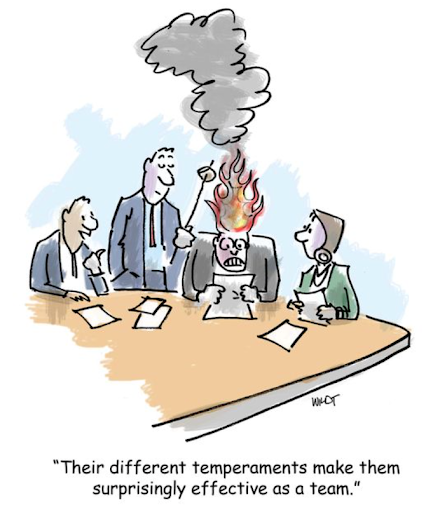
Part of being a good leader means knowing how to draw out the insights and expertise people bring, while also creating the space for honest questions and challenging perspectives. Team Skywalker didn't have the Force on their side, but they did have leaders who knew how to use what everyone brought to the table. This week, challenge yourself to identify where your team and colleagues may already be strategically collaborating, and note how you can encourage more of it.

Strengthen your understanding of Strategic Collaboration: Stronger Together by sticking with the following resources. Use this opportunity to note new insights and adhere to practices that will enhance your leadership journey.
How to Create a Collaborative Culture
Gallup
Synergy “speech” (2:53)
In Good Company (2004)