
Psychological Safety
Psychological safety is the shared belief that people can speak honestly without fear of embarrassment, punishment, or damage to their credibility. Amy Edmondson, a Harvard Business School professor known for her research on psychological safety, describes it as “felt permission for candor.” This phrase connects psychological safety directly to engagement because engaged people bring enough interest and ownership to speak honestly when something needs attention.
A person may recognize a mistake early or see a concern others have not named. They may understand that something needs attention, but still not feel safe enough or invested enough to speak up. When people are hesitant to engage, the issue may not be awareness alone. Speaking up in these moments requires both communication skills and courage. Candor can carry social risk, especially when the message may challenge decisions or interrupt a process that has already begun.
Psychological safety helps employees take that risk because people are more likely to speak honestly when they trust that their concerns will be handled respectfully. When the teams we lead are courageous and candid, their engagement helps protect the habits that support operational discipline.

Self-Assessment:
Psychological Safety
Please take a few moments to reflect on the following questions. Where can you identify opportunities for growth in your leadership?
Do team members feel safe disagreeing with me or challenging the status quo?
Do people feel safe acknowledging errors early, or do they hide them?
Have I made it clear that it’s okay not to have all the answers, and do I model that myself?
Do I regularly invite input from all voices, including those who are quieter or less confident?
Do I ask for feedback on my leadership and use it to improve how I lead?
Do I recognize and reward behaviors that reflect vulnerability, curiosity, and thoughtful risk-taking?
Have I established clear expectations that support respectful dialogue and inclusive collaboration?
Would my team describe our environment as one where they can be themselves without fear of judgment or retaliation?
This self-assessment is a starting point for understanding Psychological Safety as a leader. Reflect on your responses, identify areas for growth, and use feedback from others and your ECFL Leadership Coach to guide your development.


Psychological safety is created through the choices we make every day as leaders. We create this kind of environment through our responses, expectations, and behaviors. These choices affect how safe people feel speaking up, especially when doing so challenges the status quo.
Where do we begin?
We start with authenticity. Psychological safety depends on genuine connections and relationships, so we as leaders should be transparent in how we communicate. We also need to stay intentional with our curiosity, especially since stress and time constraints can make it easier to move on without asking questions.
There is also a temptation to move straight into business without stopping to consider what others may be dealing with, both in and out of the office. If we want our employees to be engaged, we must show that same interest to them in return.
Additionally, we need to model the same openness we expect from others. When people see a leader who acknowledges uncertainty, isn’t afraid to ask for input, is proactive in responding to feedback, and takes accountability for their mistakes, we serve as examples that it’s safe to do the same.
“Psychological safety does not mean that you feel comfortable all the time. Psychological safety means you feel comfortable talking about what makes you uncomfortable.”
Here's what that looks like in action:
Listen more than you talk. Be fully present when others speak. Ask, “What do you think?” and actively listen to the response.
Admit when you don’t know something. Acknowledge uncertainty without treating it as weakness. Saying, “I’m not sure. What do you all think?” shows that honesty and leadership can exist together.
Respond with curiosity. Mistakes and tension can put psychological safety to the test. When someone brings you a concern or something goes wrong, try asking, "Can you help me understand what happened?" rather than reacting with blame or frustration.
Appreciate ideas, even the unpolished ones. Early ideas may need more thought before they become useful. A leader can keep the conversation open by saying, “That’s interesting. Let’s explore it.”
Normalize feedback. Offer feedback respectfully and invite it in return. By asking, “How can I improve?” we show that feedback needs to work in both directions.
Treat failure as information. When something doesn’t work as expected, good leaders ask what that experience can teach us. Treating failure as part of learning can help our people stay honest when things go wrong.
Small behaviors such as these can help create a psychologically safe team and organization, but they take time and consistency. Consider which of these behaviors already appear in your leadership and which ones could benefit from more practice.

Sometimes, we hold back from speaking up because we try to predict how others will respond before the conversation even happens. Our minds can create stories about what might happen before we even try to speak up.
For example, asking a clarifying question might feel like admitting we don’t understand the issue. A concern about a risky or time-consuming change may feel like criticism before we ever say it out loud. A different perspective can feel like conflict before the conversation even begins. Without challenging these assumptions, questions, ideas, and concerns that could have made a difference may never get shared with the team.
We can challenge this pattern through a process called cognitive reframing, which allows us to examine these fears from a more balanced perspective.
For example, if you worry, "People might think I don't understand the issue."
Remind yourself that asking a question may help someone else understand the issue too.
Replace: My idea may sound unrealistic if I can't explain it clearly.
With: Sharing a rough idea can give others something useful to build on.
Replace: "Someone may see me as difficult if I question this process."
With: Questioning a process can help people decide whether the current approach still fits.
Replace: "I may look unprepared if I admit I don't know the answer."
With: Admitting uncertainty can make the conversation more honest.
Replace: "People may think I'm criticizing their decision if I suggest another approach."
With: Suggesting another approach can help people compare options more carefully.
Replace: "I may make things awkward if I say what others are avoiding."
With: Naming a concern can give the group a clearer starting point.
Reframing doesn’t guarantee that conversations will go smoothly, but practicing this skill can make it easier to challenge harmful assumptions before they keep us silent.
“Before you are a leader, success is all about growing yourself. When you become a leader, success is all about growing others.”
As leaders, we may be presented with an unfinished idea or receive difficult feedback. We may not even realize that we’re discouraging candor with our responses, but the way we react in these moments determines how safe people feel the next time they come to us.
Just as we can work on reframing our own worries, we can also be intentional in our leadership by responding in ways that reinforce psychological safety.
For example:
When you normally say: "That won't work."
Try: "Help me understand what you see that I may be missing."
When you normally say: "Why didn't you catch this sooner?"
Try: "Let's understand what happened and what needs to happen next."
When you normally say: "We already tried that."
Try: "What feels different about this situation now?"
When you normally say: "I don't have time for this right now.”
Try: "I want to give this the right attention. Let's set a time to talk through it."
When you normally say: "That's not your concern."
Try: "Tell me what made this stand out to you."
These responses help leaders create room for others to show candor. When we choose language that keeps our conversations open, our employees are more likely to share the kind of vital information that helps the team make better decisions.

Psychological safety helps people find the courage to take the social risks engagement requires. We need to encourage our teams to ask questions, voice concerns, admit mistakes, ask for help, and offer different perspectives without fear or hesitation. Here are some best practices to help create this kind of safety:
Model Vulnerability: Psychological safety often begins with the leader’s willingness to be open. Acknowledging when you do not have the full picture, sharing your own learning moments, or inviting a different perspective signals that certainty is not a requirement for credibility. When leaders demonstrate that they are still learning, others feel more comfortable admitting the same.
Respond with Curiosity: Moments of stress will reveal an organization’s culture more clearly than planned meetings ever will. When someone surfaces a concern or challenges a direction, how you initially respond is important. Offering a measured, thoughtful reply communicates that honesty is valued. Conversely, a rushed or dismissive reaction teaches people to filter themselves. The goal is not to agree with every viewpoint, but to create space where viewpoints can be voiced.
Make It Easy to Raise Concerns: Many teams develop the habit of waiting until they are certain before speaking up. That hesitation often comes from past experiences where vulnerability felt costly. Leaders can influence this behavior by how they handle errors. When conversations about mistakes focus on understanding and learning, rather than blame, people are more likely to raise issues while they are still manageable.
Create Room for Every Voice: Each team has voices that naturally fill the room and others that remain quieter. Psychological safety is reflected in whether a range of perspectives is present in the discussion. Paying attention to who contributes regularly and who does not can reveal patterns that need attention. Inviting input directly and creating space for reflection allows more people to participate.
Keep Conversations Focused on Work: Healthy conflict is part of thoughtful collaboration, but it’s the way those disagreements are framed that’s important. When the discussion stays centered on the work itself, differences become easier to navigate. Leaders who guide conversations back to the issue, rather than the person, help create an environment where honesty feels constructive rather than personal.
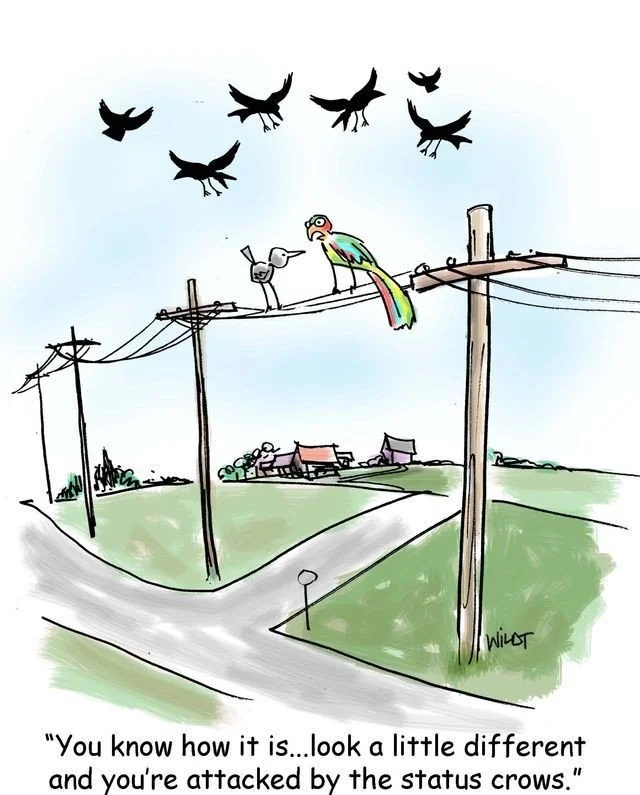
When leaders cultivate psychological safety, team members feel empowered to challenge the status quo without being labeled difficult and to offer imperfect or unproven ideas without fear of ridicule. This kind of environment, marked by candor, courage, and honest dialogue without retribution, is the foundation for engagement. People are more likely to care when they feel like a valued member of the organization, as both an employee and an individual.
Think about the last time someone came to you for help or clarification. How did you reply? Were you in a hurry or in the middle of another task, and did that affect your response? This week, try to make space for the next person who comes to you with a concern, regardless of the circumstances. How can you make sure they feel comfortable speaking up?

Strengthen your understanding of Psychological Safety by sticking with the following resources. Use this opportunity to note new insights and adhere to practices that will enhance your leadership journey.