Continuous Improvement
Quality requires ongoing attention, not just the right systems in place. Most daily issues are routine and recurring, and they respond better to consistent effort and small adjustments than to large structural changes. That is the foundation of Continuous Improvement. Rather than asking what needs to change when results fall short, the more useful question is what it looks like when things are working, and what it takes to maintain it.
Small adjustments made repeatedly build on each other in ways that a single large effort rarely does, because each improvement creates the conditions for the next one. Leaders who understand this approach their operations differently, looking for what can be better and acting on it consistently. Each small success creates momentum that makes the next improvement easier to attempt.
Self-Assessment:
Continuous Improvement
Please take a few moments to contemplate the following self-reflection questions. Where can you identify opportunities for personal growth in your leadership?
Do I treat improvement as an ongoing practice, or do I address it mainly when something goes wrong?
When a process is working well, do I still look for small ways to strengthen it?
Do I model incremental improvement in my own leadership behavior, or do I expect it primarily from my team?
When someone on my team identifies a small inefficiency, do I follow through with a clear next step?
Do I review performance trends on a consistent schedule, or do I tend to check in only when numbers are flagged?
Have I created an environment where raising a minor concern feels as welcome as raising a major one?
Do I recognize effort and follow-through in improvement work, or do I focus recognition primarily on outcomes?
When a change is made, do I confirm whether it actually improved the result before moving on?
Remember, this self-assessment is just a starting point for understanding your knowledge of Continuous Improvement as a leader. It's essential to reflect on your responses and actively work on areas where improvement is needed. Additionally, seeking feedback from others and working with your ECFL Leadership Coach can provide valuable insights into your strengths and weaknesses.
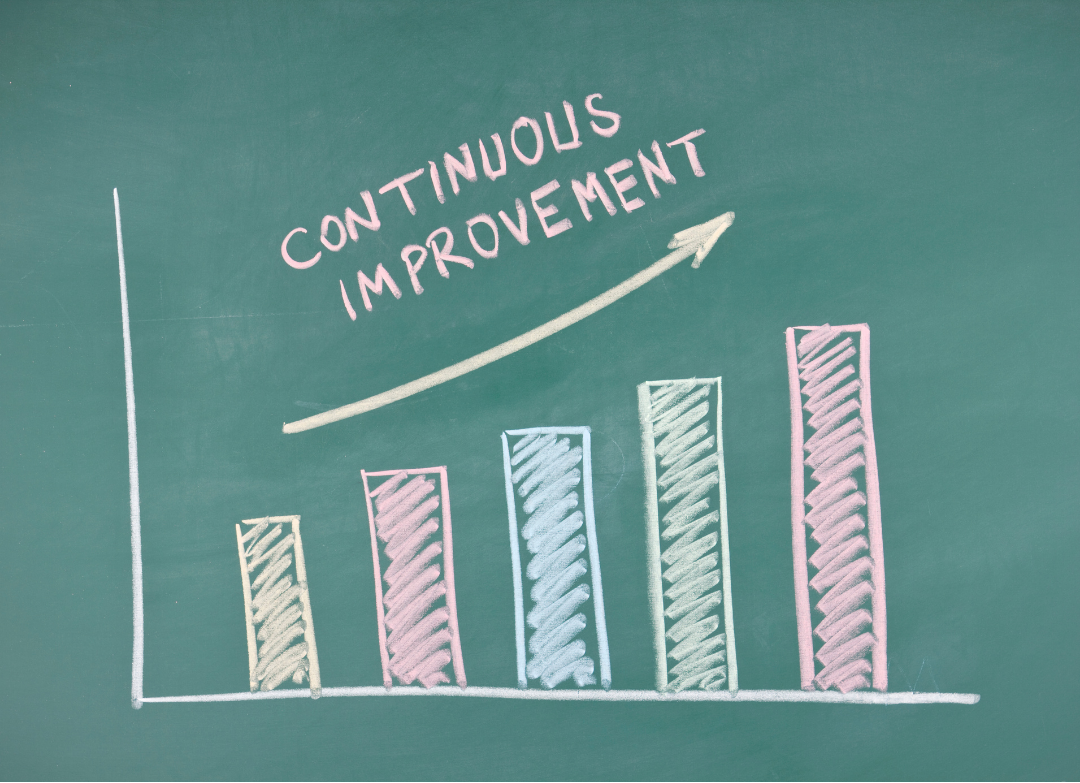

There is a natural human tendency to equate the size of a change with its value. When people decide to lose weight, build a business, take up a new hobby, or learn a skill, the instinct is to set an ambitious goal and pursue it aggressively, as though the scale of the effort is what makes it meaningful. That inclination shows up in organizations the same way it does in personal life. Large, dramatic interventions can generate momentum, yet they often create burnout and resistance, and the results rarely outlast the effort required to produce them.
Research and experience suggest that small, consistent improvements are easier to maintain and produce longer-lasting results. Incremental improvement works because it does not ask teams to abandon what they already know. Instead, it asks them to build on what already works, improving it slightly and sustaining that effort over time. That repetition builds momentum, as each small success makes the next improvement easier to attempt. Progress, even when modest, reinforces the behavior that created it.
This pattern shows up in leadership as well. A leader who reflects after a difficult conversation, makes a minor adjustment, and repeats that process over months will grow more effectively than a leader who attends an intensive workshop and returns to the same habits once daily pressures and competing priorities take over. Small, deliberate changes made consistently create lasting improvement.
“Practice the philosophy of continuous improvement. Get a little bit better every single day.”
Continuous improvement requires consistent attention from leaders to stay on course. When it stalls, the cause usually reflects a few recognizable patterns:
Leadership commitment: Improvement efforts tend to lose focus when leaders stop modeling the behavior they expect from others or stop following up once an initial change has been made.
Maintaining momentum: The very nature of continuous improvement is that it’s ongoing, so people can lose steam when priorities start to compete, or setbacks show up.
Resistance to change: When improvement is framed as criticism rather than growth, people tend to receive it defensively. A culture where small adjustments feel like a normal part of the work takes time and consistent messaging from leadership to build.
Recognizing these patterns early makes them easier to address before they interrupt the progress that's already been made.
Understanding continuous improvement requires understanding what it is not. Both continuous improvement and process improvement are legitimate approaches to strengthening quality, and leaders who know the difference are better positioned to choose the right one for the situation at hand.
Process improvement focuses on making significant, targeted changes to how work gets done. It tends to be goal-oriented and time-bound, with a defined beginning and end.
Best applied when a process is broken, outdated, or producing results that fall well short of the standard.
Involves deliberate redesign, often with cross-functional input.
Produces visible, measurable change over a relatively short period.
Continuous improvement works differently. Rather than overhauling the entire process, it focuses on making small, incremental adjustments over time to protect and strengthen what is already working.
Works best when the standard is established and the focus is on maintaining or building on it over time.
Relies on observation and small adjustments made regularly.
Produces results that accumulate gradually and tend to last.
Most people intuitively understand that not every problem calls for the same response. Knowing which approach fits the situation is a skill, and it is just as relevant in leadership as it is anywhere else. An old Aesop's fable illustrates the spirit of continuous improvement better than most definitions can.
The Crow and the Pitcher
A Crow, half-dead with thirst, came upon a Pitcher which had once been full of water; but when the Crow put its beak into the mouth of the Pitcher he found that only very little water was left in it, and that he could not reach far enough down to get at it. He tried, and he tried, but at last had to give up in despair. Then a thought came to him, and he took a pebble and dropped it into the Pitcher. Then he took another pebble and dropped it into the Pitcher. Then he took another pebble and dropped that into the Pitcher. Then he took another pebble and dropped that into the Pitcher. Then he took another pebble and dropped that into the Pitcher. Then he took another pebble and dropped that into the Pitcher. At last, at last, he saw the water mount up near him, and after casting in a few more pebbles he was able to quench his thirst and save his life.
Little by little does the trick.

The lesson of this fable is simple and often overlooked. No single pebble solved the crow’s problem, yet each one was essential. Adding them one by one did not look like significant progress in the moment, and the results took time to appear, making it reasonable to consider giving up before the water rose. Leaders who prioritize quality through continuous improvement recognize that the discipline it requires is what makes it effective.
“Continuous improvement is not about the things you do well, that’s work. Continuous improvement is about removing the things that get in the way of your work. The headaches, the things that slow you down, that’s what continuous improvement is all about.”

Continuous improvement becomes part of a team’s routine through a few consistent habits applied regularly. Here are some best practices that can help make a difference:
Track What Matters: Identify a small set of measures that reflect quality and consistency in your area of responsibility. Each measure should connect to outcomes that matter, such as where errors tend to occur, how often work is repeated, common bottlenecks, or where quality begins to decline. A short list used consistently is more effective than a long one that gets ignored.
Standardize Processes: When a process works, document it clearly enough that someone else can follow it without additional explanation. This reduces variation across people and handoffs and makes quality easier to sustain. When the work changes, update the documentation so it remains accurate.
Monitor Results: Review performance on a consistent schedule and look for patterns over time rather than reacting to isolated fluctuations. Note what changed after each improvement effort to determine whether it strengthened the result. Staying close to the data helps leaders see what is working and where attention is needed next.
Encourage Ownership: Invite people at every level to identify problems and suggest fixes. When someone brings an issue forward, respond with curiosity and follow up with a clear next step. Participation increases when people see their input lead to action.
Promote Experimentation: Try small, low-risk tests before changing an entire process. Be clear about what people are allowed to try, then follow up on the outcome. If the change improves quality or reduces rework, expand it gradually. If it does not, note what you learned and move forward without assigning blame.
Acknowledge Progress: Recognize your team's effort and follow-through, not just their end results. Share what the experience revealed and how it will inform the next step. People are willing to raise problems early when they know doing so is valued.
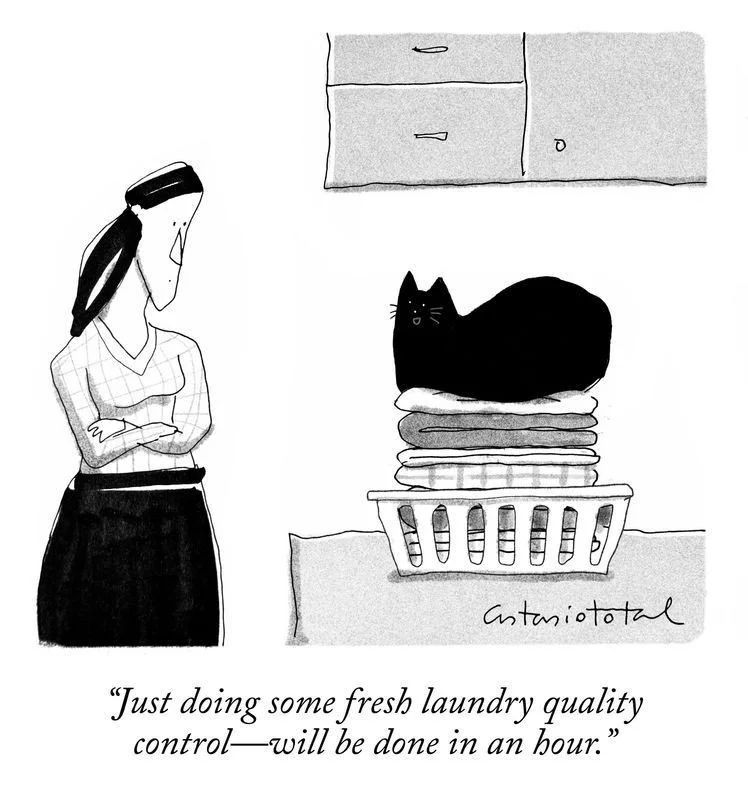
Quality establishes the expectation, and continuous improvement keeps that expectation present in daily work. Every leader oversees processes that can benefit from thoughtful refinement. This week, choose one process and explore a small adjustment that builds on what is already working.

Elevate your understanding of Continuous Improvement by taking flight with the following resources. Use this opportunity to navigate, uncover, and expand the horizons of your leadership influence.
Implementing Continuous Improvement Strategies for Sustaining Excellence
Continuous Improvement: Make Good Management Every Leader’s Daily Habit