Module Eight: Courage

As I talk with leaders from diverse backgrounds and opinions, there are two things on which everyone can agree. Now more than ever, we need wisdom and courage.
As leaders, it is vital that we do not allow our emotions to diminish our wisdom and courage. Wisdom brings the ability to know when to speak up, or when to keep quiet. Courage brings the choice to overcome fear and act or to have the strength to step back when necessary. I’m not sure which is the hardest: speaking up and taking action or stepping back and using discipline. There is a time for both.
It starts with those we lead and love. Maybe we need to take the time to truly hear those around us. Maybe we need to exercise the wisdom that will allow us to align our behavior with our values.
We need leaders who are not afraid to listen. We need men and women who are willing to lead with their behavior and not just their words.
Choose to lead with wisdom and courage, and you will make a difference.
Larry Little
Eagle Center for Leadership
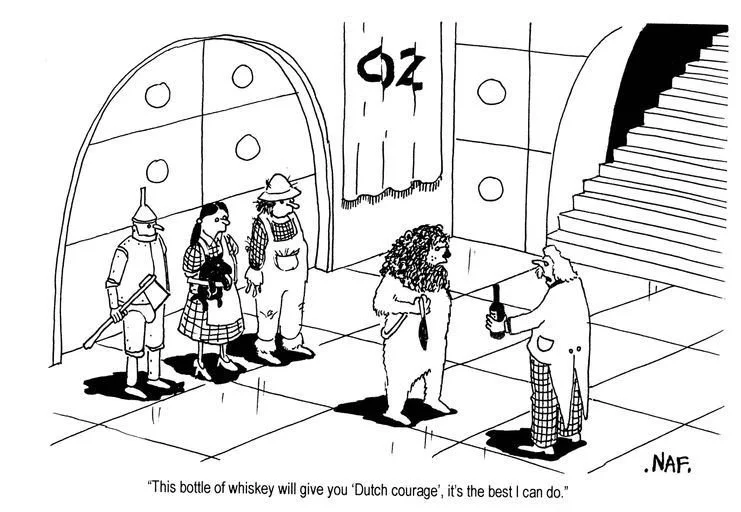
Fairy tales taught many of us to recognize Courage long before we had to practice it ourselves. We saw it in heroes, in quests, and in characters like the Cowardly Lion, who spent most of The Wizard of Oz believing he was a coward.
Courage in our professional lives can look less obvious than that, especially in office settings where the risks are often relational instead of physical. Even so, good leadership depends on it. Courage shows up in honest feedback, difficult decisions, speaking up when something feels wrong, and taking responsibility when the outcome is not guaranteed.
By itself, courage can move us to act, but it is integrity that helps us act for the right reasons and in the right manner. In leadership, that can mean choosing honesty over comfort or responsibility over avoidance. In the case of the Cowardly Lion, his courage was important, but it was the integrity of his heart that shaped what he did with it in the end.
“Courage is not the absence of fear, but the triumph over it. The brave man is not he who does not feel afraid, but he who conquers that fear. ”
In this module, we explore courage in three lessons: A Monster Called Fear looks at the way fear shapes our choices and how integrity helps us respond with honesty instead of avoidance. Creating a Courage Culture focuses on the kind of environment leaders create when they respond to honesty, questions, and concerns with fairness and respect. Strategic Courage examines how leaders take risks with care and make decisions they can stand behind. Let’s get started!