Defining Quality
Leaders talk about Quality often, yet teams can hold very different ideas about what that word actually means. Without a shared definition, people rely on personal judgment, past experience, or informal guidance to decide whether work is complete. Over time, those differences show up in the final results.
Defining Quality requires leaders to set clear, measurable standards. External expectations shape those standards, including what customers, partners, regulators, or stakeholders count on the organization to deliver. Leadership translates those expectations into guidance teams can understand and apply in daily work.
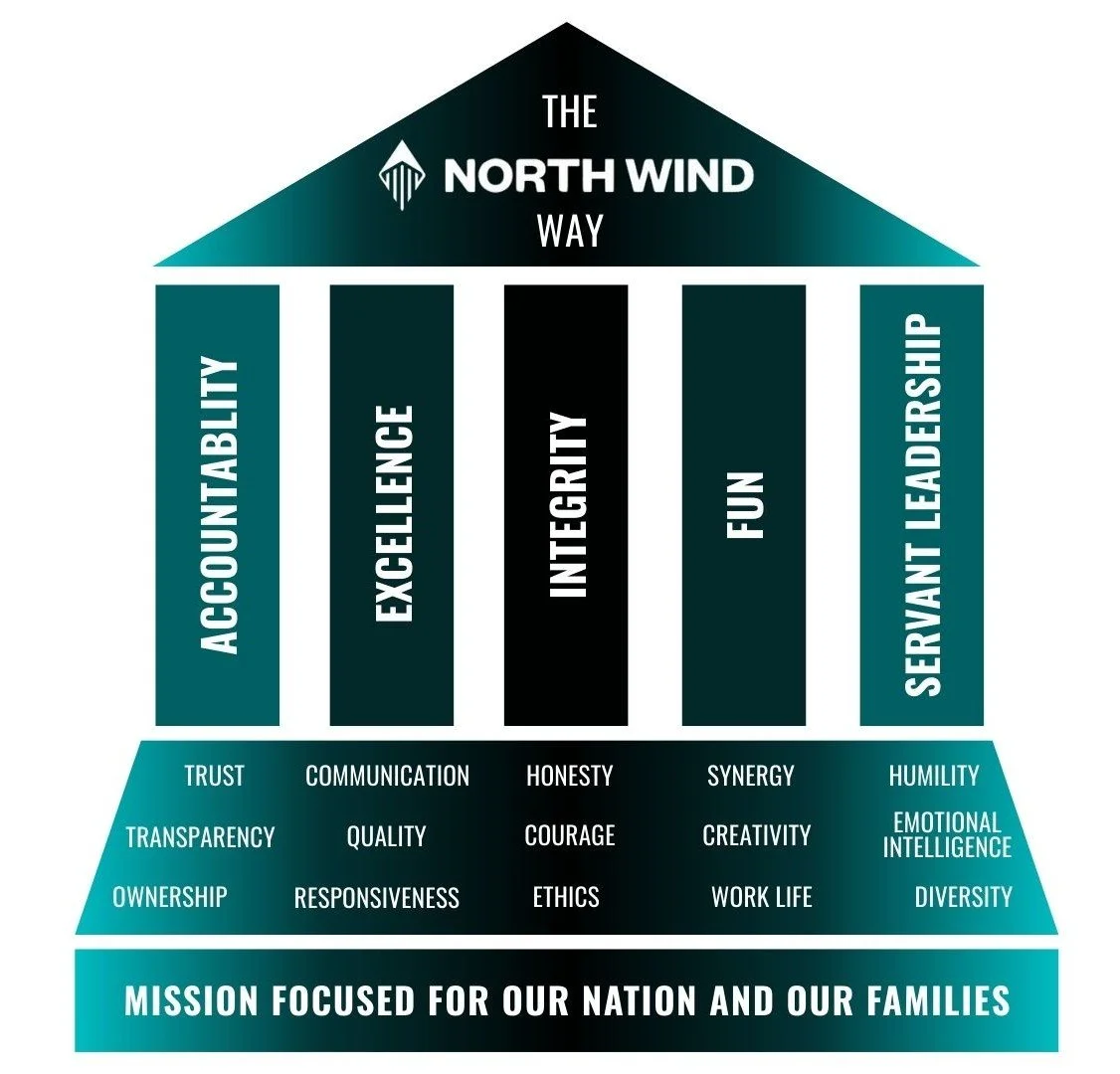
A defined standard for Quality explains what “done” looks like in practical terms. When that guidance is specific and easy to access, people can apply it consistently without needing to interpret what the requirement calls for. Excellence builds on this foundation and begins with a standard that is clear enough for the whole team to apply. When the definition of Quality is understood, excellence becomes a choice anyone can make.

Self-Assessment:
Defining Quality
Please take a few moments to contemplate the following self-reflection questions. Where can you identify opportunities for personal growth in your leadership?
Can I clearly explain what “meets the requirement” looks like without using vague language?
Do I know exactly where our quality requirements come from?
Have I confirmed that my team understands the standard in the same way I do?
Are our procedures current and aligned with how the work is actually performed?
When results fall short, do I require a root cause analysis rather than accepting a quick fix?
Do I ensure people have the time, tools, and guidance needed to meet the standard?
Do I regularly review whether we are meeting customer or stakeholder expectations?
Have I clearly assigned ownership for protecting the standard in each critical step?
Remember, this self-assessment is just a starting point for understanding your knowledge of Quality as a leader. It's essential to reflect on your responses and actively work on areas where improvement is needed. Additionally, seeking feedback from others and working with your ECFL Leadership Coach can provide valuable insights into your strengths and weaknesses.

Most standards originate outside the team. Customers, partners, and regulators all carry expectations about what the work should deliver, and leadership is responsible for translating those expectations into guidance people can understand and apply. When that translation is clear, people have a reliable reference point. When it is not, they work from memory, old documents, or whatever version of the instructions they happen to have. Different people following different references produce inconsistent results.
Centralizing where standards live addresses this challenge directly:
Maintain requirements, specifications, procedures, and approved references in one accessible location.
Retire outdated versions so people are not working from incorrect information.
Direct questions back to the approved source so answers remain consistent across people and shifts.
KPIs make performance visible over time and allow leaders to see whether standards are being met in daily operations. The judgment involved in selecting them matters as much as tracking them. Useful indicators connect to outcomes people recognize:
Defects or error rates
Rework frequency
Delays at critical steps or handoffs
Customer complaints or returns
“Quality is the result of a carefully constructed cultural environment. It has to be the fabric of the organization, not part of the fabric.”
Tracking too many numbers spreads attention across measures that may not matter. Tracking too few allows problems to accumulate before anyone has a clear view of them. A metric only functions well when everyone measures it the same way, uses the same approved data source, and reviews it on a consistent schedule.
Standards also need to reflect what customers are actually counting on while remaining aligned with the organization's direction. When measures focus on activity rather than results, teams are more likely to stay busy because they feel pressure to demonstrate effort, even if that effort does not improve performance. Leaders who keep expectations explicit, clarify ownership, measure what matters, and correct performance issues early maintain the consistent quality customers expect.
For leaders, defining the requirements for quality is only the beginning. Once expectations are clear, the work itself must be structured to produce the same result each time it is performed. The process needs enough specificity that multiple people can follow it and arrive at a consistent outcome across roles and experience levels.
Ownership is what holds that structure together. Each step in the process requires a clearly identified owner, with “complete” defined before work moves forward. When accountability is assumed rather than explicitly assigned, miscommunications and missed handoffs often mean the work doesn’t get done.
Leaders reinforce quality by building deliberate review points into the workflow, where work is checked against the standard before it is allowed to advance. Without that checkpoint, issues surface later, often after they have reached a customer or require rework, increasing both time and cost.
When outcomes fall short, leaders should first confirm that the requirement was clear and that ownership and verification were built into the process. Most performance gaps trace back to one of these breakdowns. Unclear ownership is a common source of inconsistent results and often makes situations look more complicated than they are. The scenario below illustrates how that can play out.
The Weight of Ownership
The Blue Ridge Materials Division begins missing the labeled weight on its Falcon Blend industrial powder shipments, a requirement that had been met consistently for several quarters. The discrepancy is small, but customers begin reporting that the delivered weight does not match the shipping documentation. Because the product is invoiced by weight and subject to regulatory labeling requirements, even minor differences require billing adjustments and raise compliance concerns, prompting an internal review.
Initial conversations focus on packing accuracy, as leaders assume warehouse staff may not be following procedures closely enough. However, when the data is reviewed, leaders notice the recorded weights have been gradually trending upward over several weeks rather than changing all at once.
A closer look reveals that the digital scale used to verify final shipment weight had not been formally recalibrated after a recent equipment replacement. Daily weigh-checks were still being performed, but no one had been clearly assigned responsibility for validating that the scale itself remained accurate after installation.
What first appeared to be a frontline execution issue is traced to unclear ownership of the verification step. The requirement had not changed, but accountability for protecting it had not been clearly reassigned, allowing an avoidable error to reach the customer.

Reflect on the scenario and ask yourself:
Before the customer raised the concern, what should leadership have confirmed about ownership of scale calibration and shipment verification?
When responsibilities changed, was accountability for validating the measurement system clearly reassigned, documented, and reviewed, or was it simply assumed?

“‘We installed quality control.’ No. You can install a new desk, or a new carpet, or a new dean, but not quality control. Anyone that proposes to ‘install quality control’ unfortunately has little knowledge about quality control.”
The issue at Blue Ridge stemmed from unclear ownership and incomplete verification after the equipment change. Such breakdowns rarely result from a single mistake and instead occur when requirements, accountability, and review points are not deliberately built into the process. These best practices help leaders reinforce quality in daily operations.
Best Practices for Maintaining Quality:
Stay Engaged: Leadership involvement cannot be delegated. Remain directly engaged in defining standards and verifying that they are applied as intended. Ensure people have the time, tools, and guidance required to meet the requirement, and address barriers such as unclear ownership or inconsistent workflows. Priorities and decisions should consistently reflect that meeting the standard is non-negotiable.
Clarify the Process: Define work steps with enough specificity that two different people can perform the task and reach the same result. Assign ownership for each step and define what “complete” means before work advances. Build a deliberate review point into the workflow where results are checked against the requirement before they move forward, reducing the likelihood that errors surface later.
Keep Procedures Current: Ensure that procedures, forms, and work instructions are easy to find and clearly up-to-date. When something changes, update the document, communicate what changed, and retire the old version to avoid confusion. This reduces rework, saves time, and keeps work consistent across employees.
Practice Risk-Based Thinking: Get in the habit of asking where things are most likely to go wrong and what the impact would be if they do. Focus extra attention on the highest risk steps, materials, or handoffs, and put safeguards in place early. Staying ahead of the game means fewer surprises and an easier time maintaining quality when a crisis strikes.
Listen and Respond: Stay clear on what customers expect and translate those expectations into requirements people can follow. Collect feedback in a structured way and respond with visible follow-through, clarifying what was adjusted and why. Connecting performance measures to real customer impact reinforces the purpose behind the standard and strengthens team accountability.
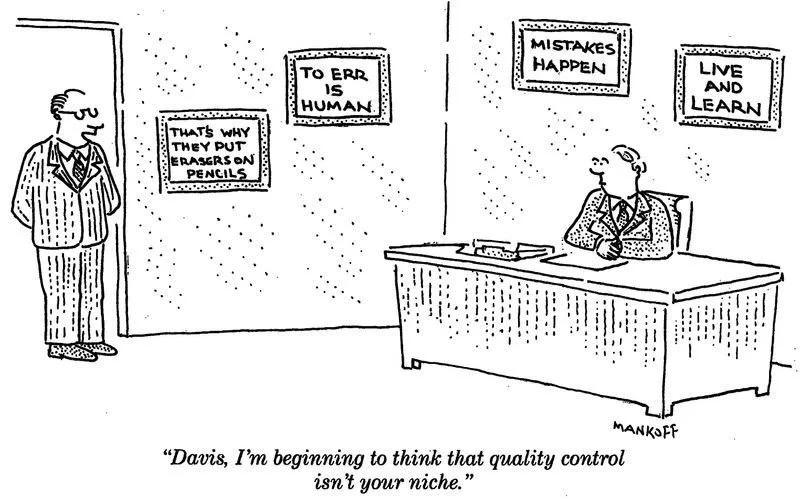
Quality defines what must consistently be delivered, and that consistency builds credibility. The way work is documented, decisions are recorded, and changes are managed shapes whether results can be trusted beyond the initial team. Careful execution and clear records support confidence across functions and allow efforts to move forward with fewer surprises.
This week, consider one process under your responsibility and reflect on how clearly its methods and decisions are documented. Identify one area where additional clarity could strengthen confidence in the results.

Elevate your understanding of Defining Quality by taking flight with the following resources. Use this opportunity to navigate, uncover, and expand the horizons of your leadership influence.
Understanding Quality and Excellence in Business: Key Concepts and Differences