EQ: The What
Leadership requires more than technical skill. Many leaders step into their roles after proving themselves through hands-on work, problem-solving, and persistence. As responsibilities grow, the role begins to evolve. Knowing how to do the work is still important, but the focus now turns to guiding others with clarity, composure, and sound judgment. That change calls for a different kind of strength: emotional intelligence.
The good news is that you can build your emotional intelligence over time. Like a muscle, it strengthens with repeated use. Daniel Goleman, who helped bring EQ into leadership discussions, compares it to getting physically fit. It takes regular habits, practice, and intention. With time, that practice influences how you work with others and how you lead.
Self-Assessment:
EQ: The What
Please take a few moments to reflect on the following questions. Where can you identify opportunities for growth in your leadership?
Do I regularly stop to consider how my emotions affect my judgment and decisions?
How effectively do I manage my emotions, especially in challenging or stressful situations?
Am I aware of how my tone and behavior affect the people I work with?
When listening, do I stay focused on the other person’s perspective without jumping to conclusions?
Do I express empathy in a way that feels honest and natural—not forced or performative?
Can I name the values or goals that drive me as a leader?
Do I feel a clear sense of purpose in my work, even when the day-to-day gets busy?
Am I committed to strengthening my emotional intelligence as a leader?
This self-assessment is a starting point for understanding your Emotional Intelligence as a leader. Reflect on your responses, identify areas for growth, and use feedback from others and your ECFL Leadership Coach to guide your development.
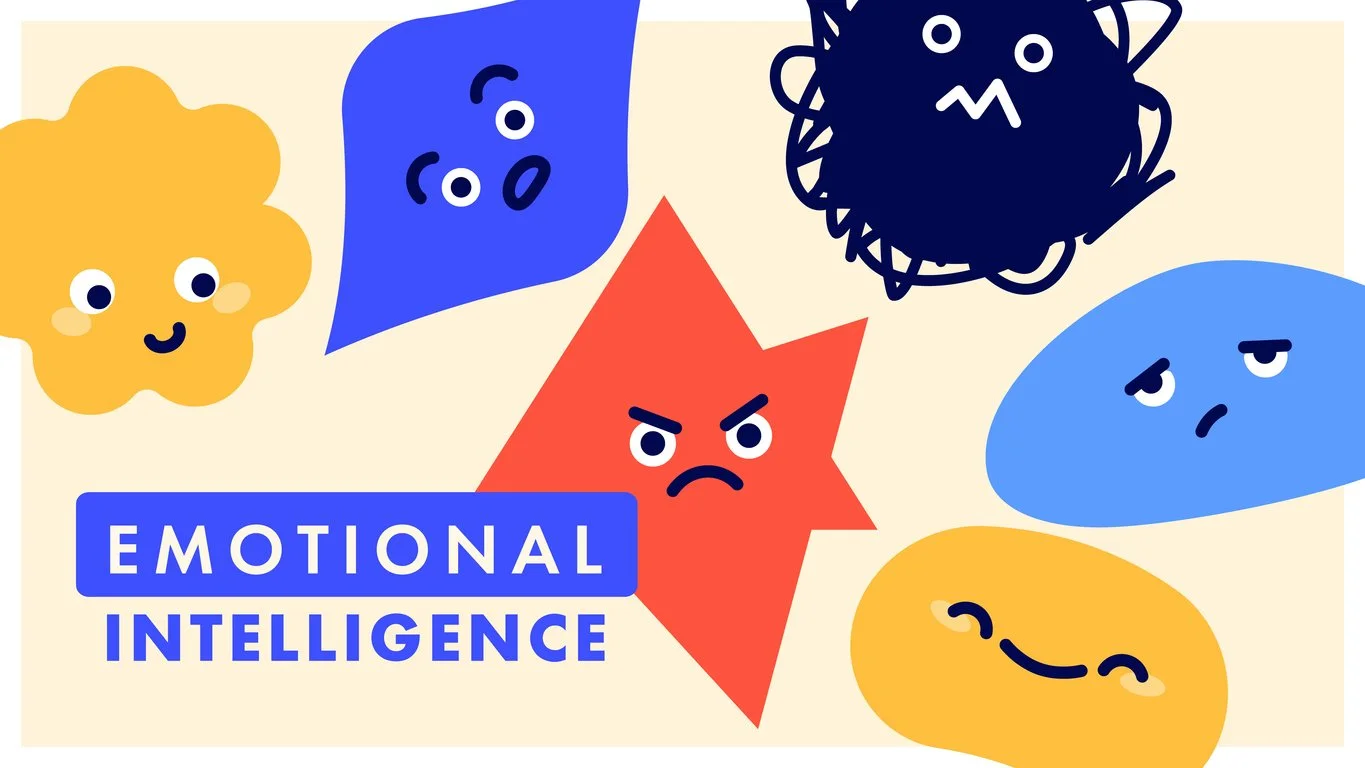

Emotional Intelligence (EQ) is the ability to understand and manage your emotions, as well as recognize and respond effectively to the emotions of others. First defined by researchers John Mayer and Peter Salovey in 1990, EQ became widely known thanks to Daniel Goleman, who highlighted its importance for leadership in his 1998 Harvard Business Review article, What Makes a Leader. He explained that while IQ and technical skills are important, EQ is what sets great leaders apart.
Developing emotional intelligence strengthens relationships, supports better decision-making, and helps you turn intention into action. It also helps leaders recognize what drives them, manage their responses, and understand how their behavior affects the people around them. Over time, those skills help leaders respond with more intention instead of reacting out of frustration or habit.
“When a man is prey to his emotions, he is not his own master.”
There are four key components of EQ:
Self-Awareness: Knowing what you feel, why you feel it, and how it shapes your behavior.
Self-Management: Handling your emotions in a way that supports clear thinking and leadership.
Social Awareness: Paying attention to the tone, needs, or energy in a conversation and adjusting your response.
Relationship Management: Communicating clearly, handling tension with care, and building trust over time.
You’ll go deeper into each of these in the next session. For now, consider how emotions can provide useful information about what matters to you and how situations are affecting the people around you.
Emotional Intelligence in Action
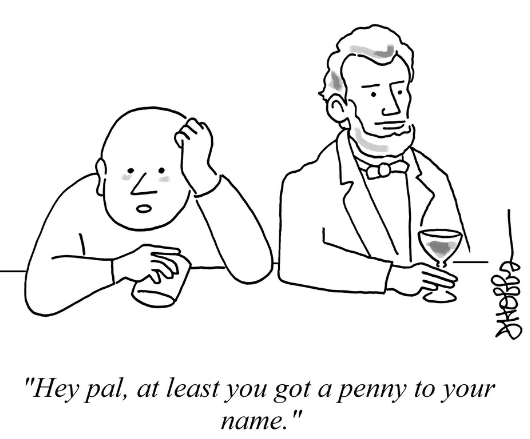
Throughout history, many leaders have demonstrated high levels of Emotional Intelligence, both in everyday interactions and moments of extraordinary challenge. Among these notable leaders was Abraham Lincoln.
Abraham Lincoln demonstrated many of the qualities associated with Emotional Intelligence. Not only was he able to remain calm and collected under pressure, but he was also mindful of the needs and concerns of others. He was also a proficient communicator, skilled in both writing and public speaking, and he was able to build strong relationships with people from all walks of life.
Lincoln's EQ was particularly evident in his leadership during the American Civil War, as he navigated conflict, managed competing perspectives, and communicated with clarity during a period of deep national division.
Entrepreneur and co-founder of Virgin, Richard Branson, is another leader known for his high Emotional Intelligence. Branson has long recognized the value of EQ and has said, “Being emotionally intelligent is more important in every aspect of life, and this includes business. Being a good listener, finding empathy, understanding emotions, communicating effectively, treating people well, and bringing out the best in others is critical to success. It also helps you build a business that truly understands people and solves their problems, creating a happier and healthier team.” He also added, “If I had let my IQ and my school grades determine my success, I certainly wouldn’t be where I am today.”
“Let’s not forget that the little emotions are the great captains of our lives and we obey them without knowing it.”
A high level of EQ can strengthen several areas of leadership, including:
Decision-Making: EQ helps leaders manage emotions and stay calm under pressure, leading to better decisions. For example, noticing frustration during a meeting and pausing before responding can create space for better judgment.
Conflict Resolution: High EQ helps leaders understand different perspectives and find solutions that move people toward resolution. Listening to both sides of a disagreement can help the team find a workable path forward.
Building Trust: Leaders with EQ are seen as authentic and trustworthy, helping to build strong relationships with their teams. Following through, communicating honestly, addressing concerns directly, and staying consistent all help build trust over time.
Adaptability: EQ helps leaders navigate change and support their teams through transitions. Recognizing when a plan is not working can help the team adjust without creating unnecessary confusion.
Employee Engagement: When leaders show empathy and understanding, employees feel more valued and are more motivated to contribute. Noticing when someone seems discouraged and taking time to understand what support may be needed can help that person stay connected to the work.
Innovation and Creativity: EQ supports an open environment where team members feel safe to share ideas and take risks. Creating enough trust for people to speak up, ask questions, share ideas, and test new approaches can strengthen creativity across the team.
Together, these examples show how emotional intelligence helps leaders serve others through everyday choices and interactions.


Developing Emotional Intelligence takes consistent effort. Like any skill, EQ improves through practice and application. The following best practices can help strengthen your ability to understand emotions, manage responses, and lead others effectively:
Cultivate Emotional Awareness: The first step in developing your EQ is becoming more aware of your emotions. Pay attention to how you feel throughout the day and identify what triggers those emotions.
Learn to Manage Your Emotions: Once you are aware of your emotions, focus on managing them effectively. Find healthy ways to handle stress and anger before they affect your judgment or communication. Leaders who manage their emotions well are better able to remain composed and make thoughtful decisions, even under pressure.
Practice Empathy: Work on understanding and sharing the feelings of others. Consider what the situation may look like from their perspective. Empathy helps leaders recognize what others may need before deciding how to respond, keeping servant leadership centered on the people they lead.
Build Strong Relationships: Strong relationships are built through trust, consistency, and mutual respect. Be genuine and willing to listen to others. Over time, those everyday interactions create stronger connections and make collaboration easier.
Be Mindful of Your Communication: Your tone, body language, and word choice influence how others perceive and respond to you. Clear communication is a form of respect because it reduces confusion and helps others understand what is expected. EQ helps leaders adjust their communication to fit the needs of the situation and the people involved.

Emotional Intelligence develops through practice, not theory. The more you apply it in real situations, the stronger it becomes. Leaders who build EQ are better able to respond thoughtfully and lead with the needs of others in mind.
As you continue strengthening your EQ, pay attention to the moments that test your patience or perspective. These are the situations that reveal how self-aware you really are. In the next session, we’ll take a closer look at the four core components of Emotional Intelligence and explore practical ways to build each one into your leadership approach.
Reflection Questions
When do you find it hardest to stay aware of your emotions, and what usually triggers that reaction?
How does your emotional response influence the way you communicate or make decisions?
What small, consistent actions could help you strengthen your emotional awareness each day?

Elevate your understanding of EQ by taking flight with the following resources. Use this opportunity to navigate, uncover, and expand the horizons of your leadership influence.
What Makes a Leader?
Daniel Goleman
Emotionally Intelligent People Embrace These 10 Simple Rules
Justin Bariso