Innovative Leadership
Humans are curious. We are creative. We are also resilient, so when faced with difficulty, we often find ways to rise to the moment. From reaching the moon in the 1960s to exploring the possibilities of quantum computing today, human ingenuity has helped drive progress.
Innovation in leadership is not limited to major breakthroughs. Leaders practice innovation when they ask better questions, test ideas, improve processes, and help turn useful ideas into action. Innovative leaders think ahead by creating room for thoughtful change before problems become urgent.
Leading this way requires curiosity, courage, and a willingness to make room for ideas that are still developing. When leaders support creative thinking and thoughtful risk-taking, innovation becomes part of how people solve problems and respond to change.

Self-Assessment:
Innovative Leadership
Please take a few moments to contemplate the following self-reflection questions. Where can you identify opportunities for personal growth in your leadership?
Do I regularly seek out new ideas, technologies, or methods, even if they’re outside my usual field or comfort zone?
When faced with a challenge, do I explore multiple solutions before settling on one
Do I actively encourage creativity and experimentation in myself and others?
How often do I implement new approaches or tools to improve how I work or lead?
Do I regularly dedicate time for creative thinking or brainstorming?
When someone brings a new idea, do I respond with curiosity rather than criticism?
Am I open to feedback that challenges my thinking or suggests a different direction?
Do I collaborate with people from different backgrounds, roles, or areas of expertise to inspire fresh ideas?
Remember, this self-assessment is just a starting point for understanding your knowledge of Innovative Leadership as a leader. It's essential to reflect on your responses and actively work on areas where improvement is needed. Additionally, seeking feedback from others and working with your ECFL Leadership Coach can provide valuable insights into your strengths and weaknesses.


The right innovation at the right time can change the course of human history. The Gutenberg press, penicillin, electricity, and the mass-produced automobile have all revolutionized our lives. These innovations, along with many others, came from individuals who pushed the boundaries of knowledge and creativity.
While we commonly associate innovators with medical or scientific breakthroughs, innovators can be found in nearly every field. You’ll find innovators on the sales floor, in the classroom, on the production line, in the marketing department, in customer service, and in operations. That is because innovators are defined by their ability to challenge the known, expand the limits of creativity, and bring something new or improved into the world.
So, what drives an innovator? How do they engage with others? Here are a few common traits:
They can imagine what does not exist yet and see how to improve what already does.
They are open to, and often advocate for, change.
They are highly competent in their area of expertise, yet curious and confident exploring ideas beyond it.
They create and leverage social networks instinctively, using them to advance ideas and influence progress.
They are effective and persuasive communicators.
They have an entrepreneurial mindset.
They understand that real innovation requires bringing ideas to market, not just generating them.
They are self-assured and resilient.
“Finding out that you are wrong is even more valuable than being right, because you are learning.”
With these traits and skills, innovators often emerge as natural leaders. They rarely need close supervision, but they do benefit from a different approach to leadership. They need support that’s personalized, responsive, and designed to unlock their potential.
Great leaders of innovators focus less on control and more on clearing the path by removing roadblocks and connecting innovators to the right resources. By understanding what makes innovators unique and giving them the space and support to thrive, leaders become the spark for breakthroughs that can transform teams, industries, and even history. If innovation drives progress, then leadership is the fuel that sustains it.


Here are three companies that have made innovation part of their systems and culture:
Google is known for its technological leadership and the organizational culture that supports it. A key part of Google’s innovation history is its “20% time” approach, which encouraged employees to dedicate part of their workweek to passion projects, even if those projects fall outside their job description. This initiative has been associated with some of Google’s successful products, including Gmail and Google News.
Google promotes experimentation and calculated risk-taking, creating an environment that encourages creativity. This approach has helped the company remain a leader in a fast-moving technology sector.
Haier
Haier, the Chinese multinational known for consumer electronics and home appliances, transformed its organization through the Rendanheyi model. This structure decentralizes decision-making by treating every employee as an entrepreneur. Each unit operates like a small business, accountable for its own profit and loss.
This model gives Haier the flexibility to respond quickly to market demands while increasing employee engagement. By pushing decision-making closer to the front lines, Haier evolved from a traditional manufacturer into a global leader in smart home and Internet of Things technologies. Its bold organizational design has become a reference point for companies looking to stay competitive in fast-changing industries.
Amazon
Amazon’s commitment to customer-focused innovation supports its business strategy. Through services like Amazon Web Services (AWS) and Amazon Prime, the company has explored new ways to serve its customers.
AWS has reshaped cloud computing by offering scalable, cost-effective solutions for businesses, while Amazon Prime has raised expectations around convenience and content for consumers. What sets Amazon apart is its organizational mindset: a willingness to experiment, embrace failure as a learning opportunity, and make bold bets on the future. This agile, iterative approach has allowed the company to expand into new markets while maintaining its leadership in e-commerce and technology.
“The best way to predict the future is to invent it.”
These companies are evidence that, while innovation may begin with good ideas, it depends on leaders creating the conditions that make invention and experimentation possible. Curiosity also plays a key role in this process. When leaders ask better questions, they help people challenge assumptions, consider different perspectives, and notice possibilities they would have otherwise missed.
How well does your organization support innovation? Take this Organizational Innovation assessment to find out.

Innovation can feel like an abstract concept, but leaders practice it when they make room for new ideas, question familiar processes, and allow thoughtful experimentation. The following best practices offer practical ways to create room for thoughtful experimentation and help useful ideas become action:
Be Clear About Change: Broad, company-wide calls for innovation rarely produce meaningful results. When leaders issue general directives without defining the purpose behind them, teams lose focus and energy. Clarify what kind of impact you are pursuing and why it matters. Frame the opportunity in terms that people can understand and connect to.
Create a Structure for Unstructured Time: Innovation requires employees to think beyond their immediate demands. When every conversation centers on short-term goals, new ideas do not have room to develop. Leaders who value innovation make deliberate space for exploration, even under pressure. Providing protected time signals to your team that forward-thinking work is expected.
Step In, Then Step Back: Innovation needs guidance, but it can suffocate under excessive control. Leaders should clarify expectations and provide support, then allow teams room to explore and test ideas. When leaders over-direct the process, people become cautious. When leaders provide direction and then step back, ownership and involvement increase.
Encourage Smart Risk-Taking: Innovation involves uncertainty, and uncertainty can make people uncomfortable. Leaders influence whether risk feels reckless or thoughtful. Be clear about what kinds of experimentation make sense and where the limits are. When people understand what is appropriate and what crosses the line, they are more willing to try something new.
Turn Ideas Into Action: When ideas are discussed but never tested, people may stop believing that innovation is taken seriously. Leaders should decide which ideas deserve exploration and take visible steps to move them forward. Even small trials demonstrate that creative thinking leads somewhere. Without these actions, enthusiasm for new projects can quickly fade.
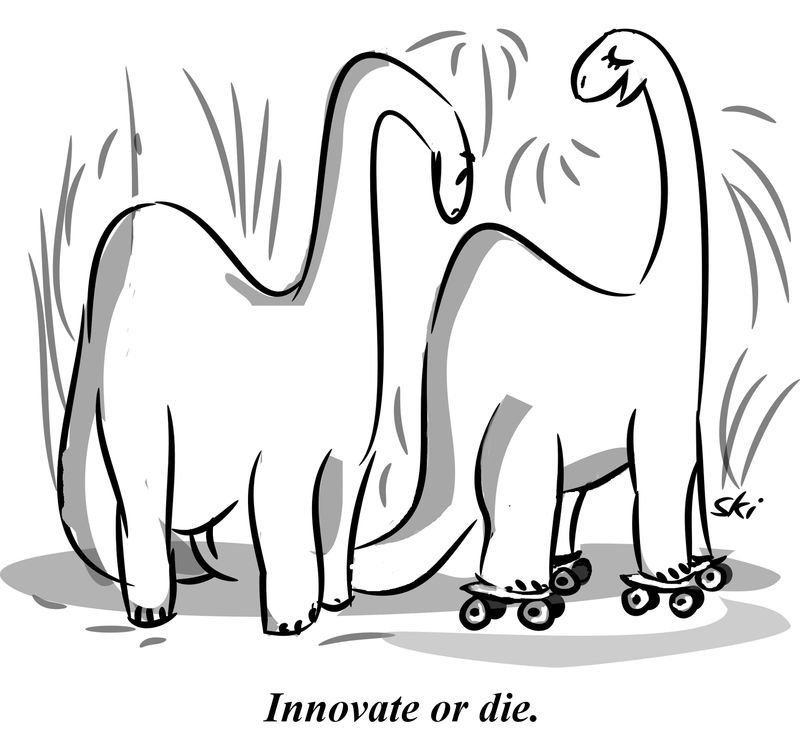
Creativity, psychological safety, and innovation are shaped by the choices leaders make every day. When people feel safe sharing ideas and asking questions, they are more willing to take thoughtful risks that can lead to new ideas and better approaches to problems.
This week, pay attention to how you respond to challenges. Are you allowing yourself to think creatively, and are you giving others that same opportunity? Choose one thing you can change to help your team feel more comfortable sharing ideas and trying new approaches.

Elevate your understanding of Innovative Leadership by taking flight with the following resources. Use this opportunity to navigate, uncover, and expand the horizons of your leadership influence.
The Critical Link Between Psychological Safety And Innovation