More Than It Seems
Synergy describes what happens when a group’s work adds up to something different from, and better than, what the individuals could have produced on their own. People still have their own responsibilities, but they share ownership for the outcome and pay attention to how their efforts fit together.
In many roles today, no single person has all the information or all the skills needed to move the work forward. Projects stretch across functions, locations, and schedules. When teams learn to combine their perspectives, they respond more effectively to change, generate stronger ideas, and recover more quickly when plans shift.
This session will look at that kind of collaboration in a practical way. You will consider what conditions support synergy, how it differs from basic coordination, and how you can help your team use its strengths together with more intention.
Self-Assessment:
More Than It Seems
Please take a few moments to contemplate the following self-reflection questions. Where can you identify opportunities for personal growth in your leadership?
Do I actively seek insights from other leaders to align our work with the organization’s long-term goals?
How adaptable am I when adjusting my approach based on perspectives shared by other leaders?
Do I regularly share my expertise to support shared problem-solving and innovation?
How often do I identify and put to use the diverse strengths and skills of my colleagues?
Am I helping the team move beyond simple task coordination toward real collaboration?
Do I invite constructive feedback and differing opinions from my team and peers to enhance our effectiveness?
How effectively do I communicate with leaders from other departments to keep communication open and clear?
Am I committed to building relationships with my peers that are grounded in trust and honesty?
Remember, this self-assessment is just a starting point for understanding your knowledge of Synergy as a leader. It's essential to reflect on your responses and actively work on areas where improvement is needed. Additionally, seeking feedback from others and working with your ECFL Leadership Coach can provide valuable insights into your strengths and weaknesses.

Synergistic teams pay attention to how their work fits together. People understand the goal, see how their roles connect, and adjust their efforts with that in mind. Differences in skills and perspective become a strength rather than a barrier. Because team members share information and respond to one another, they handle challenges more easily and often arrive at solutions they would not have found on their own.
Key elements that drive synergy include:
Trust, Mutual Respect, and Open Communication: Trust, respect, and clear communication allow team members to feel confident sharing ideas and supporting one another. When people value each other's skills and intentions and talk openly about the work, collaboration becomes more effective.
Complementary Skill Sets: Synergy reaches its full potential when each team member’s strengths complement others. Diverse skills lead to new and better solutions, with tasks assigned based on individual abilities for greater efficiency.
Shared Goals and Direction: A common direction unifies the team, aligning everyone toward shared objectives. This unity enhances commitment and makes collaboration feel natural.
“Synergy is everywhere in nature. If you plant two plants close together, the roots commingle and improve the quality of the soil so that both plants will grow better than if they were separated. If you put two pieces of wood together, they will hold much more than the total weight held by each separately. The whole is greater than the sum of its parts. One plus one equals three or more.”
The absence of synergy can have significant consequences. Teams lacking synergy often encounter issues that hinder productivity and morale:
Limited New Ideas and Missed Opportunities: Without cross-functional collaboration, teams miss out on diverse perspectives, which limits creativity, innovation, and growth.
Lower Morale and More Conflict: A lack of connection among team members can reduce motivation and enthusiasm. Poor communication leads to misunderstandings and unnecessary conflict.
Slower, Fragmented Work: Uncoordinated efforts make problem-solving slower and less effective. Efforts can become duplicated or poorly coordinated, leading to wasted time and resources.
Misaligned Goals: Without clear alignment, team members may pursue conflicting objectives, resulting in fragmented efforts rather than a unified direction.
For example, in a non-synergistic team, the marketing, sales, and product development departments might work in isolation. Marketing might create campaigns without understanding product limitations, sales could set unrealistic targets without product support, and product development might miss market needs. This disjointed approach can result in ineffective strategies, unmet goals, and a lack of coordinated growth, ultimately undermining the organization's success.
How can you help prevent outcomes like these and promote a more synergistic environment within your team?

The Synergy Strikes Back
To demonstrate the impact of synergy, consider two groups of astronaut trainees, Team Solo and Team Skywalker, tasked with developing a life-support system prototype. The challenge was complex, involving key components such as oxygen supply, temperature control, and health monitoring, each requiring specialized expertise.
Team Solo used a traditional teamwork approach. Each specialist focused on their area: the engineers handled system infrastructure, the biologists managed oxygen production, and the health team monitored crew well-being. While progress was steady, it remained segmented, and when unexpected issues arose, they struggled to integrate last-minute changes into a unified system.
Team Skywalker, however, took a different approach by embracing synergy from the start. They began with open-ended discussions, allowing each member to share insights from their area of expertise. Engineers learned from the biologists that oxygen generation could impact cooling, while the health team pointed out that certain health metrics could optimize machine performance. This exchange of knowledge led to cross-disciplinary brainstorming sessions, sparking collaborative problem-solving that transcended individual contributions.
Through their combined efforts, Team Skywalker’s prototype not only met all functional requirements but also enhanced energy efficiency, adaptability, and resilience. By integrating insights across disciplines, they created a design that adapted more seamlessly to potential challenges and used resources more effectively than Team Solo’s approach.
Ultimately, Team Skywalker’s success illustrated synergy in action, where collaborative cooperation yields innovative and resilient solutions. Their experience underscores the lesson’s purpose: when teams bring together diverse expertise in a unified effort, they achieve results far beyond the limits of traditional teamwork, showcasing outcomes that are truly greater than the sum of individual parts.
Ask Yourself:
How can I encourage open-ended discussions to allow for cross-functional insights and collaborative problem-solving?
Reflect on a recent project where you faced challenges. How might a synergistic approach, involving shared expertise and brainstorming, have led to a more resilient and efficient solution?
“Synergy—the bonus that is achieved when things work together harmoniously.”

Synergy grows out of the choices leaders make in everyday work. The practices below offer concrete ways to support that kind of collaboration on your team.
Best Practices for Building Synergy:
Clarify the Mission: Make sure everyone understands why the team exists, what success looks like, and how their work connects to the bigger picture.
Create a shared mission or goal statement
Revisit goals regularly and adjust as needed
Explain how each person’s role contributes to success
Define Synergy Clearly: Help the team understand how synergy differs from basic teamwork. Knowing that synergy means combining strengths to go further together helps people shift their mindset toward shared success.
Use relatable comparisons (e.g., relay race vs. orchestra)
Ask team members to describe times when synergy worked well
Reinforce the idea that synergy produces results no one could reach alone
Celebrate Collective Wins: When success comes from group effort, name it. Celebrating synergy builds pride and encourages people to keep contributing to each other’s success.
Acknowledge how different roles and inputs led to the result
Call out collaboration in team meetings
Encourage peer recognition for support and teamwork
Encourage Positive Reinforcement and Learn from Experiences: Synergy grows in a team culture that recognizes progress and learns from setbacks. Celebrating wins builds motivation, and treating mistakes as chances to grow helps the team get better together.
Call out moments when teamwork led to success
Highlight both effort and outcome when giving praise
After challenges, ask the team what they learned and what could be improved
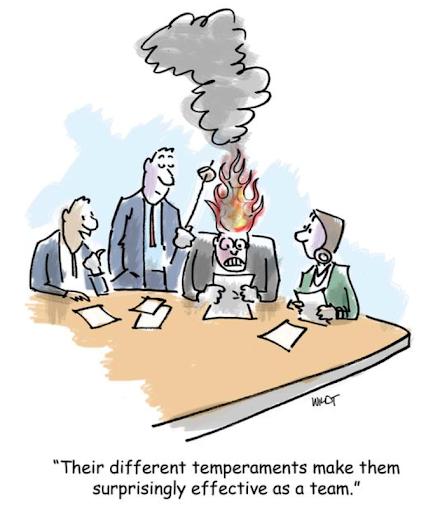
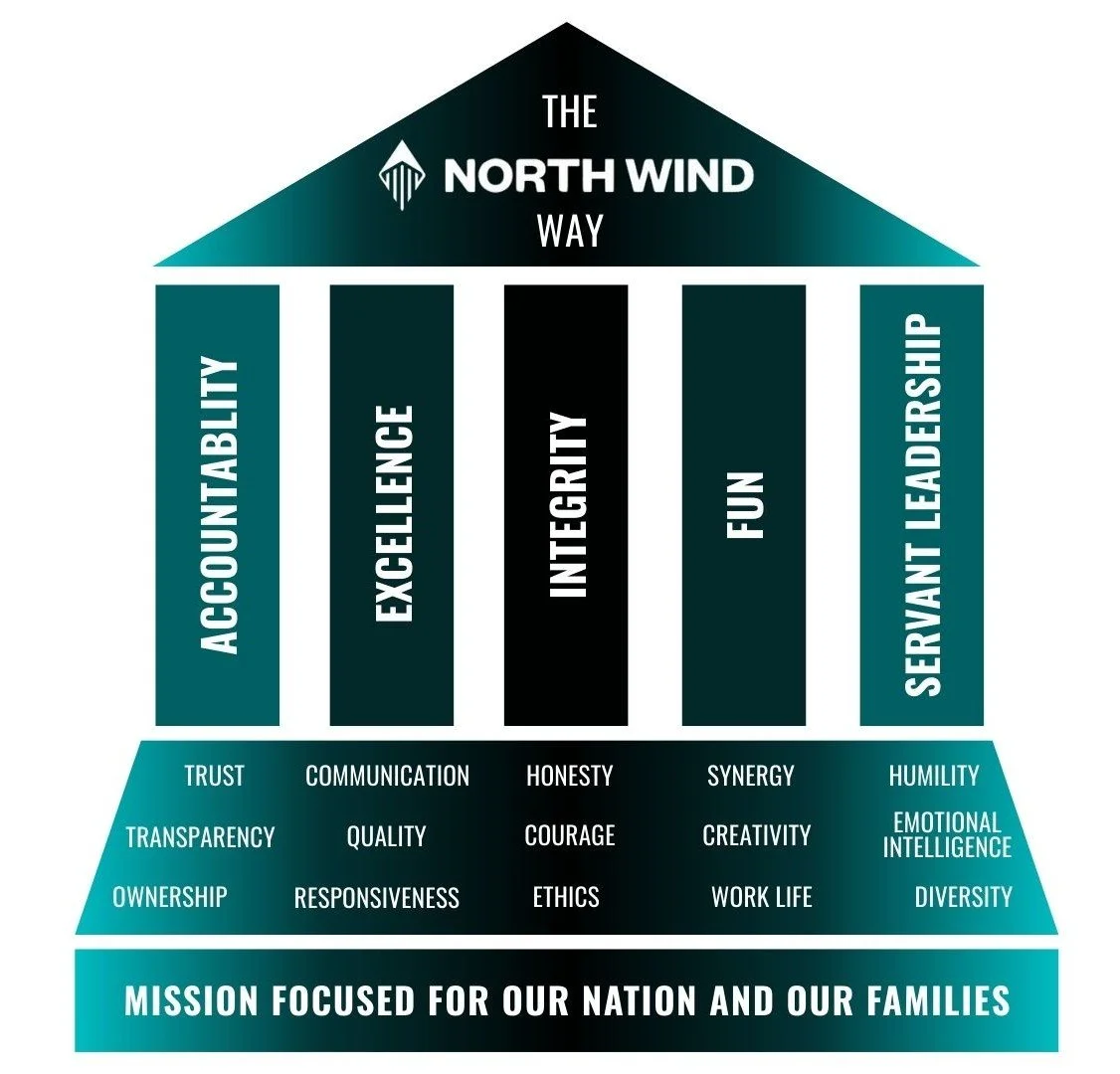
Fun grows when people feel involved in the work, connected, and proud of what they accomplish together. This is where synergy fits in. When people’s strengths line up, ideas build on each other, and problems are solved as a group, work feels more engaging.
As you think about Fun in your own role, look for ways to use synergy to support it. Invite people into conversations about decisions that affect the work, design projects that call for shared effort instead of isolated tasks, and acknowledge how people contributed to shared results. Over time, choices like these help Fun and Syngery become part of the normal workday.
Reflection Questions
Where do you see signs of synergy on your team right now, and what helped those moments happen?
Where do you notice people working in parallel instead of together, and what is one step you could take to connect that work?
Which best practice from this section would make the biggest difference if you applied it consistently over the next month?

Elevate your understanding of More Than It Seems by taking flight with the following resources. Use this opportunity to navigate, uncover, and expand the horizons of your leadership influence.
Synergy: Powering Success Through Strategic Collaboration
Team Synergy & Group Power (fun short video)
The Nature of Synergy (short video)