
Engaged Leadership
Engagement isn’t always automatic, even when we genuinely care about our roles. Responsibilities can easily become routine when we get busy and lose sight of how our effort connects to the larger operation.
Most organizations want engaged employees, but engagement is difficult to build in others when it’s missing from our own leadership. Before we can ask others to take ownership, we need to examine how engaged we are in our own roles and responsibilities. This self-reflection is especially important for middle managers, who often feel the pressure of leading people while also responding to direction from above. Examining our own leadership gives us a starting point for understanding how to strengthen engagement in the people we lead.

Self-Assessment:
Engaged Leadership
Please take a few moments to reflect on the following questions. Where can you identify opportunities for growth in your leadership?
Do I understand how my work contributes to the larger success of the organization?
Am I personally engaged in the responsibilities that I expect others to take seriously?
When I approach my work, do I follow through in a way that reflects care for the outcome?
Do I stay curious about how my work affects the people and processes around me?
When expectations are unclear, do I ask for clarification or help provide it when appropriate?
Do I notice when my own interest, effort, or follow-through begins to slacken?
Do I pay attention when others participate less or show less initiative than usual?
Am I making use of opportunities to ask questions, offer ideas, and raise concerns when needed?
This self-assessment is a starting point for understanding Engagement as a leader. Reflect on your responses, identify areas for growth, and use feedback from others and your ECFL Leadership Coach to guide your development.


We're often asked to support engagement in our teams, but our own engagement and investment often get pushed aside when daily responsibilities demand our attention. Before we look outward, we first need to examine the conditions that help us stay engaged in our own roles.
Gallup's Q12 Employee Engagement Framework gives us a practical way to do this. Gallup devised this twelve-question survey, and the results have been shown to predict team performance. These twelve questions focus on the conditions that help people stay connected to their work, beginning with basic expectations and support before moving toward stronger contribution and growth. Although the Q12 is often used to understand engagement across teams, it can also help leaders reflect on what they need in order to stay engaged and connected to the people they lead.
“Act as if what you do makes a difference. It does.”
The 12 Elements of Great Management
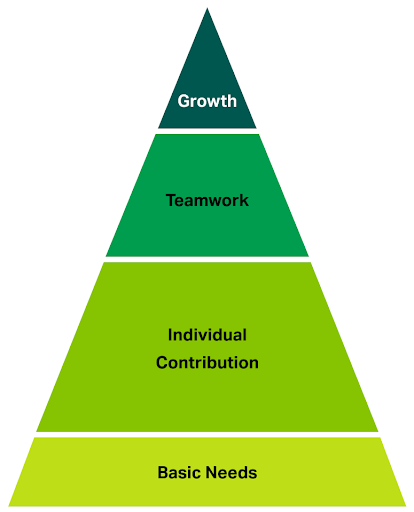
The Q12 measures four levels of employee needs, covering basic needs to personal growth. Each level builds on the last, giving managers a road map for motivating their teams and creating the conditions for consistent, strong performance.
Growth
1. This last year, I have had opportunities at work to learn and grow.
2. In the last six months, someone at work has talked to me about my progress.
Teamwork
3. I have a best friend at work.
4. My associates or fellow employees are committed to doing quality work.
5. The mission or purpose of my company makes me feel my job is important.
6. At work, my opinions seem to count.
Individual Contribution
7. There is someone at work who encourages my development.
8. My supervisor, or someone at work, seems to care about me as a person.
9. In the last seven days, I have received recognition or praise for doing good work.
10. At work, I have the opportunity to do what I do best every day.
Basic Needs
11. I have the materials and equipment I need to do my work right.
12. I know what is expected of me at work.
The Q12 also points to several factors that help engagement grow:
Purpose: People are more likely to stay engaged when they understand how their work connects to something meaningful.
Development: Engagement grows when people have opportunities to learn, improve, and prepare for future responsibilities.
Caring Managers: People are more likely to stay connected when they feel supported by a manager who knows them and cares about their success.
Ongoing Conversations: Regular feedback and coaching help people understand where they stand and how they can continue to grow.
Focus on Strengths: Engagement is supported when people have opportunities to use what they do well in meaningful ways.
This report helps us to look at engagement as something we can observe and support, rather than something we just hope is present. For leaders, this reflection begins with our own engagement before moving outward to the people we guide. From there, we can begin connecting the framework to the choices we make each day.

Engagement is easier to examine when we look at how it shows up in daily leadership. Engaged leaders go a step further than just encouraging participation; they model the connections, investment, curiosity, and follow-through they want to see in the people they lead.
Engaged leaders:
Know themselves honestly, including their strengths, blind spots, and impact on the people around them.
Know the people they lead and connect individual interests to the goals of the organization.
Stay present and attentive in both individual conversations and group settings.
Invest in the development of their people because growth often increases ownership and strengthens engagement in return.
Create environments where people feel safe enough to think beyond the immediate task.
Lead with both EQ and IQ, understanding that emotional connection often opens the door to intellectual buy-in.
Build trust in both directions, since moving from compliance to commitment depends on this relationship.
“Everyone wants to be appreciated. So if you appreciate someone, don’t keep it a secret.”
Leadership engagement can be easy to overestimate because activity often looks like involvement. A leader may attend meetings, respond to messages, and keep work moving while still missing the signals that show how people are experiencing the work. Engaged leaders stay close enough to understand what is happening and disciplined enough to act on what they learn.
Engaged and disengaged leadership often show up in visible patterns:
Engaged
Leaders know individual team members' career goals
Feedback flows in both directions and is acted upon
Team meetings include strategy context
Recognition is specific, timely, and public
Leaders own the survey action plan personally
Disengaged
One-on-one meetings are frequently canceled or limited to status updates
Managers delegate survey follow-ups to HR
Recognition is generic or absent
Attrition is treated as a recruiting problem
Leaders can't name the top three concerns from last cycle
These patterns help leaders recognize when completed work may be hiding reduced initiative or ownership. People may still meet basic expectations while contributing less than they once did. Engaged leaders pay attention to these changes and respond before distance builds into disengagement.


Here are some best practices that can help us support engagement in our everyday leadership.
Notice Personal Disconnect: We need to recognize when our own engagement may be waning. This may show up as avoiding needed conversations, delaying decisions, losing curiosity, becoming impatient, or relying on routine communication instead of meaningful involvement. These signs are easy to justify when the workload is heavy, but they can affect how present and responsive we are with the people we lead. Noticing this disconnection gives us the chance to respond before it begins shaping our leadership.
Protect Leadership Capacity: Our ability to lead well affects our judgment, patience, and responsiveness. Protecting that capacity may require clearer priorities, better delegation, fewer unnecessary commitments, or honest conversations about workload before overload begins to affect how we lead. When leaders make room to lead well, they are better able to listen carefully, make thoughtful decisions, and give people the attention their work deserves.
Communicate with Clarity: Clear communication helps people understand what is expected, where the work stands, and how to ask for clarification when they need it. Unclear or inconsistent information can create frustration and mistakes, especially for people who are trying to do their roles well. Leaders support engagement by making information easier to understand and by creating room for questions before confusion turns into disengagement.
Define Expectations: Expectations are one of the most important things leaders communicate. People can’t take ownership of work they don’t clearly understand. Clear expectations help people know what they own, where their effort belongs, and how their role connects to the larger operation. When expectations are specific and consistent, people can focus less on guessing and more on contributing with confidence.
Stay Engaged with Your Team: Engagement requires regular communication about expectations, progress, workload, and support. Scheduled check-ins have value, but the stronger habit is consistent dialogue that helps people understand where the work stands and what they need from us. These conversations also help leaders notice when someone’s participation or follow-through begins to change.
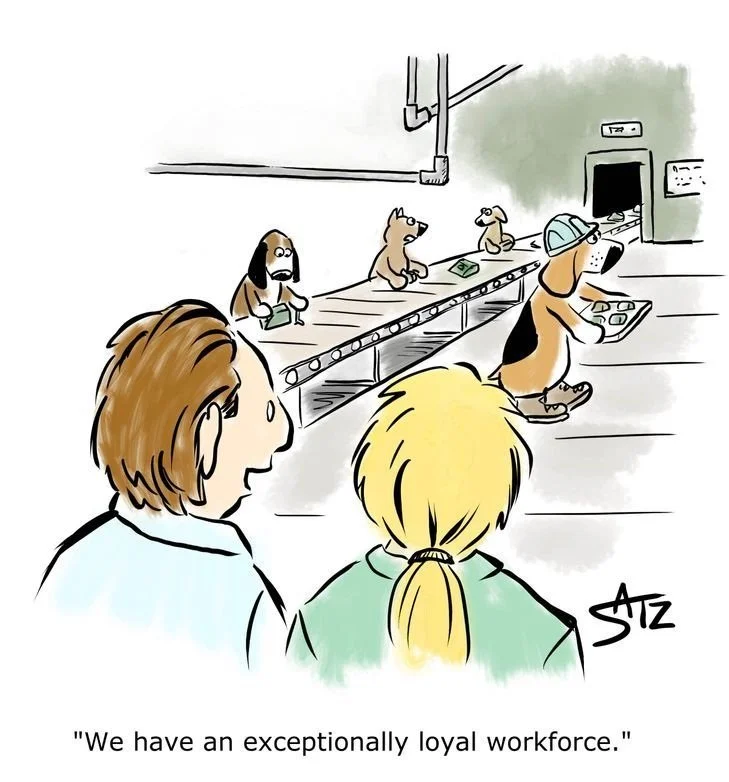
Stress, deadlines, large workloads, and everyday demands can make it easy for us as leaders to start checking out without realizing it. Sometimes, we need rest. Other times, we need to recognize when our attention and investment have started to fade.
This week, pay attention to the moments when we feel ourselves pulling back. Slow down and ask what may be affecting our engagement. Do we need clearer priorities, better support, a stronger connection to the purpose of the work, or time to reset? Engaged leadership begins with self-awareness. When we understand what helps us stay connected, we're better prepared to support engagement in those we lead.

Strengthen your understanding of Engaged Leadership by sticking with the following resources. Use this opportunity to note new insights and adhere to practices that will enhance your leadership journey.
What Disengagement Is Really Costing Your Organization