Creating a Courage Culture
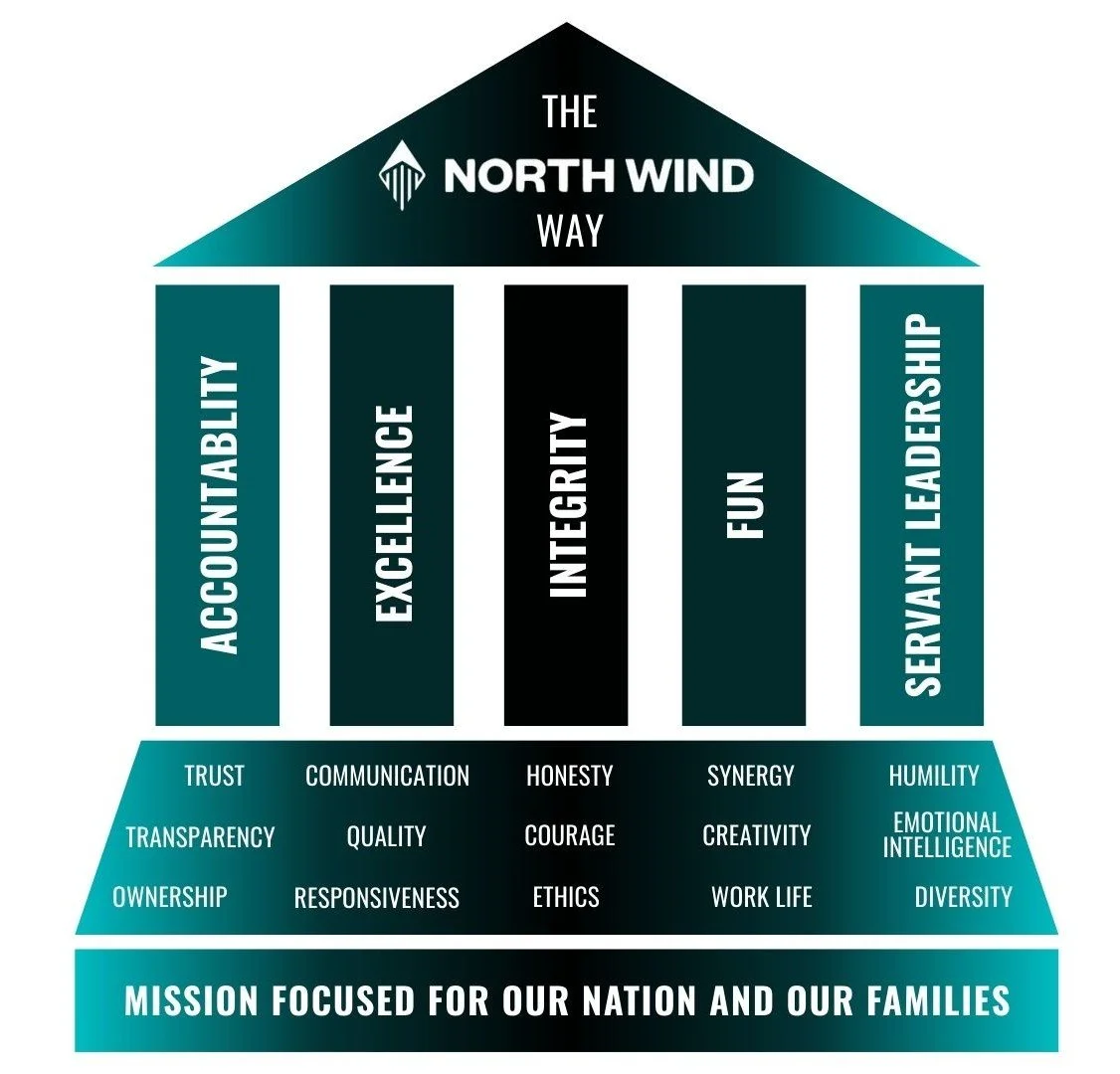
We can act courageously as leaders, but leadership also requires us to create the kind of culture where others feel safe doing the same. Growth depends on a workplace where honesty, hard questions, and admitted mistakes are handled well. Everyone learns how safe it is to do those things by watching what happens when someone else goes first. When honesty is met with fairness and a genuine response, more honesty follows. This is how we create a culture of courage.

Self-Assessment:
Creating a Courage Culture
Please take a few moments to contemplate the following self-reflection questions. Where can you identify opportunities for personal growth in your leadership?
Do I have a clear definition of what courage means to me as a leader?
Do I regularly demonstrate courage in my leadership?
Do I model vulnerability by admitting mistakes and seeking feedback? If not, what holds me back?
Am I open to difficult conversations, or do I prefer to avoid conflict?
Do I handle fear well when uncertainty or risk is involved, both in myself and in my team?
Do my team members feel safe speaking up with ideas, concerns, questions, or disagreements?
Have I created an environment where failure is seen as a learning opportunity rather than a liability?
Am I willing to have difficult but necessary conversations with employees, peers, and superiors?
Remember, this self-assessment is just a starting point for understanding your knowledge of Creating a Courage Culture as a leader. It's essential to reflect on your responses and actively work on areas where improvement is needed. Additionally, seeking feedback from others and working with your ECFL Leadership Coach can provide valuable insights into your strengths and weaknesses.


Courage is a habit, and like all habits, it can be learned. Our confidence in ourselves grows through experience and exposure because repeated contact with something difficult makes it feel more familiar and easier to face. The “mere exposure” effect helps explain why people grow more capable with practice. As Nicole Geller, CEO of GCS, shared:
“Just because I see something in a person doesn’t mean they see it in themselves. Sometimes as a leader we have to push people a little to get them out of their comfort zone because we know that they have what it takes to do more but they just don’t know it themselves. Most of the time they are far more successful than they think they will be. But whether they are or they aren’t, it’s important to help them to see and celebrate what they’ve accomplished.”
Encouraging people to step outside their comfort zone grows their confidence. Rewarding courageous behavior does the same, particularly when it does not lead to the desired outcome. Doing so sends a clear message that smart risks matter to long-term success, even when they do not pay off in the short run.
“Speaking up is only the first step. The true test is how leaders respond when people actually do speak up.”
Building a culture of courage starts with individual leadership. Leaders must set an example by making bold, ethical decisions, encouraging open conversations, and ensuring that the people around them feel supported.
A few simple habits help reinforce that culture:
Applaud effort, not just the final outcome
After someone raises a concern or makes a point, follow up so they know what happened next
Make room for learning after a setback
Show appreciation when someone takes an honest risk

Trust is the foundation from which a culture of courage is built, and as leaders, we help establish it by making sure those around us feel heard, valued, and taken seriously when they bring something forward. Without that foundation, people become more guarded and less willing to raise what needs attention. Recent research from McKinsey points to how common that problem is: 53 percent of senior leaders reported burnout, and only 25 percent said their leadership culture feels inspiring. Numbers like those suggest many workplaces are operating without the kind of support that helps courage grow.
McKinsey’s article also points to a less obvious problem inside workplace culture. Resentment, disappointment, broken agreements, and even appreciation can stay unspoken long enough to affect the way people work together. Those withheld truths continue shaping the culture, influencing how people communicate, how they collaborate, and how much trust they bring into the work.
Other findings in the article reinforce the same point:
Teams with high psychological safety are two to three times more likely to generate breakthrough ideas.
Transformations are 5.3 times more likely to succeed when leaders model behavioral change.
Unresolved tensions can reduce collaborative performance by 30 percent.
Teams with high relational trust outperform peers by 50 percent over time.
“In any moment of decision, the best thing you can do is the right thing. The worst thing you can do is nothing.”
Healthy dissent helps teams address potentially problematic ideas before those ideas impact decisions. Healthy conflict supports a similar goal because it gives people room to question assumptions, point out problems, and offer opposing views while there is still time to improve the outcome. Teams grow stronger when concerns can be raised directly and discussed with respect. When disagreement is handled well, people become more willing to speak up when something needs attention. It’s proof that challenges can help us grow as leaders.
Reflection Questions:
What concerns, disagreements, or frustrations are more likely to be discussed privately than openly in our workplace?
When someone pushes back or raises a concern, does the way I respond make it easier or harder for them to do it again?

Burnout, weak trust, and unresolved tension make honesty harder to sustain, which is why a culture of courage has to be built through clear, repeated habits in the way we lead and respond. Here are some Best Practices to help:
Create a Personal Vision: Courage does not look the same in every role. A leader who manages others may need it for direct conversations and accountability, while someone in a more active role may need it for quick judgment and visible action. When you define what courage looks like in your own role and responsibilities, it becomes easier to recognize where it is needed and how you want to show it.
Practice Self-Leadership: Holding others accountable starts with holding ourselves accountable. When we own mistakes and ask for input, we give others an example they can trust and a clearer picture of what integrity looks like in practice.
Ask the Right Questions: Questions open the door to honesty. They show that we are willing to listen, learn, and hear something other than our own first reaction, building trust and making more candid conversations possible down the road.
Encourage Smart Risk-Taking: Smart risk-taking means acting with thought and good judgment, not acting carelessly. When people know a thoughtful effort will be taken seriously, they become more willing to contribute and try again after an imperfect result.
Handle Concerns with Care: When someone brings a concern forward, they need to know they will be met with empathy and respect. Listen closely and respond in a way that shows the concern will be taken seriously and given real attention.
Lead Consistently: People pay attention to patterns. When our standards change from one moment to the next, or our reactions depend on mood, timing, or who brought the issue forward, trust weakens. Consistency means people can understand what matters, what kind of response to expect, and how concerns or mistakes will be handled.

Courage in leadership extends beyond the choices we make for ourselves. Leadership also asks us to build a culture where people can speak honestly and trust the response they receive. Integrity gives that culture its foundation because people pay close attention to whether our actions match our standards. This week, notice one moment when someone brings you a question, a concern, or a mistake, and respond in a way that makes it easier for them to be honest with you again the next time.

Elevate your understanding of Creating a Courage Culture by taking flight with the following resources. Use this opportunity to navigate, uncover, and expand the horizons of your leadership influence.
Does Your Organization Have a Courage-Ready Culture?
(McKinsey) Courageous Conversations: How to Lead With Heart